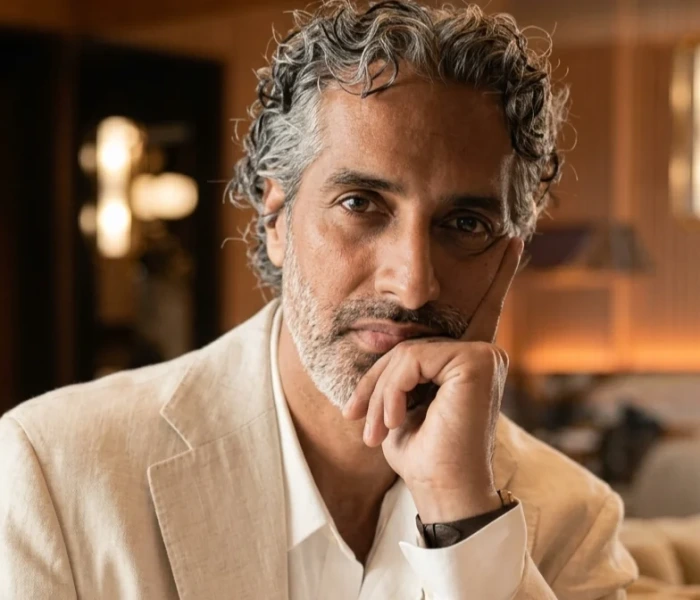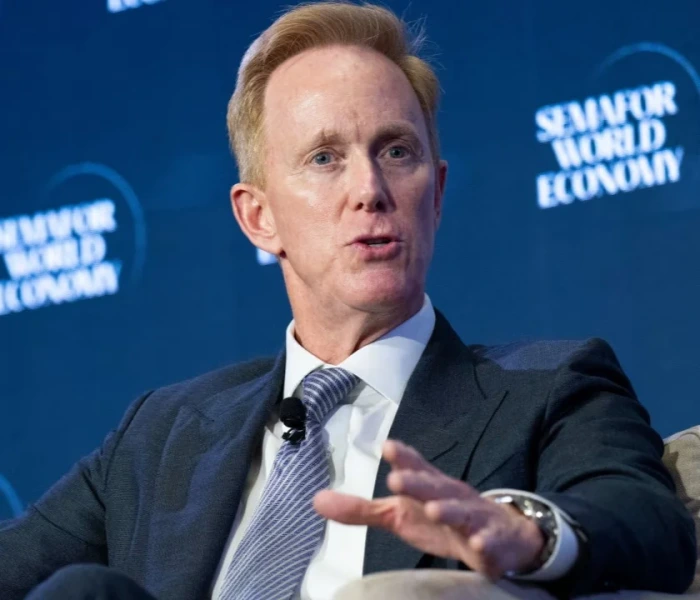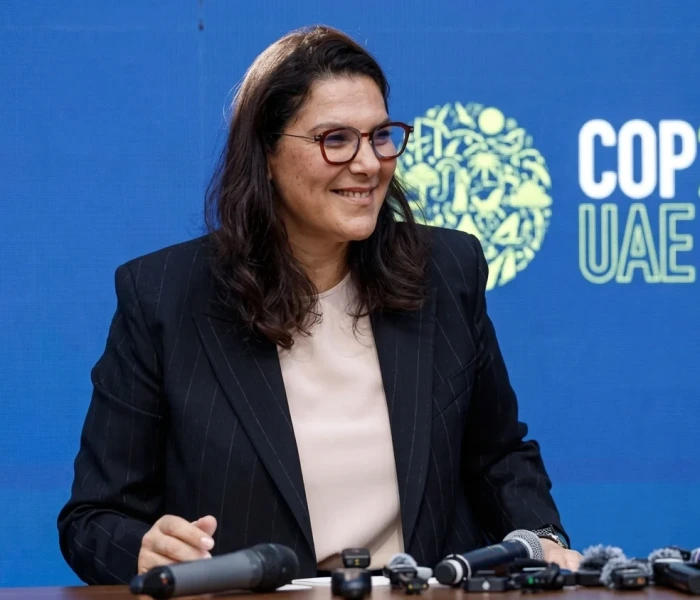
Unilever CEO Fernando Fernandez is reshaping the consumer giant around a simpler portfolio, sharper investment priorities and higher-growth categories, putting focus at the centre of his strategy for the company’s next chapter.
How do you make one of the world’s biggest consumer companies move with the focus of a much smaller business?
For Fernando Fernandez, CEO of Unilever, the answer increasingly appears to be: do fewer things, concentrate resources where growth is strongest, and make the organisation simpler around them.
That philosophy is becoming clearer as Fernandez reshapes Unilever’s portfolio and directs greater attention towards Beauty & Wellbeing and Personal Care, alongside premium products, digital commerce and two priority markets; the United States and India.
The strategy represents more than a portfolio adjustment. It is an attempt to redefine how a company whose products reach billions of consumers allocates its capital, talent and management attention.
A Bigger Company With a Narrower Focus
Unilever still operates at enormous scale. Its products are sold in around 190 countries, with 3.7 billion people using them every day. Following the separation of its ice cream business, the company reported €50.5 billion in 2025 turnover across Beauty & Wellbeing, Personal Care, Home Care and Foods.
Fernandez’s strategy, however, is increasingly about being selective within that scale.
Unilever has identified seven strategic growth priorities: Beauty, Wellbeing, Personal Care, premium products, digital commerce, the US and India. In the medium term, the company wants Beauty & Wellbeing and Personal Care to account for around two-thirds of turnover.
The logic is straightforward. Fernandez has previously identified Beauty & Wellbeing and Personal Care as categories structurally exposed to higher growth, while Unilever sees opportunities to build more premium and digitally driven businesses around them.
Reuters reported on August 25 that the broader transformation also involves reducing Unilever’s exposure to food assets, reinforcing the move towards a more concentrated consumer portfolio.
‘Simpler, Sharper and Faster’
Portfolio choices are only one side of Fernandez’s plan.
Since becoming CEO in March 2025, he has pushed Unilever towards what he describes as a “simpler, sharper and faster” organisation. The company’s strategic framework combines brand investment with a stronger performance culture and an organisation designed to be more agile and technology-enabled.
That includes using AI and technology across creativity, growth and productivity while simplifying internal structures and concentrating resources behind areas with stronger growth potential.
There is also a deliberate emphasis on fewer, stronger brands. Unilever’s Power Brands represented 78% of turnover in 2025, giving the company a more concentrated platform for investment and innovation.
Beauty & Wellbeing offers an example of what that strategy can look like. Unilever is investing in science-led innovation and premiumisation while expanding brands across emerging categories and digital channels. The company has also reduced SKUs within the division by more than 30% since early 2024, part of a wider effort to simplify operations.
The Leadership Idea Behind the Strategy
What makes Fernandez’s approach notable from a leadership perspective is the choice to treat focus itself as a growth strategy.
For large organisations, expansion can naturally create complexity: more categories, more brands, more markets and more competing priorities. Fernandez is pursuing the opposite logic, using Unilever’s scale while becoming more selective about where the company directs its intellectual and financial capital.
It is a strategy built around concentration rather than simply expansion.
Unilever’s stated ambition remains underlying sales growth of 4% to 6% over the multi-year period, supported by at least 2% volume growth. Its longer-term aim is to generate absolute profit growth consistent with top-third total shareholder returns among peers.
For Fernandez, achieving that ambition means deciding not only where Unilever should grow, but where its resources can create the greatest impact.
And that may ultimately be the defining idea behind his leadership of the company: Unilever does not necessarily need to become bigger everywhere. It needs to become more focused where it believes it can win.
Source(s): Reuters; Unilever Annual Report and Accounts 2025; Unilever 2026 strategy materials