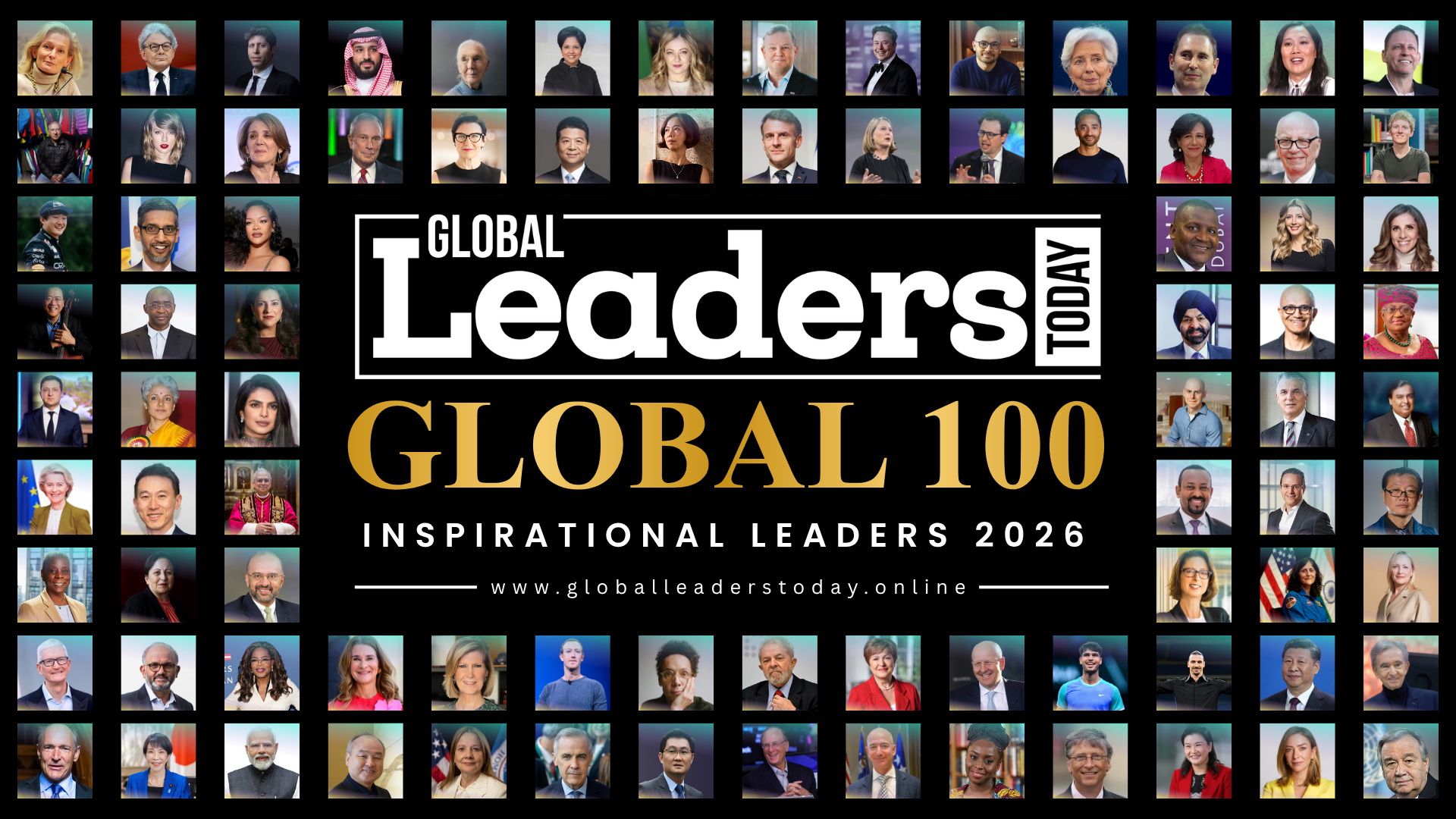
Global 100 Inspirational Leaders - 2026
By Team Global Leaders TodayLeadership is not a title. It is a force, invisible until the moment it is needed, and then impossible to ignore. The 100 individuals in this edition of Global Leaders Today represent the full spectrum of what that force looks like in practice. They lead nations and central banks, technology platforms and philanthropic foundations, scientific laboratories and cultural movements. Some command armies; others command audiences. Some have shaped industries that did not exist when they were born; others have spent lifetimes defending values that have existed for centuries. What they share is not power in the abstract but the specific, sustained, consequential application of it. This list does not rank. It does not claim to be exhaustive. It is, instead, a portrait of a particular moment in human affairs: a time when artificial intelligence is rewriting the economics of knowledge work, when climate urgency is finally reshaping capital allocation, when geopolitical fractures are forcing leaders to make choices their predecessors could defer. The individuals documented here are navigating that moment in real time, making decisions whose consequences extend far beyond their organisations, their borders, and in some cases their lifetimes. We have drawn from every sector and every continent, because the most consequential leadership in 2026 does not live in any single geography or discipline. It lives wherever someone has chosen to act, to build, to defend or to imagine, and then found a way to bring others with them.
The List of 100 Inspirational Leaders | 2026
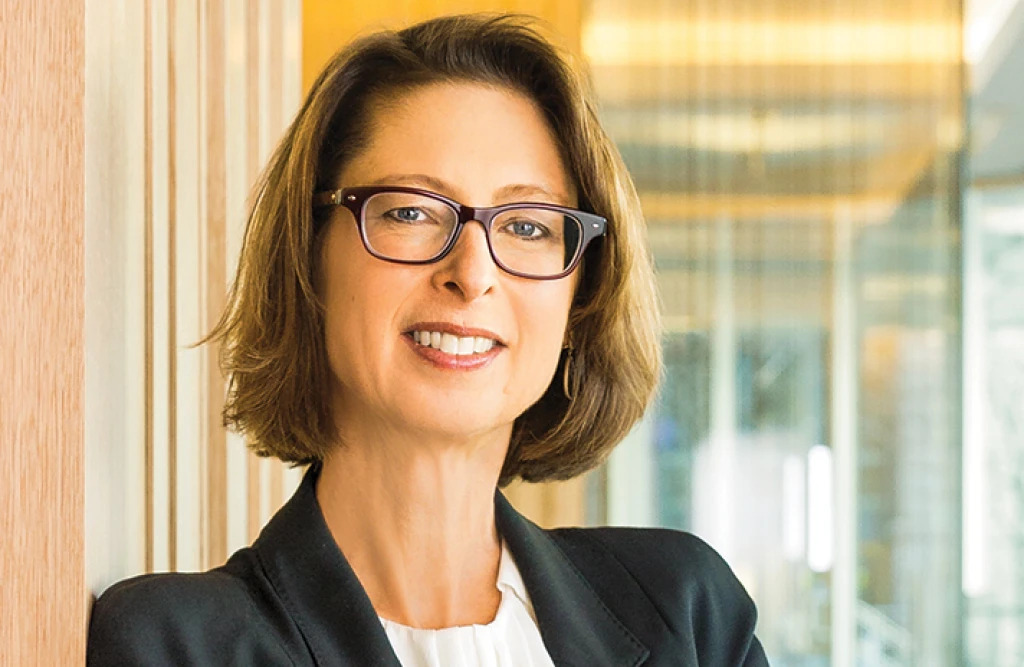
Abigail Johnson has led Fidelity Investments as CEO since 2014 and Chair since 2016, overseeing approximately $14 trillion in assets. A third-generation Fidelity leader, she eliminated trading commissions ahead of competitors and moved boldly into cryptocurrency custody services, signalling pragmatism over ideology. Johnson spends considerable time on the trading floor and in product meetings, a hands-on approach rare among leaders of comparable institutional scale. She has consistently resisted calls to take Fidelity public, protecting long-term decision-making that listed competitors cannot sustain. Her investment in workforce retraining as automation reshapes financial services reflects genuine commitment to her people alongside her numbers. In 2026, she remains one of the most quietly powerful figures in global finance, managing one of the world's largest pools of investment capital while maintaining the private ownership structure that has defined Fidelity's independence for decades.
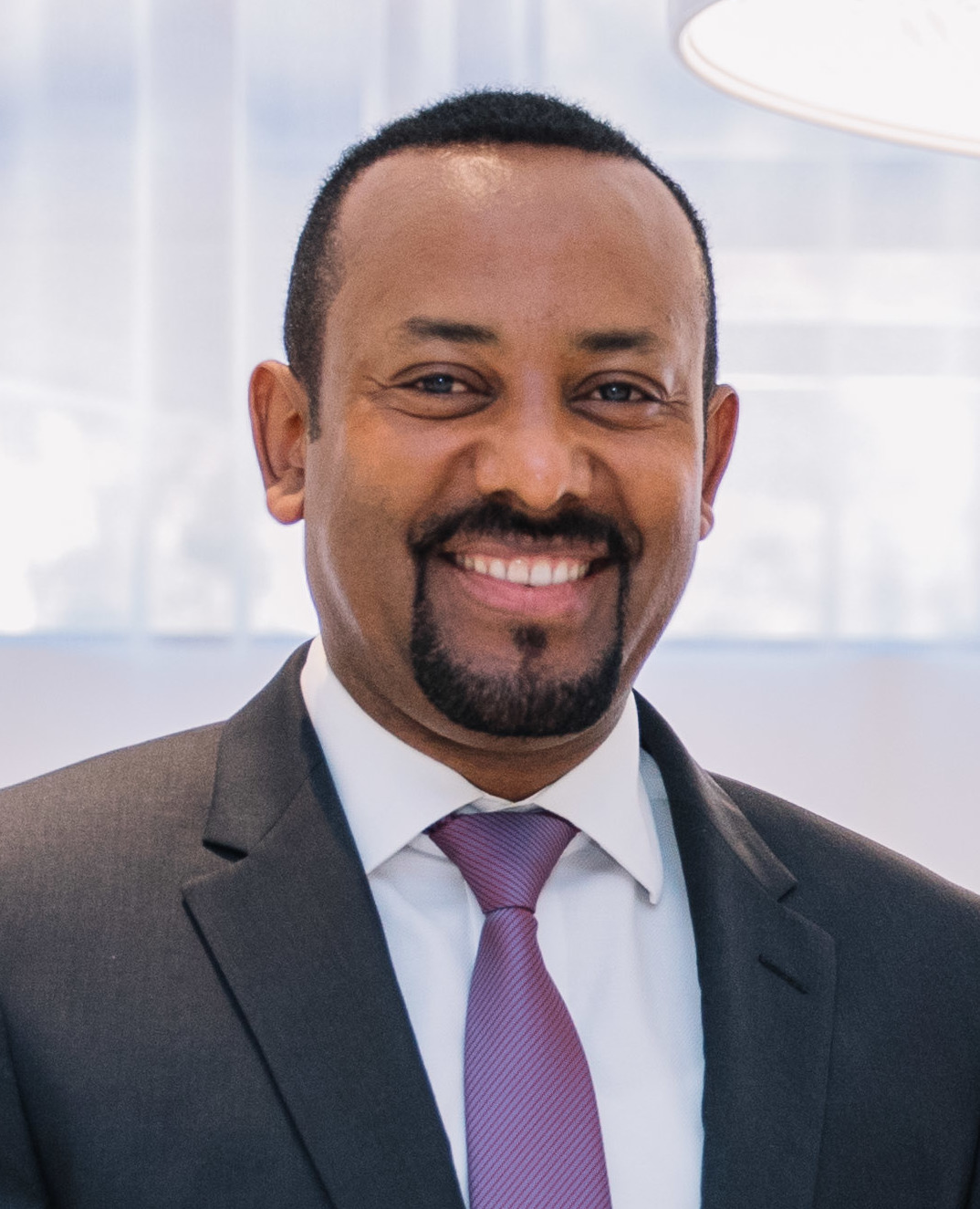
Abiy Ahmed — Politics / Government
Abiy Ahmed has served as Prime Minister of Ethiopia since 2018 and was awarded the Nobel Peace Prize in 2019 for resolving the long-standing border conflict with Eritrea within months of taking office. A PhD holder in peace and security studies, he articulates a leadership philosophy called Medemer, meaning synergy, emphasising cooperation over competition. His early reforms included releasing political prisoners and appointing a cabinet that was 50% women. His tenure has navigated complex regional security challenges, including the Tigray situation, as he continues to pursue dialogue and reconstruction. In 2026, he leads Africa's second most populous nation through reconstruction and political consolidation, remaining one of the most watched and debated leaders on the continent, a figure whose early promise and subsequent challenges offer a complex study in the difficulties of transformational governance at national scale.
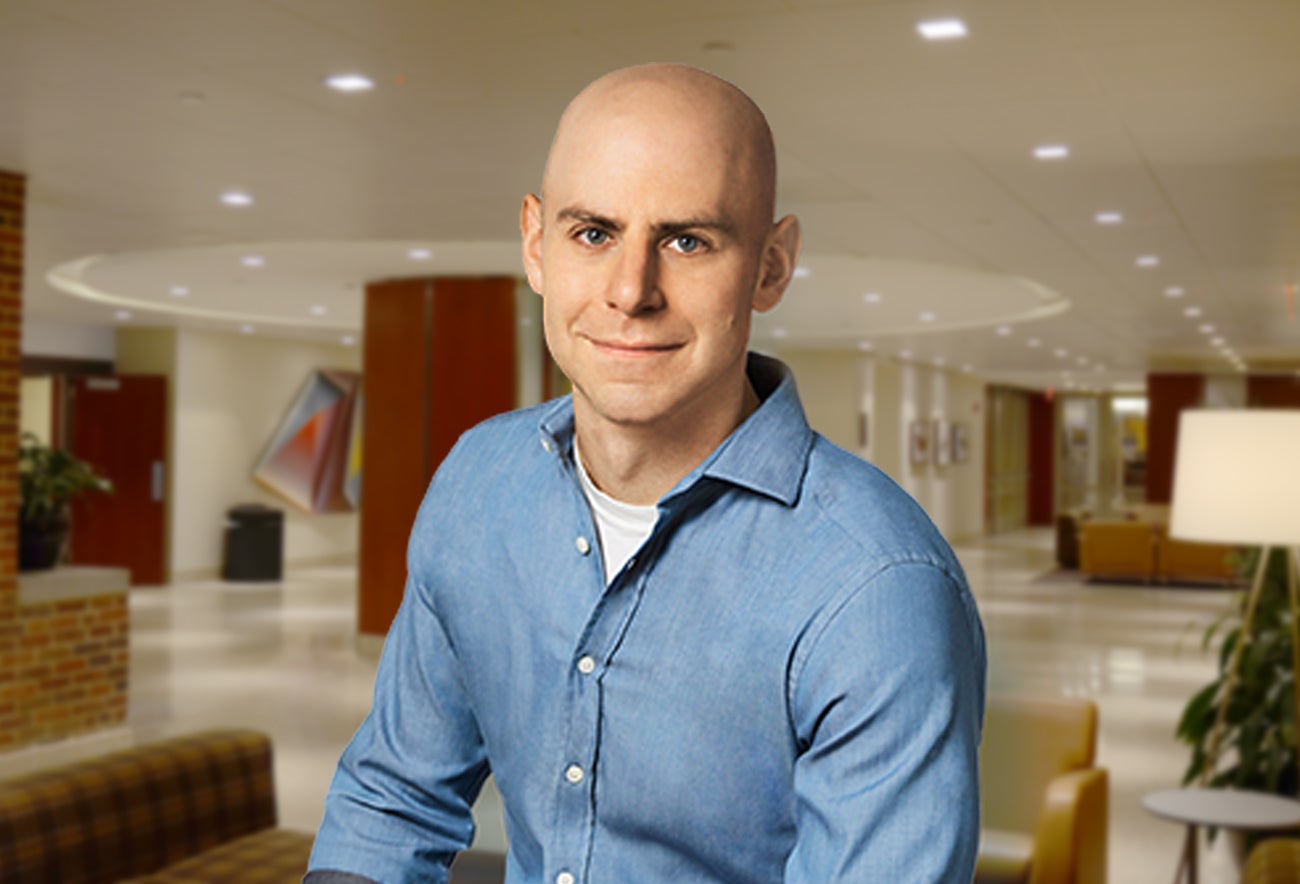
Adam Grant — Leadership / Organisational Psychology
Adam Grant is the most cited professor at the Wharton School and one of the most widely read authors on leadership and human behaviour. His books, including Give and Take, Originals, Think Again, and Hidden Potential, have sold millions of copies globally, shaping how organisations think about motivation, creativity, and intellectual humility. Corporate training programmes based on his work operate across 40 countries. His TED Talks have attracted hundreds of millions of views and his WorkLife podcast reaches global audiences well beyond academia. He has consulted with the Gates Foundation, Google, and the NBA. In 2026, Grant is among the most quoted voices in the global conversation about workplace culture and human potential, a rare academic whose research has achieved genuine mainstream influence without losing its scientific grounding or intellectual rigour.
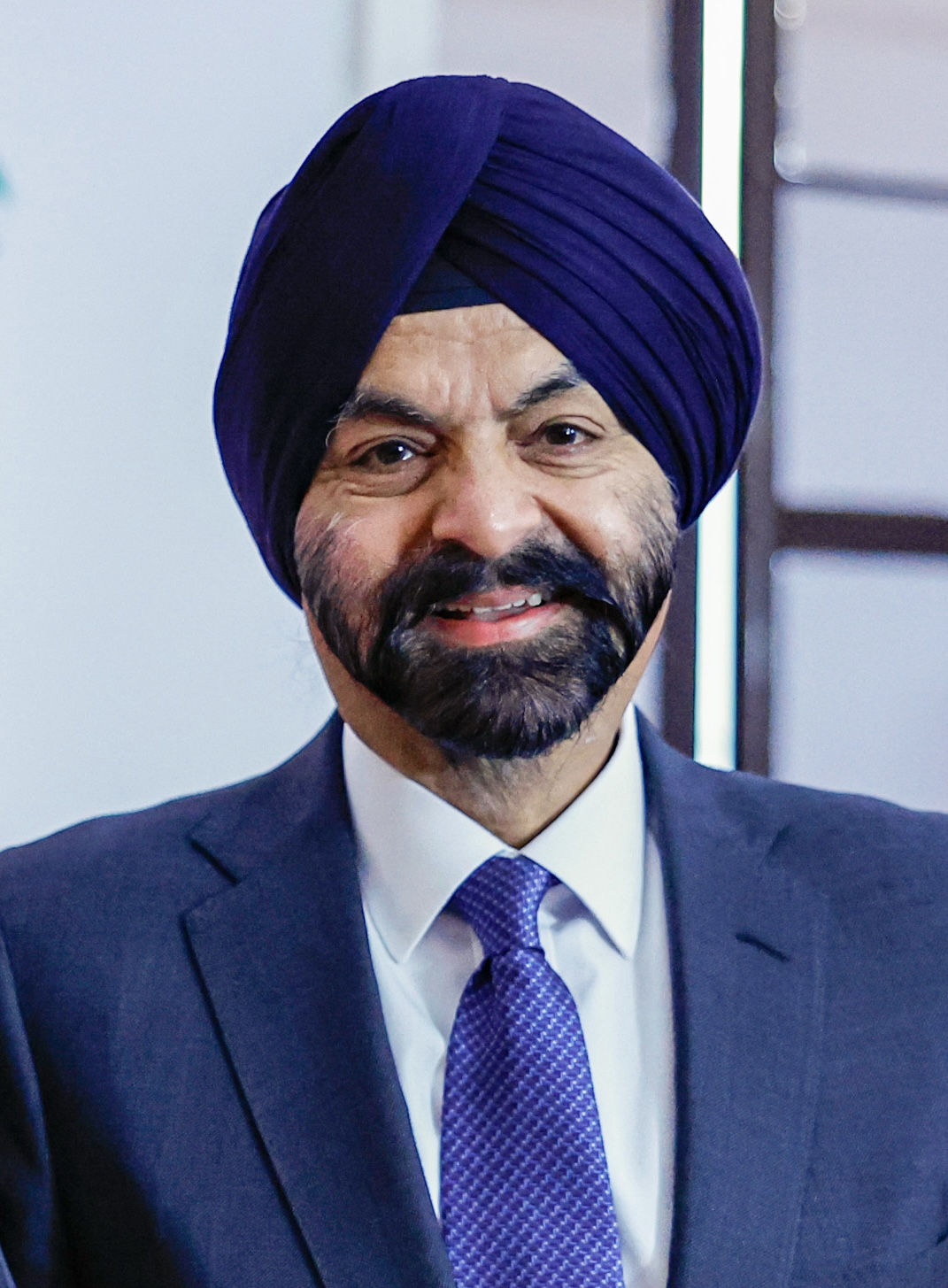
Ajay Banga — International Development / Finance
Ajay Banga became President of the World Bank in June 2023, bringing three decades of private sector financial experience, most prominently as CEO of Mastercard where he expanded financial inclusion by connecting hundreds of millions of unbanked consumers to the global economy. At the World Bank, he has pushed aggressively to reform how the institution mobilises capital for climate and development finance in low-income countries, arguing publicly that solving the climate crisis requires unlocking significantly more private capital alongside multilateral funding. Born in India and educated at IIM Ahmedabad, he represents a new archetype of multilateral institution leadership: commercially credentialed, operationally focused, and impatient with institutional inertia. In 2026, he is widely regarded as one of the most consequential figures in international development, reshaping how the world's most important development bank deploys its influence.
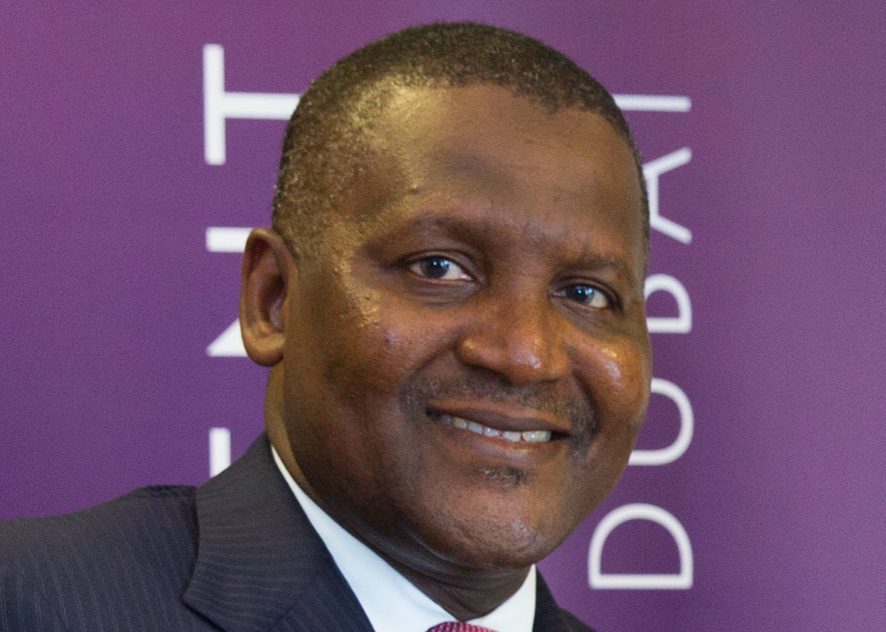
Aliko Dangote — Industry / Infrastructure
Aliko Dangote is Africa's wealthiest individual and founder of the Dangote Group, spanning cement, sugar, flour, fertiliser, and petroleum refining across more than a dozen African countries. His most consequential current project is the Dangote Refinery in Lagos, which upon full commissioning will be the world's largest single-train petroleum refinery at 650,000 barrels per day, representing a structural shift in Nigeria's capacity to process its own oil. Dangote's leadership philosophy rests on a conviction that Africa's future depends on industrialisation over commodity dependence. He is a persistent advocate for governments to prioritise manufacturing policy and infrastructure investment. In 2026, he commands significant influence not only as a business figure but as a voice in conversations about African economic sovereignty, trade policy, and industrial development, having built an enterprise that employs hundreds of thousands across the continent.
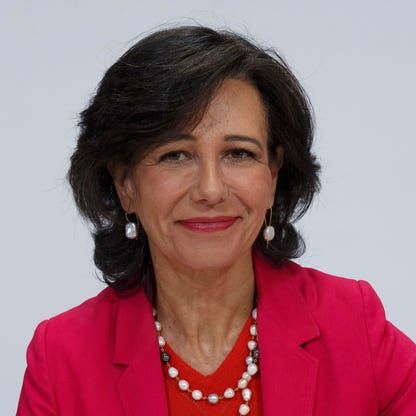
Ana Botin — Finance / Banking
Ana Botin has served as Executive Chair of Santander since 2014, establishing herself as one of the most consequential figures in European banking in her own right. Only the fourth person to chair Santander in its 160-year history, she has invested significantly in digital transformation, expanding mobile banking capabilities across multiple markets including Spain, the UK, Brazil, Mexico, and the United States. Botin is an active voice in European financial policy, advocating for a genuine capital markets union and conditions allowing European banks to compete with US and Chinese financial institutions. She argues that banks have obligations to financial inclusion and economic resilience extending beyond commercial mandates. In 2026, she is one of the most respected and influential women in global finance, consistently demonstrating that inherited institutional leadership can be reinvented rather than merely maintained.
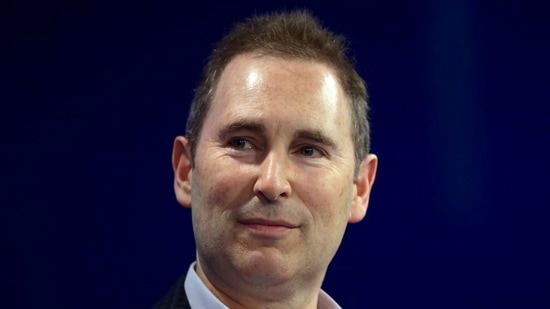
Andy Jassy — Technology / E-commerce
Andy Jassy became CEO of Amazon in July 2021, having spent his entire career at the company and built Amazon Web Services from an internal infrastructure project into the world's dominant cloud platform, generating more profit than Amazon's entire retail operation. Under his leadership, Amazon has committed tens of billions to AI infrastructure including a major investment in Anthropic, and has moved aggressively to embed AI across logistics, advertising, and AWS businesses. He has undertaken significant organisational restructuring, streamlining the organisation to sharpen its strategic focus while defending efficiency rationale with characteristic directness. Known for a rigorous, data-driven leadership style, Jassy has demonstrated a willingness to make structural changes his predecessor avoided. In 2026, he presides over a company whose influence extends from household shopping to the infrastructure of global digital commerce, navigating increasing regulatory scrutiny in multiple jurisdictions simultaneously.
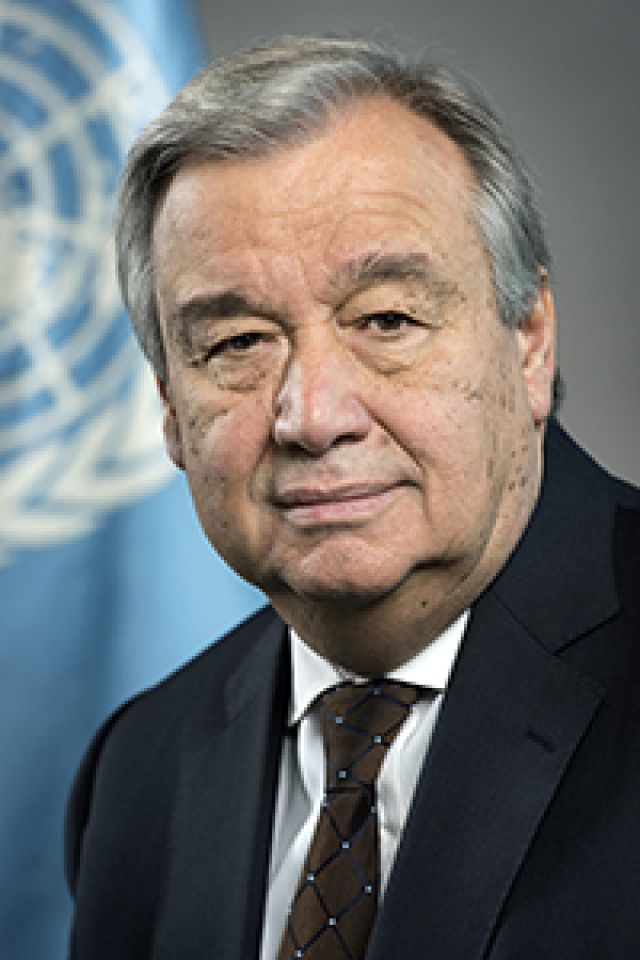
António Guterres — International Governance
António Guterres has served as Secretary-General of the United Nations since January 2017, bringing experience as former Prime Minister of Portugal and UN High Commissioner for Refugees. His tenure has been defined by compounding global crises: COVID-19, the war in Ukraine, escalating climate emergencies, and deteriorating geopolitical relations between major powers. Notably outspoken for a UN Secretary-General, he has issued direct public warnings about climate inaction and unchecked AI development, drawing both admiration and criticism from member states. He has consistently argued the UN requires modernisation to reflect 21st-century power realities, a reform agenda that has made limited formal progress but elevated the conversation. In 2026, Guterres leads an institution under significant strain with the multilateral system facing challenges to its authority on multiple fronts, yet remains one of the world's most recognised voices on global governance and planetary risk.
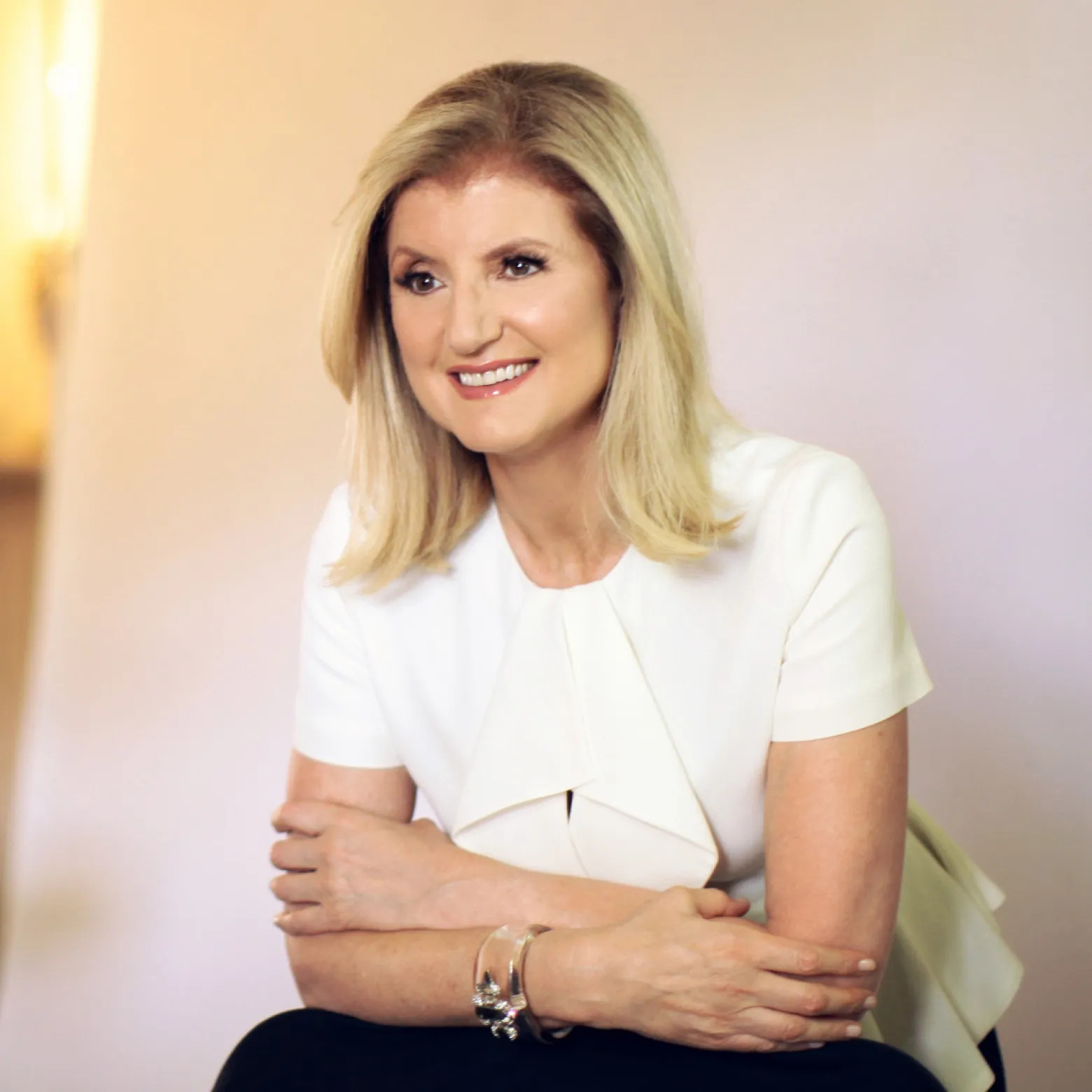
Arianna Huffington — Wellness / Media
Arianna Huffington co-founded The Huffington Post in 2005, sold it to AOL for $315 million in 2011, then pivoted entirely to build Thrive Global, a behaviour change technology company focused on reducing burnout in the workplace. The personal trigger was a 2007 collapse from exhaustion she has discussed publicly as a turning point in understanding what sustainable performance requires. Thrive Global works with major corporations globally to embed wellbeing practices, combining proprietary technology and science-based content. Huffington has authored fifteen books, with The Sleep Revolution making significant contributions to mainstream awareness of the relationship between rest and performance. In 2026, she is a frequently cited voice on the future of work, the tension between productivity culture and human sustainability, a conversation that has grown considerably more urgent as artificial intelligence reshapes what knowledge workers are expected to produce and how quickly.
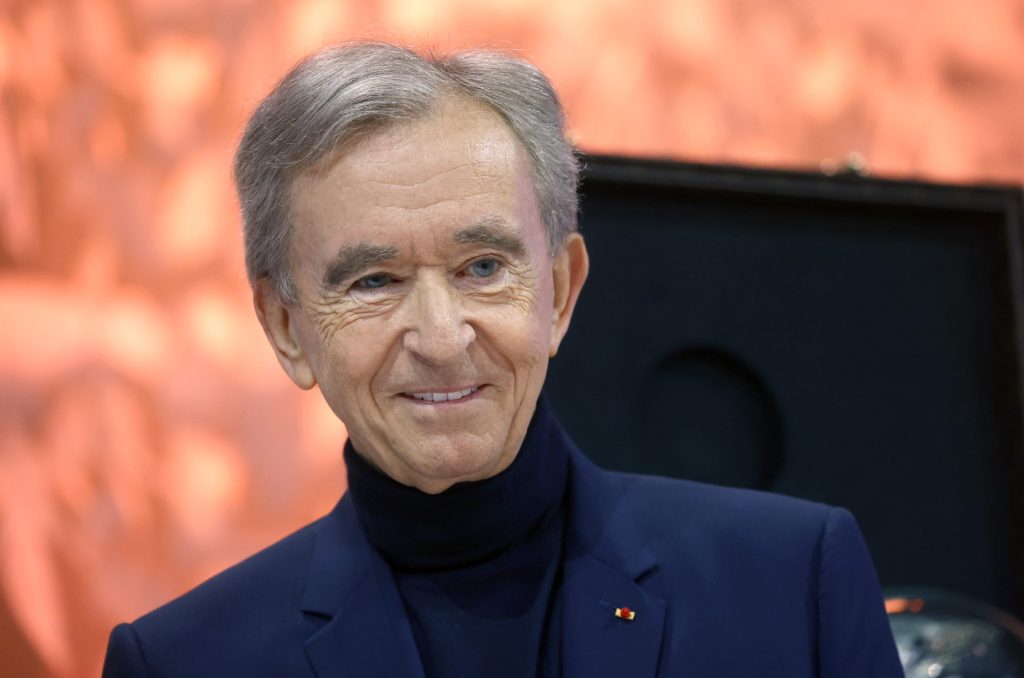
Bernard Arnault — Luxury / Consumer Goods
Bernard Arnault is chairman and chief executive of LVMH, the world's largest luxury goods conglomerate with over 70 brands spanning fashion, cosmetics, wines, watches, and selective retail. He built LVMH through audacious acquisitions beginning in the late 1980s, transforming fragmented French heritage brands into the most valuable luxury enterprise on earth. His philosophy rests on the conviction that genuine luxury expresses craftsmanship, heritage, and creative excellence, and he has given significant autonomy to creative directors rather than imposing uniformity across the portfolio. Known for an exceptional ability to identify and develop creative talent, his cultivation of designers including Nicolas Ghesquiere is among his celebrated leadership achievements. In 2026, Arnault remains one of the world's wealthiest individuals and the dominant force in global luxury, with succession among his five children, several of whom hold senior group positions, among the most watched questions in international business.
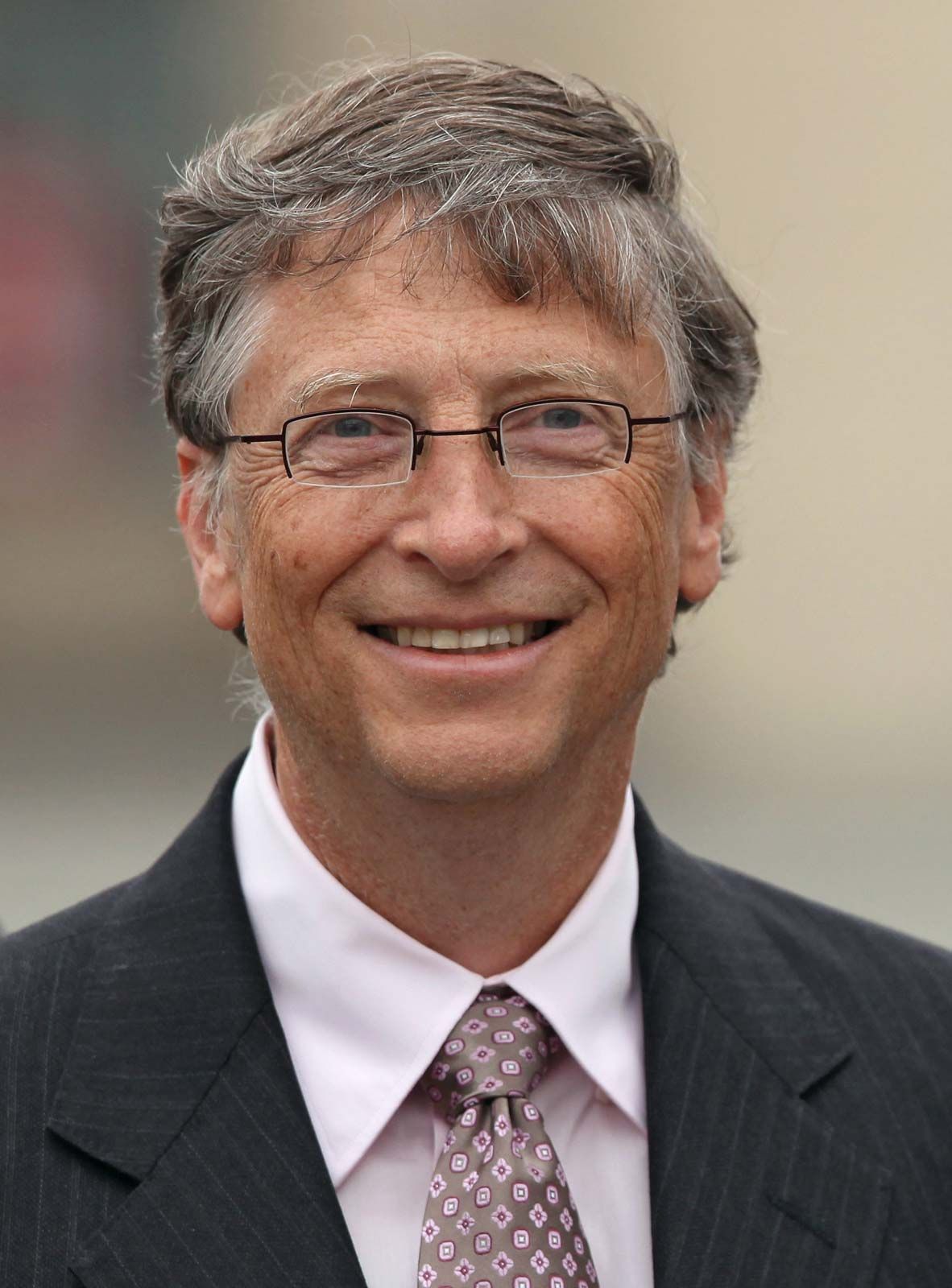
Bill Gates — Philanthropy / Technology
Bill Gates co-founded Microsoft in 1975, leading it to become the world's most valuable company during the personal computing era before stepping back from the board in 2020. Since then, his focus has been the Bill and Melinda Gates Foundation, which he now co-chairs, the world's largest private philanthropic foundation with an endowment exceeding $70 billion. The foundation's work spans global health, poverty reduction, and educational equity, particularly eradicating polio and malaria. Gates famously warned about pandemic preparedness in a 2015 TED Talk years before COVID-19. In 2026, his philanthropic leadership shapes global health policy in ways few private individuals can match. He consistently argues that AI's most important applications will emerge in global health and education rather than in the productivity tools commanding most public attention, a conviction that shapes where he continues to direct both resources and intellectual energy.
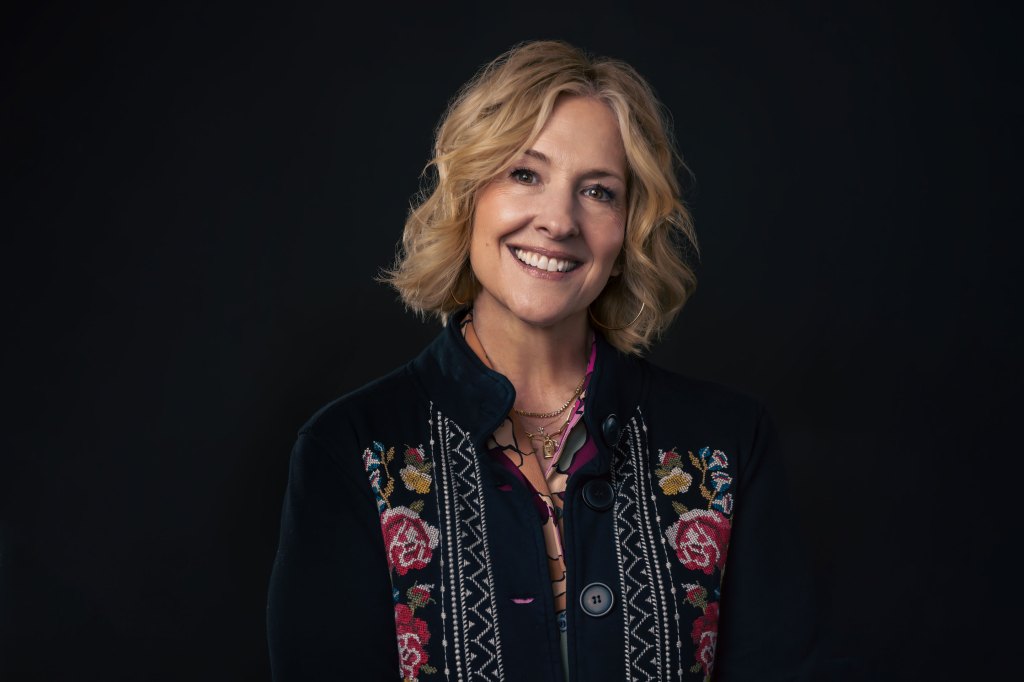
Brene Brown — Leadership / Culture
Brene Brown is a research professor at the University of Houston whose 2010 TED Talk, The Power of Vulnerability, is among the most watched in history with over sixty million views. Her books, including Daring Greatly, Rising Strong, Dare to Lead, and Atlas of the Heart, have collectively sold tens of millions of copies globally. Dare to Lead has become one of the most widely used leadership curricula in corporate training globally, with certified facilitators operating in over 40 countries. Brown spent more than two decades conducting qualitative research on shame, courage, empathy, and belonging before reaching mainstream prominence. She has produced multiple Netflix documentary specials. In 2026, her influence on how organisations think about psychological safety, authenticity, and the human dimensions of performance is unmatched among academics who have crossed into public life, demonstrating that rigorous research and broad popular reach need not be mutually exclusive.
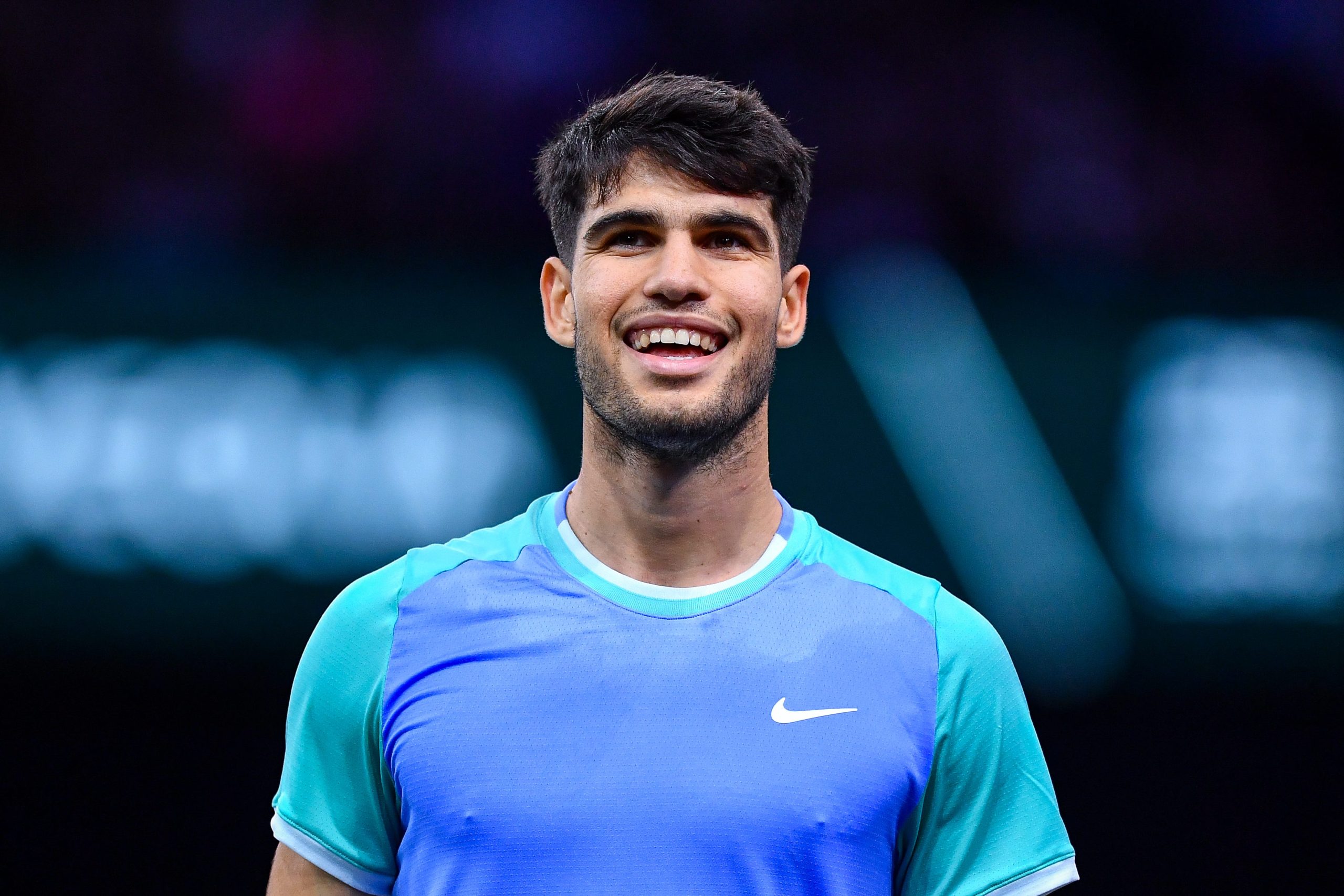
Carlos Alcaraz — Sport / Culture
Carlos Alcaraz is a Spanish professional tennis player widely regarded as the most exciting young athlete in global sport. Born in El Palmar, Murcia in 2003, he became the youngest player in history to reach world number one in September 2022 at age 19. He has since won multiple Grand Slam titles including Wimbledon and the French Open, demonstrating extraordinary physical ability, tactical intelligence, and competitive temperament drawing comparisons to the sport's greatest players. Trained at the academy of former world number one Juan Carlos Ferrero, their coaching partnership is studied as elite sports development at its finest. His commercial appeal is exceptional, with partnerships spanning luxury, sportswear, and technology brands. In 2026, with Federer retired and Nadal diminished, Alcaraz is tennis's most compelling standard-bearer for a new era, extending the sport's reach significantly among younger global audiences across multiple continents.
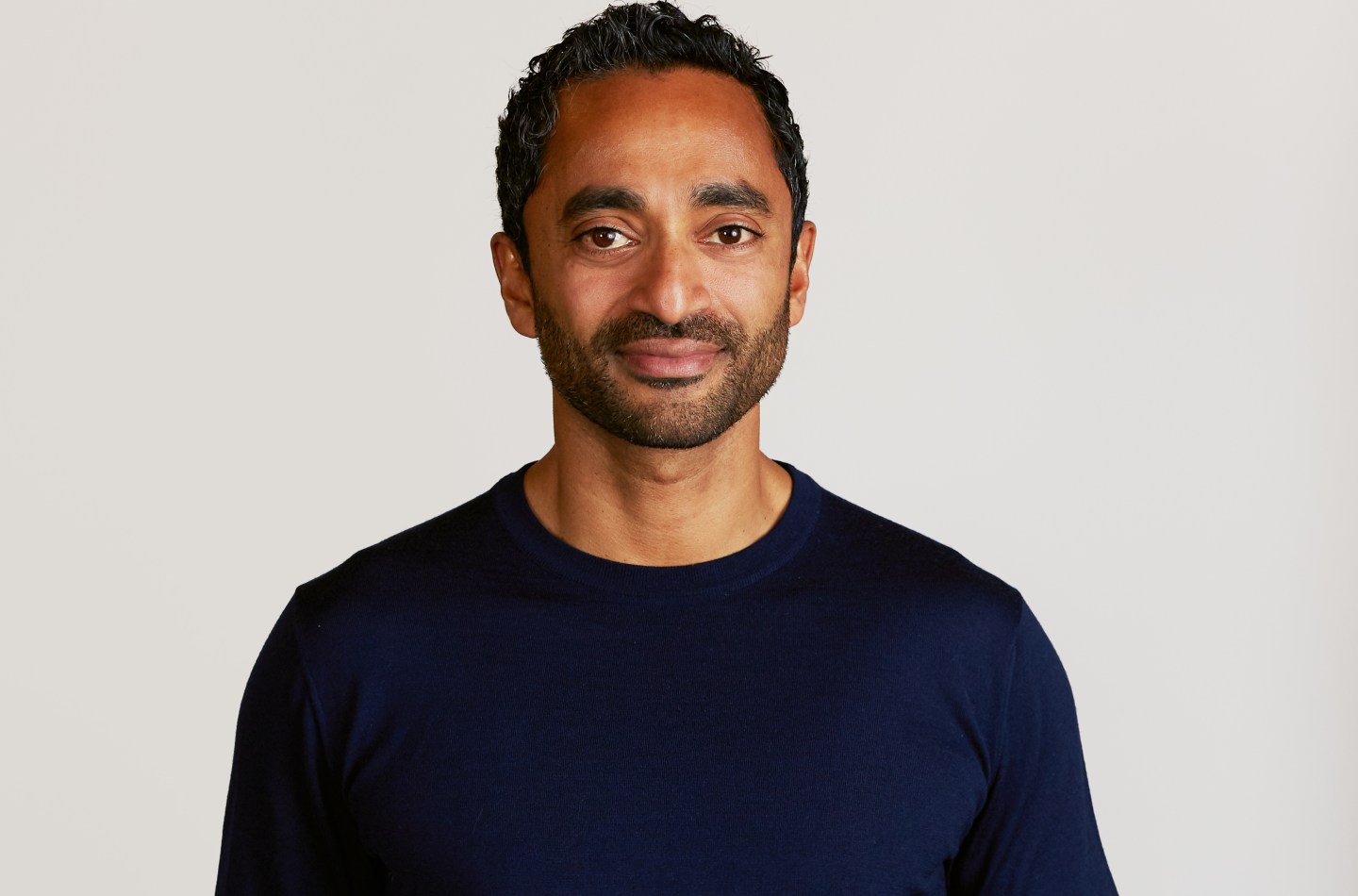
Chamath Palihapitiya — Technology / Investment
Chamath Palihapitiya is founder and CEO of Social Capital and one of the most outspoken investors of his generation. Born in Sri Lanka and raised in Canada, he joined Facebook in 2007 playing a significant role in its growth strategy before departing in 2011 with public concerns about social media's societal impact. He founded Social Capital to invest in companies solving fundamental human problems in health, education, and financial services. Widely known through co-hosting the All-In podcast, one of the most influential technology and investment forums globally, he became a prominent SPAC practitioner during that instrument's early 2020s boom, generating significant returns for investors. In 2026, his combination of investment activity, media presence, and commentary on technology, geopolitics, and markets makes him one of the more influential voices in the Silicon Valley intellectual ecosystem, regardless of how one assesses his individual positions on contested issues.
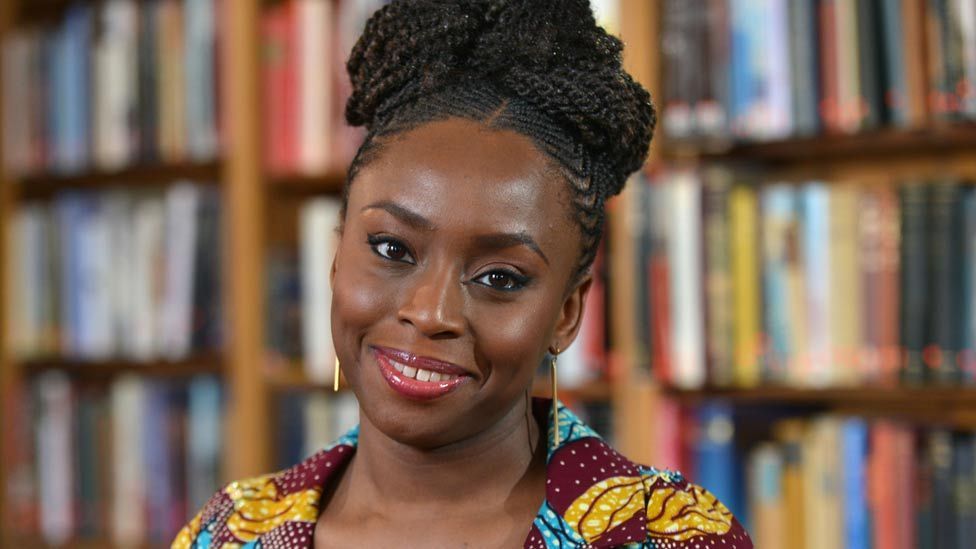
Chimamanda Ngozi Adichie — Literature / Culture / Gender
Chimamanda Ngozi Adichie is a Nigerian author whose work has achieved global cultural influence extraordinary for a literary figure. Her novels, including Half of a Yellow Sun and Americanah, have won major international prizes and been translated into dozens of languages. Her 2012 TEDx talk, We Should All Be Feminists, adapted into a book, has been viewed tens of millions of times, translated into 30 languages, and distributed to every sixteen-year-old student in Sweden. Beyonce sampled the talk in Flawless, introducing it to hundreds of millions. Her earlier TED Talk, The Danger of a Single Story, has accumulated over 60 million views. Born in Enugu, Nigeria, she divides time between Nigeria and the United States. In 2026, she remains one of the most searched and quoted authors in the world, a writer whose work has moved from literary culture into the mainstream of global conversation about identity, gender, and belonging.
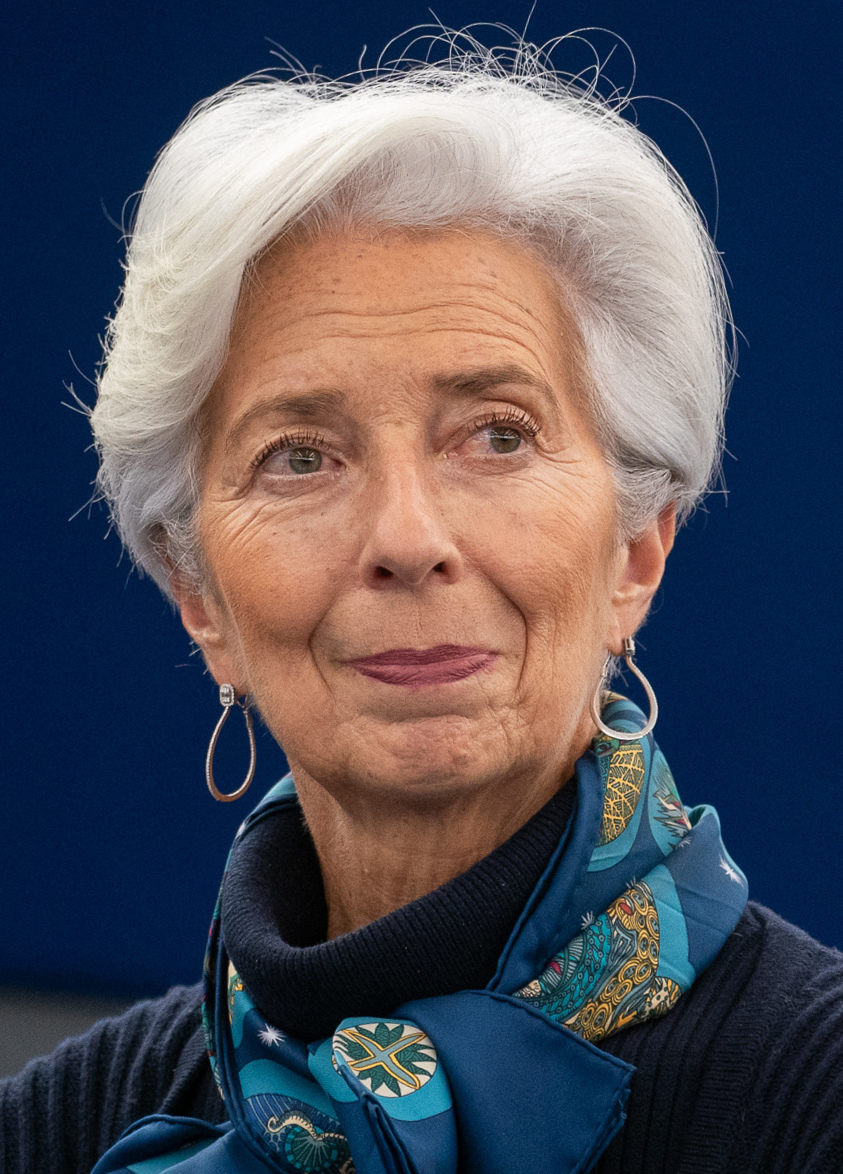
Christine Lagarde — Finance / Monetary Policy
Christine Lagarde became President of the European Central Bank in November 2019, having previously served as Managing Director of the IMF for eight years, the first woman to hold both positions. A lawyer by training who spent years at the top of Baker McKenzie before entering public service, her ECB tenure has encompassed the pandemic shock, the fastest eurozone inflation surge in history, and the most aggressive interest rate tightening cycle the ECB has undertaken. In 2026, she navigates the aftermath of that tightening cycle, balancing inflation control against growth risks amid significant geopolitical and trade uncertainty. Widely regarded as one of the most skilled communicators in global central banking, she translates complex monetary policy into terms that both political audiences and markets can hear and act on, a quality that has made her one of the most effective institutional communicators of her generation.
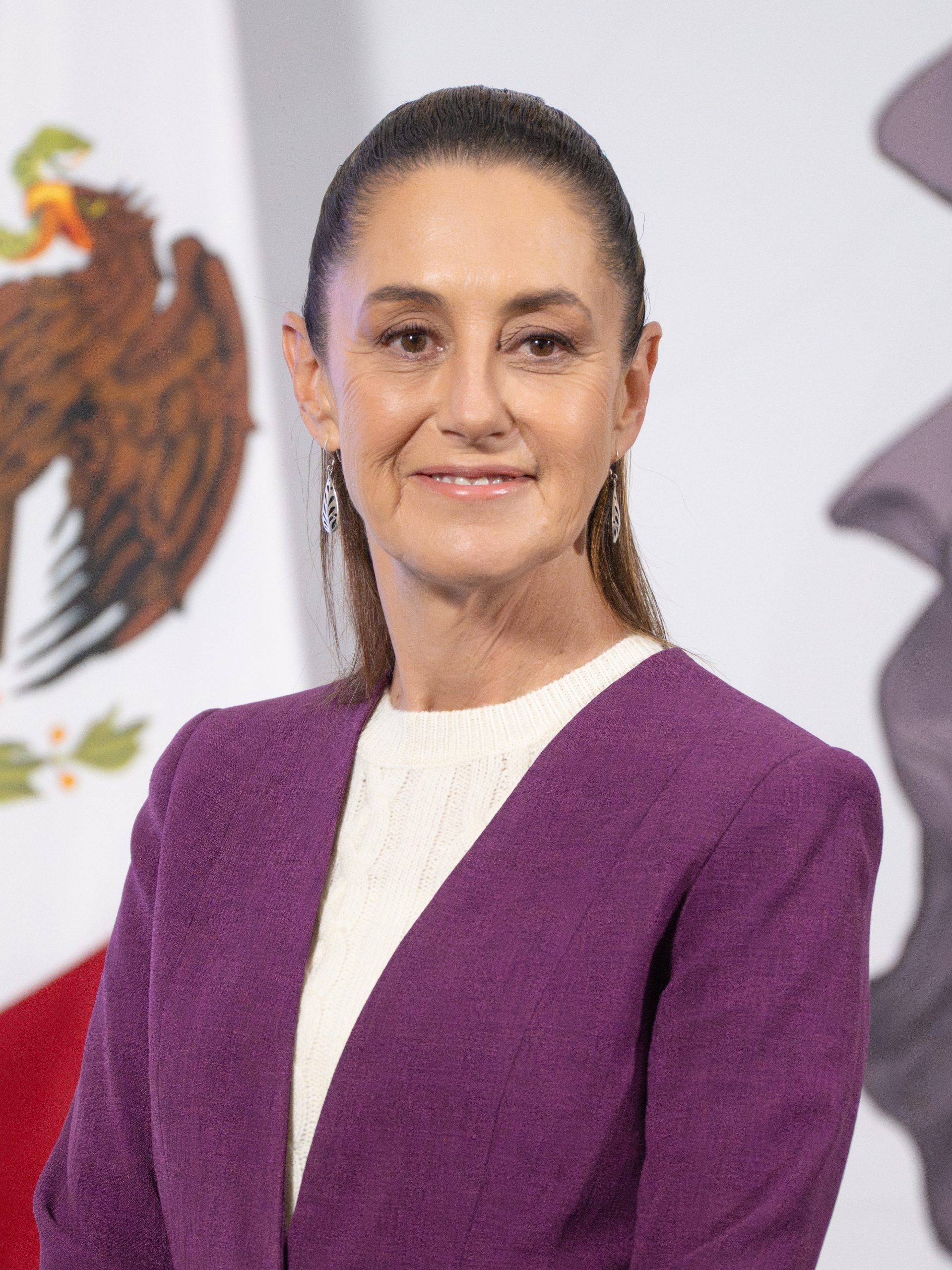
Claudia Sheinbaum — Politics / Government
Claudia Sheinbaum became President of Mexico in October 2024, the first woman to hold the presidency, winning with the largest majority in Mexico's democratic history. A climate scientist with a doctorate from the National Autonomous University of Mexico and a contribution to the IPCC, she brings an unusual scientific background to executive leadership. Before the presidency, she served as Head of Government of Mexico City, investing significantly in public transport and sustainability infrastructure. Her administration navigates Mexico's economic relationship with the United States amid shifting trade policy and nearshoring trends that are redirecting significant manufacturing investment toward Mexico. In 2026, she is closely watched by global business and political leaders as Mexico's strategic importance to North American supply chains continues to grow, positioning the country as one of the more consequential emerging economies in the evolving global trade landscape.
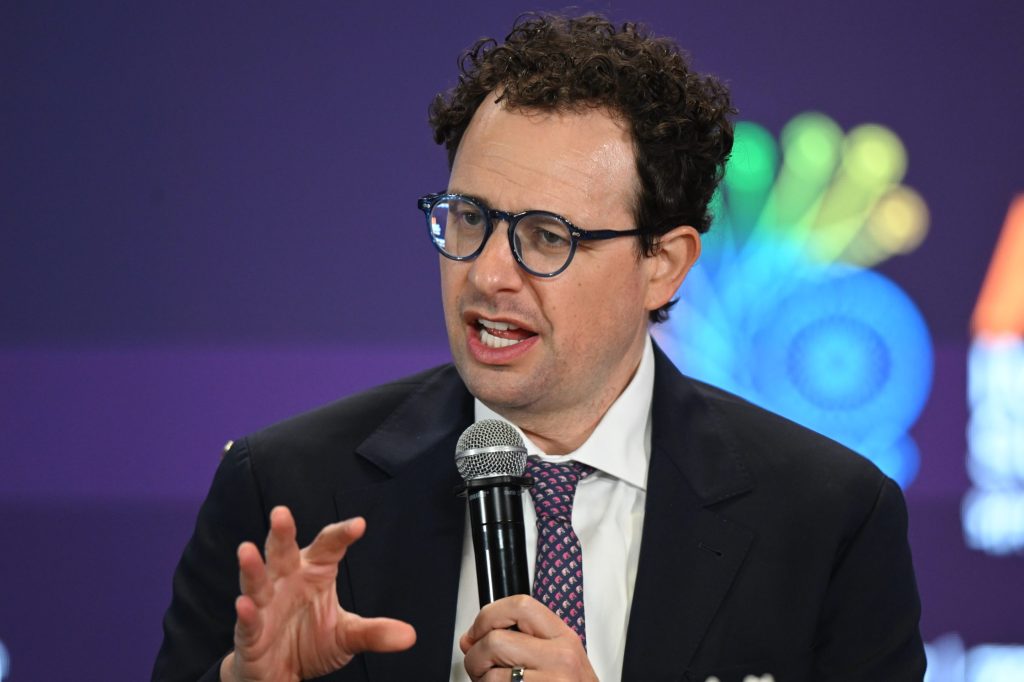
Dario Amodei — Artificial Intelligence
Dario Amodei co-founded Anthropic in 2021 with colleagues from OpenAI, with a founding thesis that AI safety should be an organisational priority rather than a secondary consideration. As CEO, he has overseen development of the Claude series of AI models and positioned Anthropic at the forefront of responsible AI development, with research emphasising interpretability and alignment. Following significant investment from Amazon and others, Anthropic is one of the most closely watched AI companies in the world, competing with OpenAI, Google DeepMind, and Meta AI on capability while maintaining a distinctive public posture on safety. Amodei holds a PhD in computational neuroscience from Princeton and has been a prominent presence in Washington DC, engaging legislators and executive officials on AI policy in ways reflecting a genuine belief that how AI develops in the next few years will have consequences extending across generations.
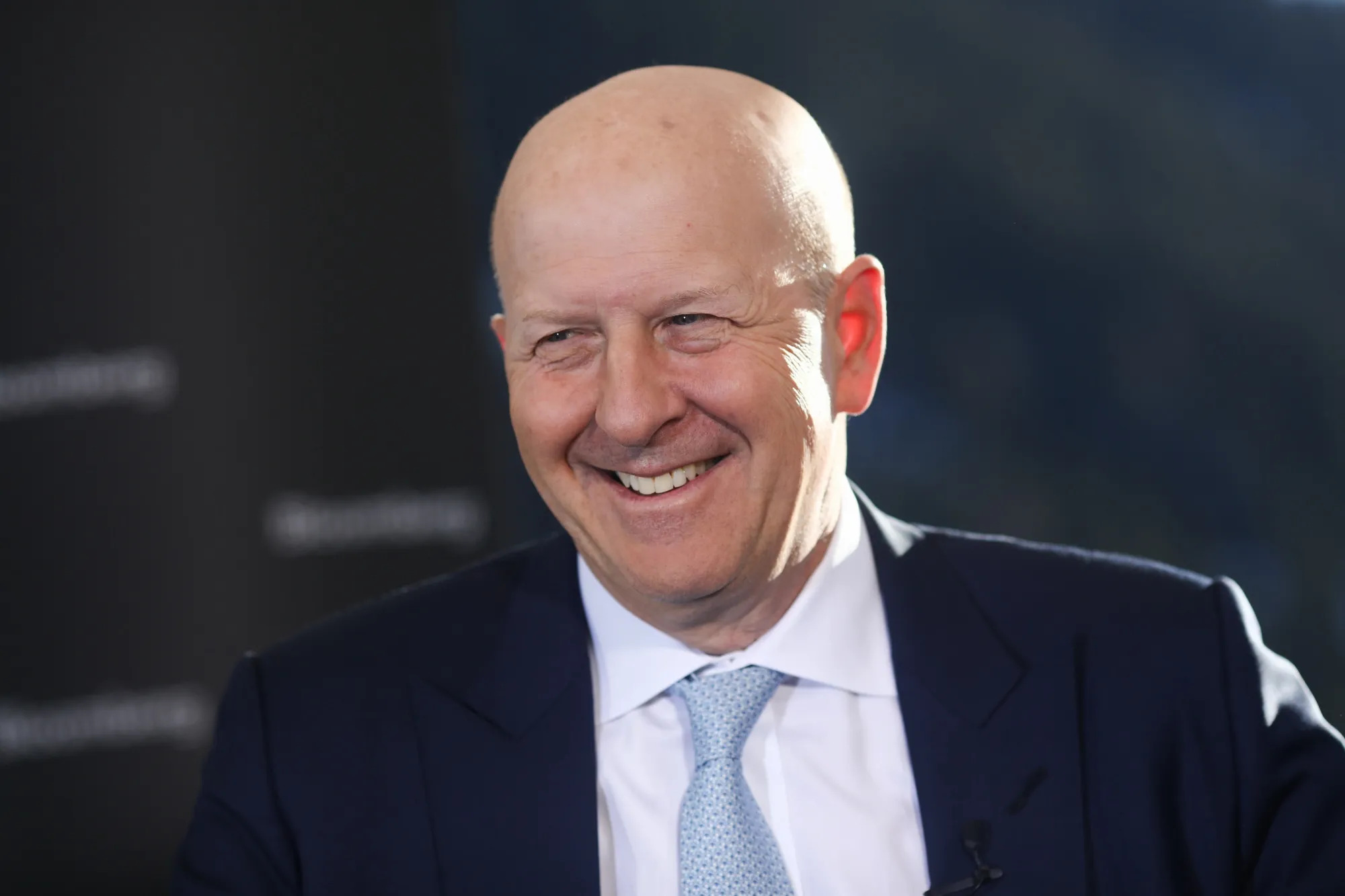
David Solomon — Finance / Investment Banking
David Solomon became CEO of Goldman Sachs in 2018, succeeding Lloyd Blankfein after a career in investment banking and the firm's securities division. His tenure has been defined by a clear-eyed strategic pivot away from consumer banking, with Solomon redirecting the firm's focus toward its core strengths. In 2026, Goldman has refocused on its core strengths of investment banking, trading, and asset management, with Solomon steering the firm through resurgent deal activity following a period of strong strategic focus. Also known outside finance for DJing as D-Sol, a hobby he has continued publicly despite significant commentary, he has defended it as a reminder that leaders are more than their titles, a position earning him both admirers and critics in roughly equal measure.
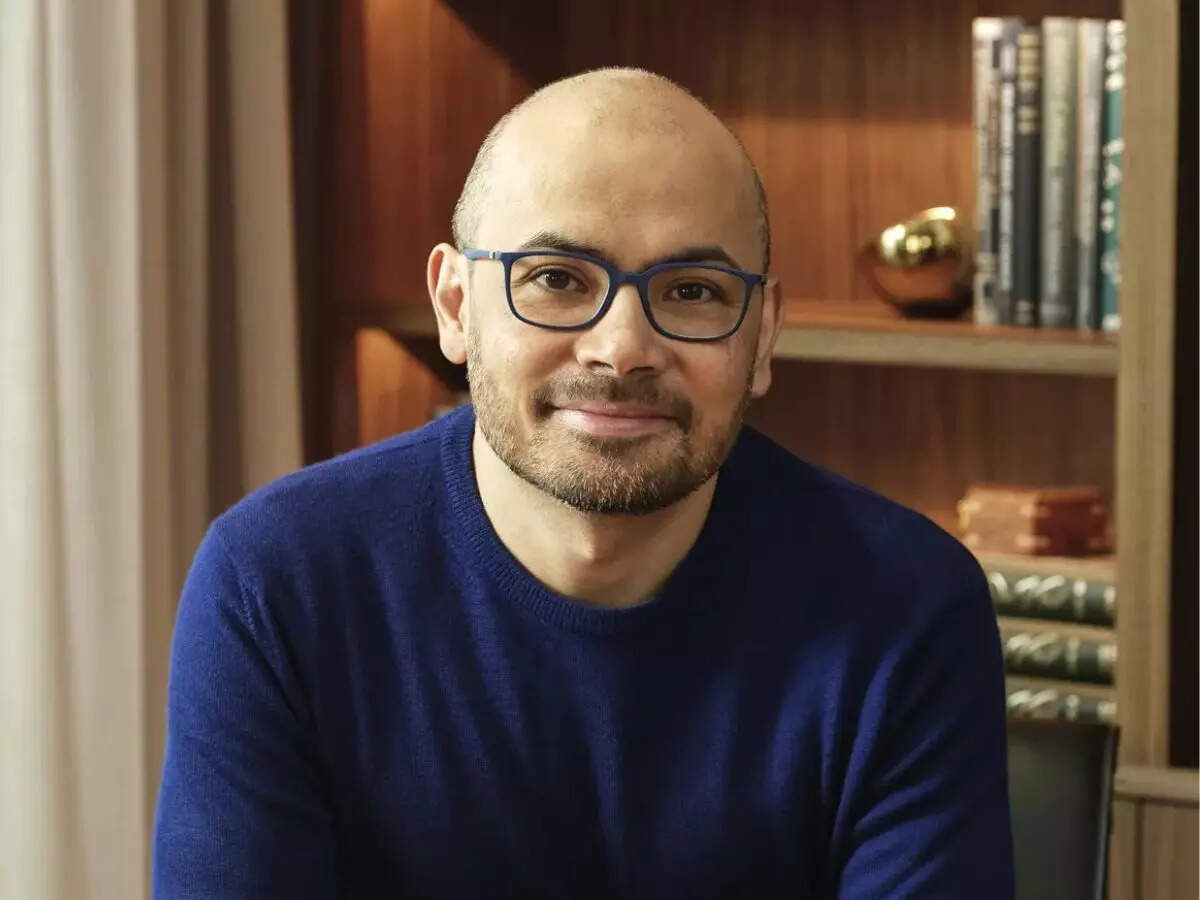
Demis Hassabis — Artificial Intelligence / Science
Demis Hassabis is CEO of Google DeepMind and widely regarded as one of the most significant figures in AI research history. He co-founded DeepMind in London in 2010 with a mission to solve intelligence and benefit humanity; Google acquired it in 2014. Under Hassabis, DeepMind produced AlphaGo, which defeated the world's best Go player, and AlphaFold, which predicted three-dimensional structures of virtually all known proteins, described by leading scientists as one of biology's greatest contributions in decades. He was awarded the Nobel Prize in Chemistry in 2024 for AlphaFold's protein structure prediction contribution. A former chess prodigy and video game designer who holds a PhD in cognitive neuroscience from University College London, he brings an unusually eclectic intellectual background to leading one of the world's most consequential scientific research organisations within a major commercial technology company.
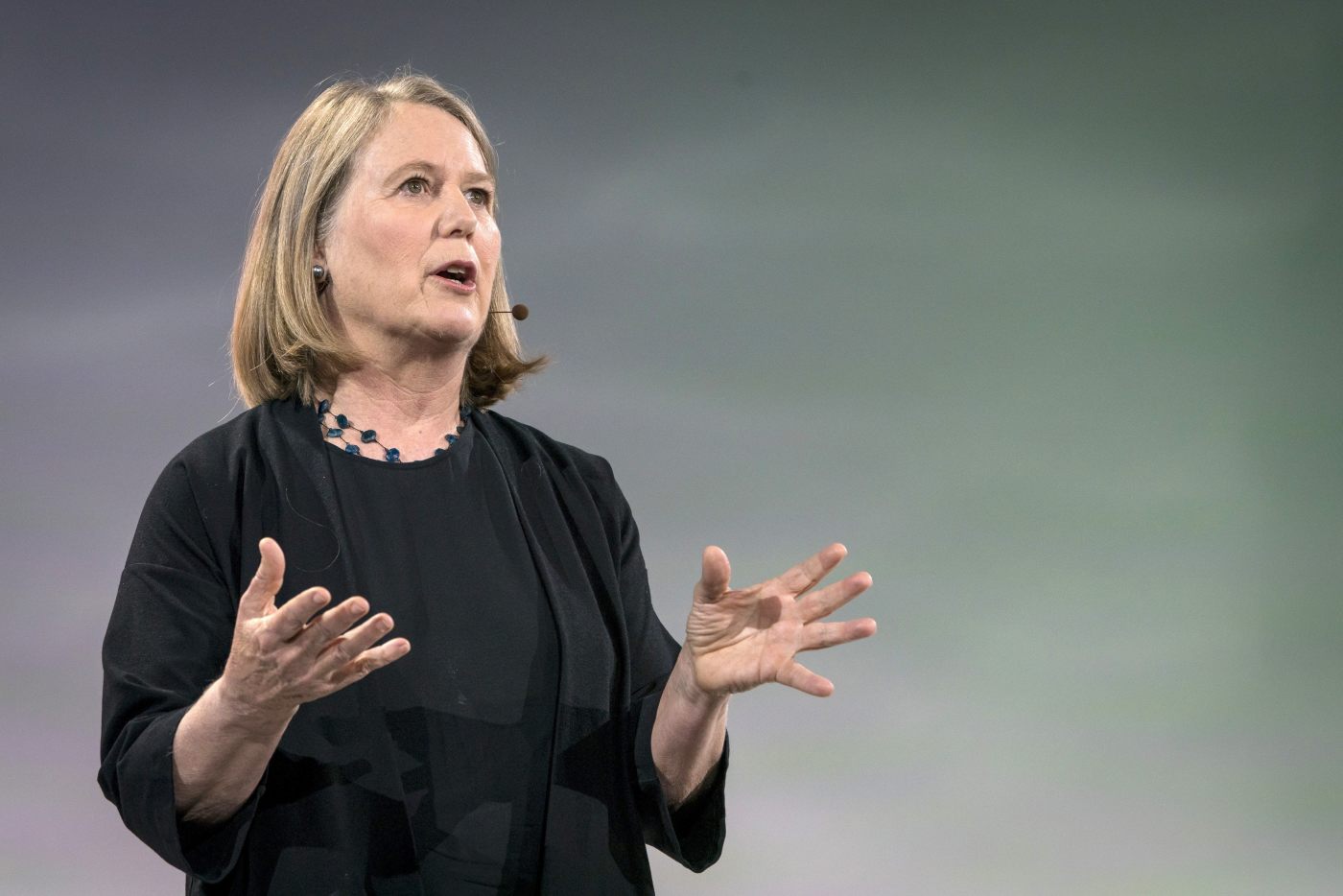
Diane Greene — Technology / Cloud Computing
Diane Greene co-founded VMware in 1998, creating the market for virtualisation software that laid foundational infrastructure for modern cloud computing. She led VMware through its transformation into a multi-billion dollar enterprise software company. She subsequently founded cloud startup Bebop, acquired by Google in 2015, leading to her appointment as CEO of Google Cloud, which she led from 2016 to 2019, setting the strategic direction for what became a major competitive force in cloud computing. One of very few people to have founded a company that fundamentally changed computing infrastructure and then led a major cloud business at a global technology giant, she has been an active investor and board member including at MIT since leaving Google. In 2026, her career spanning the full arc of software and cloud revolutions gives her perspective that is sought across the industry, making her one of the more experienced and knowledgeable figures in enterprise technology.
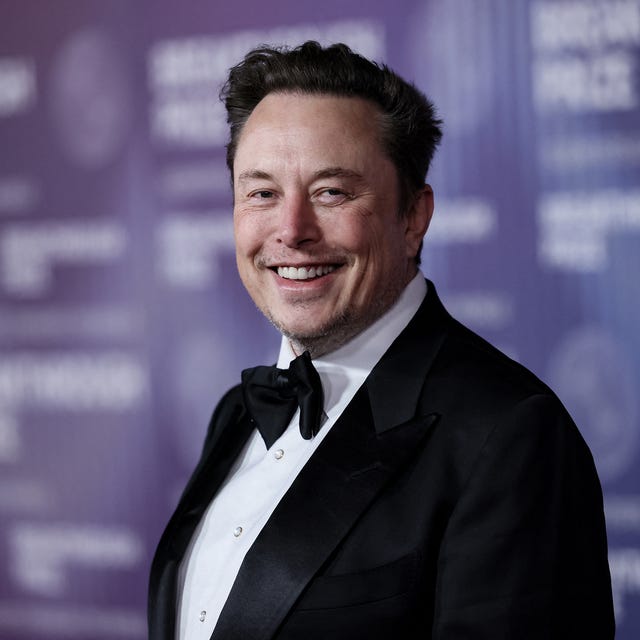
Elon Musk — Technology / Space / Automotive
Elon Musk simultaneously leads Tesla, SpaceX, and X, and holds significant influence over xAI, Neuralink, and The Boring Company, with a net worth that remains the largest ever recorded. SpaceX has fundamentally restructured the economics of orbital launch, making reusable rockets commercially viable and securing NASA contracts previously held by legacy aerospace contractors; its planned IPO is now among the most closely watched events in global markets. Tesla remains the most recognised electric vehicle brand globally despite intensifying Chinese competition, and his acquisition and rebranding of Twitter as X reshaped the platform's role in public discourse. In early 2025 Musk took a high-profile role leading the Department of Government Efficiency, but the experience ended within months after a public falling-out with President Trump. He has since re-entered the political arena ahead of the 2026 midterm elections while refocusing on his companies. In 2026, he remains among the most consequential and closely watched figures in global business, with influence spanning technology, space, automotive, and public life.
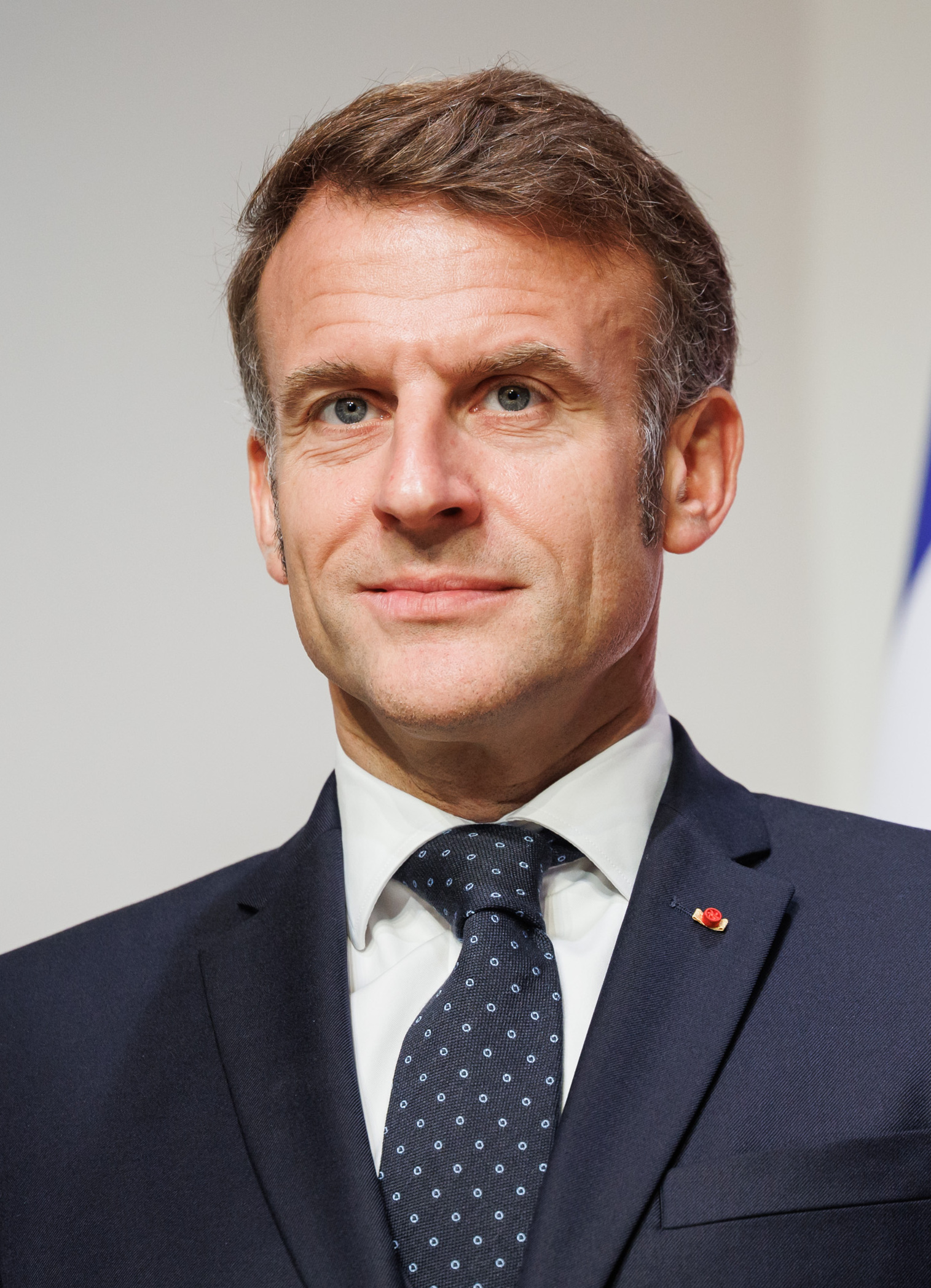
Emmanuel Macron — Politics / Government
Emmanuel Macron has been President of France since 2017, among Europe's longest-serving current heads of state and one of its most active diplomatic voices. A former investment banker and economy minister who founded his own political movement before winning the presidency at thirty-nine, he has pursued European strategic autonomy on defence, transatlantic relations, and Ukraine. Macron has maintained direct diplomatic relationships with Russia, China, and the United States simultaneously, a balancing act generating both admiration and criticism. His domestically contested recent presidency has not diminished his international profile. In 2026, France holds the European Union's rotating council presidency and Macron is among the most active proponents of European industrial and defence policy reform. His influence on European integration's trajectory in coming years remains one of the more significant and genuinely open questions in global geopolitics.
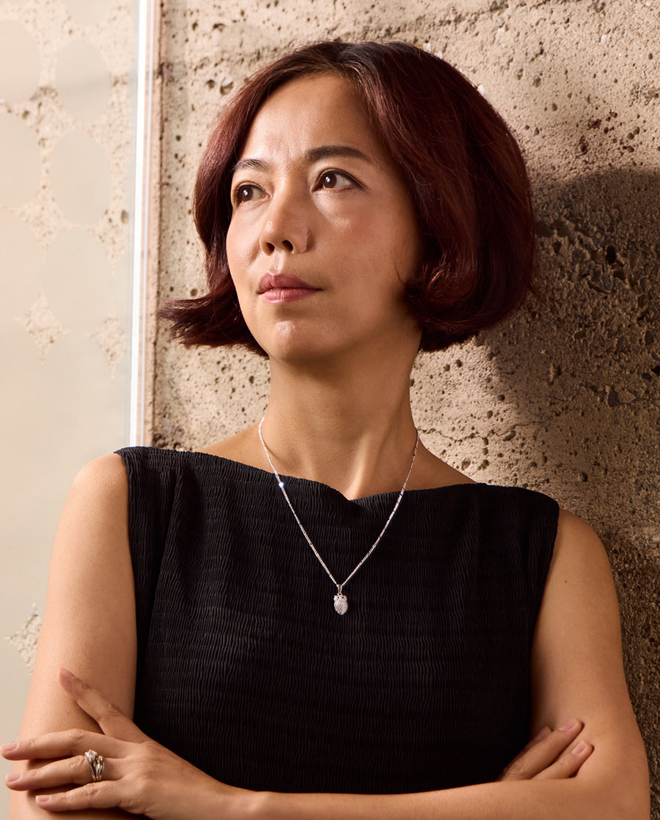
Fei-fei Li — Artificial Intelligence / Academia
Fei-Fei Li is among the most influential figures in AI history, best known for creating ImageNet, the massive labelled image database developed at Princeton that became the training ground for the deep learning revolution transforming computer vision from the mid-2010s onward. The annual ImageNet competition she organised from 2010 is widely credited as a catalyst for current AI progress. She holds a PhD from Caltech and is a professor at Stanford, co-directing the Human-Centered AI Institute ensuring AI development incorporates human values and social impact. She served as Chief Scientist of AI at Google Cloud from 2017 to 2018. Author of the widely read memoir The Worlds I See, describing her journey from immigrating to the United States as a teenager to becoming one of the world's most respected AI scientists, in 2026 she remains a significant voice on AI ethics, safety, and the conditions for beneficial development.
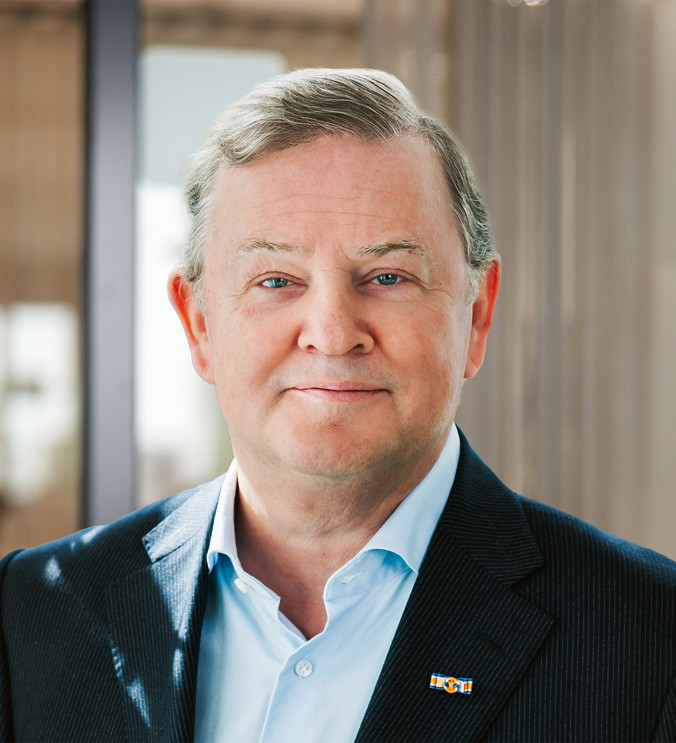
Feike Sijbesma — Sustainability / Industry
Feike Sijbesma served as CEO of Royal DSM from 2007 to 2020, using that platform to become one of the most outspoken corporate advocates for redefining what business is for. Under his leadership, DSM transformed from a bulk chemicals company into a purpose-driven nutrition and health sciences business. He coined the term purpose-led, performance-driven long before it became corporate commonplace, and consistently argued that companies existing solely to generate shareholder returns are failing their wider obligations. Since leaving the CEO role, he has pursued a second career advocating for climate action, food systems reform, and renegotiating capitalism's social contract, serving on multiple international advisory bodies. In 2026, he is one of the most credible voices at the intersection of business and climate policy, precisely because his advocacy is grounded in two decades of actually running a major global company rather than merely advising one.
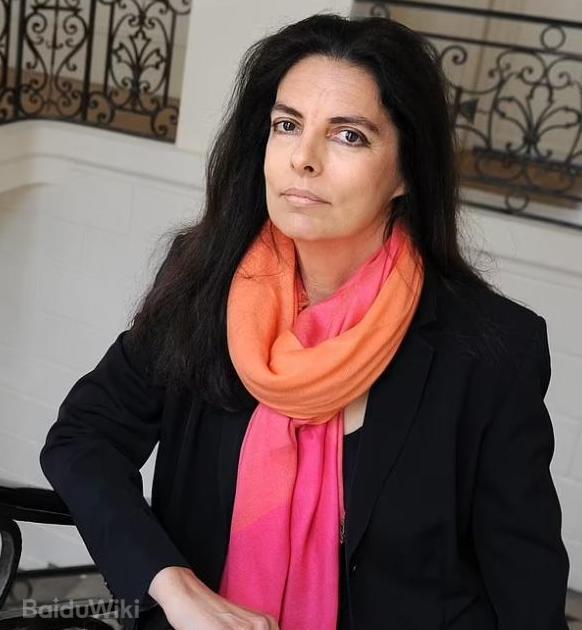
Francoise Bettencourt Meyers — Beauty / Consumer Goods
Francoise Bettencourt Meyers is the granddaughter of L'Oreal founder Eugene Schueller and chair of the Bettencourt Meyers family holding company, L'Oreal's largest shareholder. She became the world's wealthiest woman in 2021 and in 2023 the first woman to accumulate a net worth of $100 billion. Unlike many heirs of comparable wealth, she is substantive in her own right: a published author on Greek mythology and a serious musician who has released piano compositions she wrote. She oversees the Bettencourt Schueller Foundation, one of France's most significant private foundations, supporting scientific research, cultural heritage, and artistic creation. L'Oreal, of which she is chair, remains the world's largest beauty company. In 2026, her combination of ownership influence over a global consumer goods leader, serious philanthropic activity, and personal intellectual and artistic seriousness distinguishes her from most individuals of equivalent financial scale.
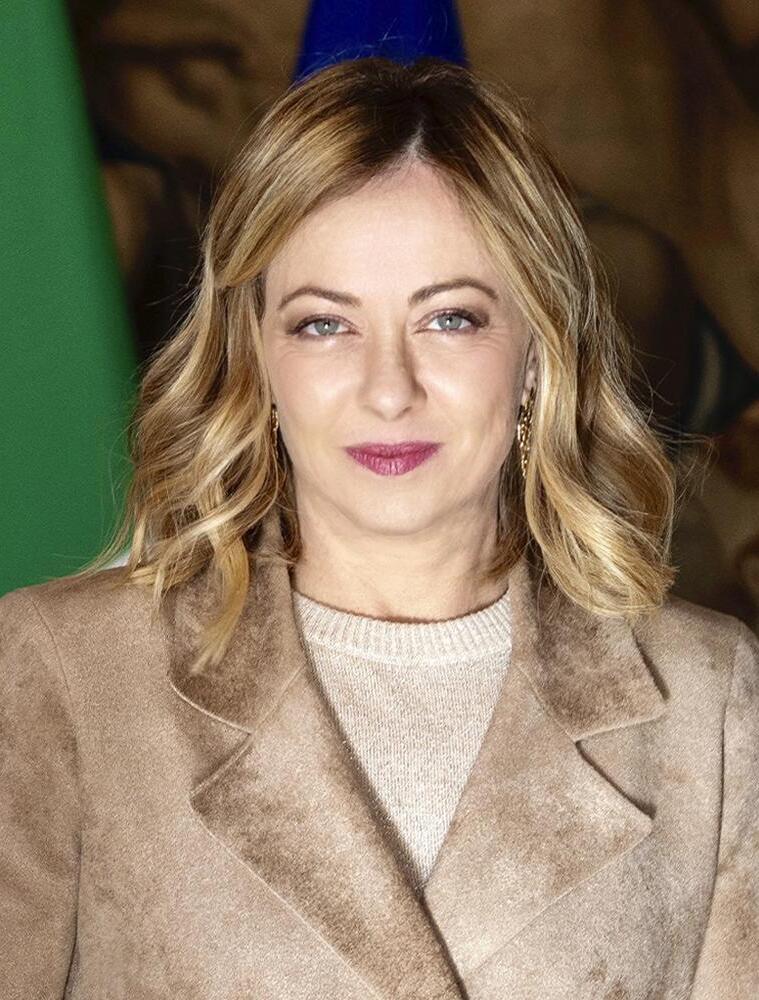
Giorgia Meloni — Politics / Government
Giorgia Meloni became Prime Minister of Italy in October 2022, the first woman to hold the position in Italian history. A lifelong political figure who has risen through Italy's conservative movement, she has positioned her leadership as a defence of national sovereignty and Italian identity within the EU framework. Her government has maintained Italy's support for Ukraine and NATO commitments while pushing back on EU migration and fiscal policy, making her a more pragmatic Brussels figure than critics initially anticipated. She has developed a notably close relationship with Elon Musk, attracting significant commentary across Europe and the United States. As leader of the eurozone's third-largest economy under significant fiscal pressure, her management of Italy's debt trajectory and relationship with European institutions is watched closely by bond markets, policymakers, and international investors assessing the stability of European sovereign debt.
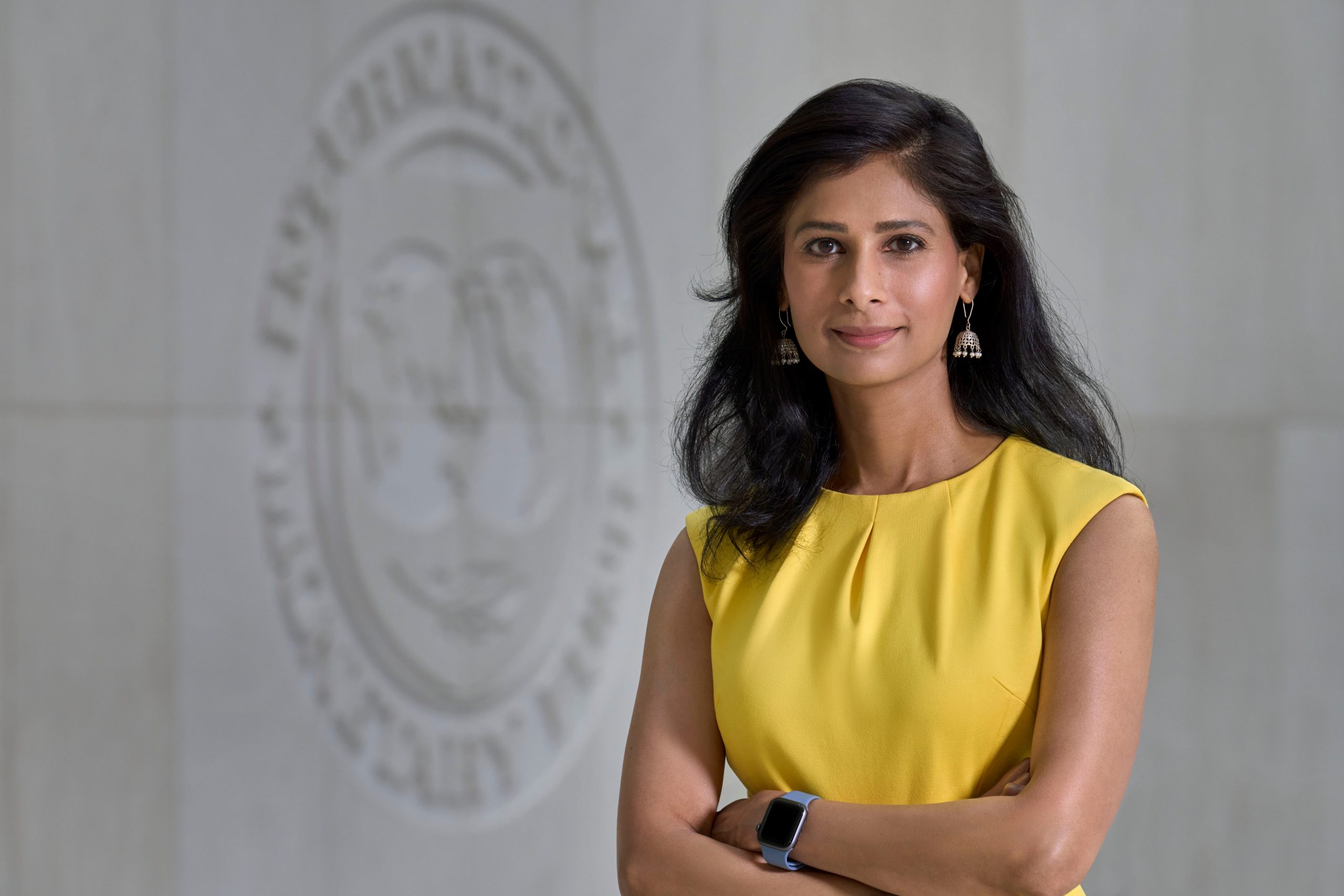
Gita Gopinath — Economics / International Finance
Gita Gopinath is among the most influential economists of her generation, having served as First Deputy Managing Director of the International Monetary Fund, the institution's second-highest position, before returning to Harvard on September 1, 2025, as the inaugural Gregory and Ania Coffey Professor of Economics. An Indian-American economist with a PhD from Princeton, she joined the IMF as its first female Chief Economist in 2019, leading the Fund's analysis through the COVID-19 pandemic, and was elevated to First Deputy Managing Director in 2022, where she oversaw multilateral surveillance and the Fund's work on debt, trade, and monetary policy across 190 member countries. The timing of her departure surprised many inside the Fund and appears to have been her own decision. Recognised consistently on Forbes' most powerful women list, she now returns to the research frontier in international finance and macroeconomics. In 2026, from her academic perch, her voice on sovereign debt, currency volatility, and the fiscal consequences of climate transition continues to carry exceptional weight in the global economic conversation.
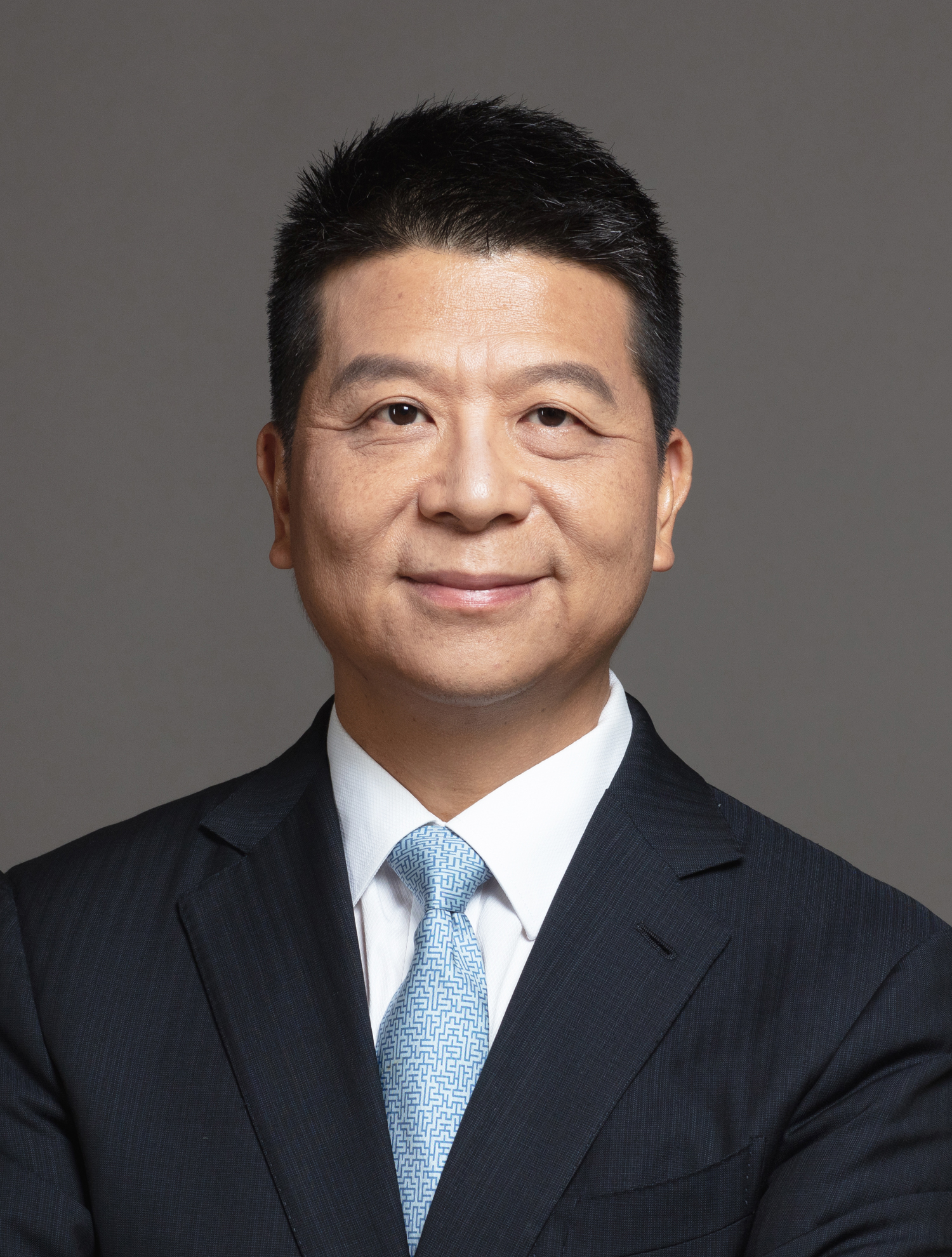
Guo Ping — Technology / Telecommunications
Guo Ping is one of three rotating chairmen of Huawei, the Chinese technology and telecommunications giant, and the most internationally visible among them. With Huawei since 1988, he has held senior roles across finance, IT, and corporate strategy. During his leadership periods, Huawei has navigated one of the most extraordinary corporate challenges of the era: operating a global technology business under US export controls restricting access to leading-edge semiconductors. Huawei's response has included developing domestic chip capabilities through HiSilicon and pivoting toward enterprise and cloud services. Guo has been a particularly active public voice arguing that restrictions on Huawei are economically and strategically misguided. In 2026, Huawei's continued viability and domestic strength despite sustained external pressure is a significant data point in the global technology competition narrative, demonstrating that determined industrial policy can partially substitute for access to foreign technology.
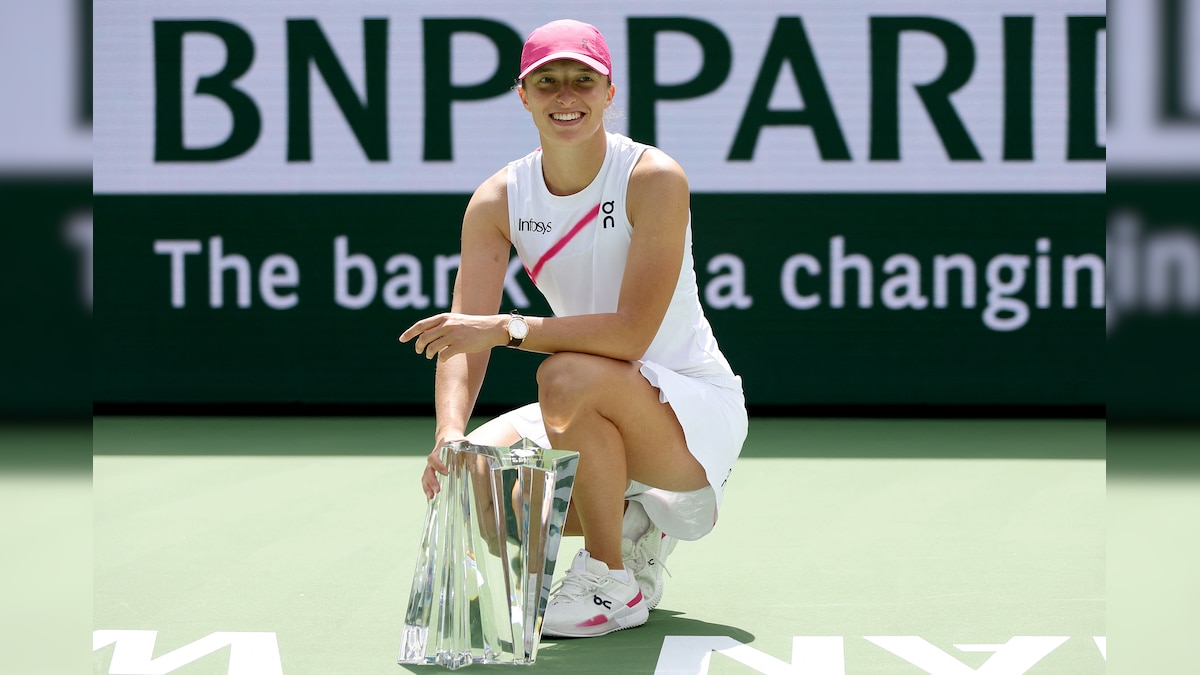
Iga Swiatek — Sport / Culture
Iga Świątek is a Polish professional tennis player who has dominated women's tennis to a degree not seen since Serena Williams at her peak. Born in Warsaw in 2001, she won her first Grand Slam at the French Open in 2020 and has since built a record of six major titles, spending an extraordinary number of consecutive weeks at world number one. Her 2025 Wimbledon victory, sealed without dropping a game in the final, made her the only active woman to have won Grand Slam titles on all three surfaces: clay, hard and grass. Her game combines exceptional physical conditioning, tactical sophistication, and mental resilience setting her apart from a highly competitive field. She works with a sports psychologist as an integrated coaching team member, publicly normalising mental performance support in elite sport. A vocal advocate regarding the war in Ukraine, she has worn a ribbon in Ukrainian colours at tournaments as public solidarity. In 2026, her competitive record, personal authenticity, and willingness to engage with issues beyond sport make her one of the most significant sporting figures globally.
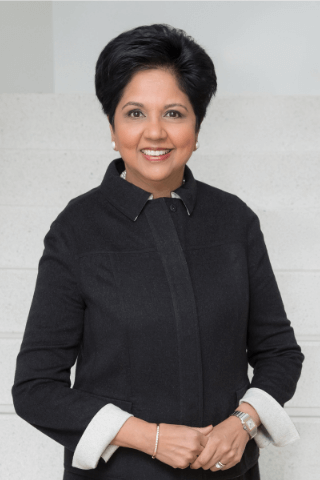
Indra Nooyi — Consumer Goods / Leadership
Indra Nooyi served as CEO of PepsiCo from 2006 to 2018, transforming the company through her strategy of Performance with Purpose, linking business results to healthier products and reduced environmental impact. Born in Chennai, India, she studied at IIM Calcutta before earning a graduate degree from Yale. Under her leadership, PepsiCo's revenues grew from approximately $35 billion to $63 billion. Among the first Fortune 500 CEOs to speak publicly about the difficulty of combining executive leadership with family responsibilities, she reframed it as a systemic rather than personal challenge. Since leaving PepsiCo, she has served on Amazon's board, joined New Enterprise Associates, and published a widely read memoir. In 2026, she remains one of the most referenced figures in discussions of leadership development, corporate purpose, and diversity in executive ranks, her voice carrying significant weight in global business conversations despite no longer holding an operational role.
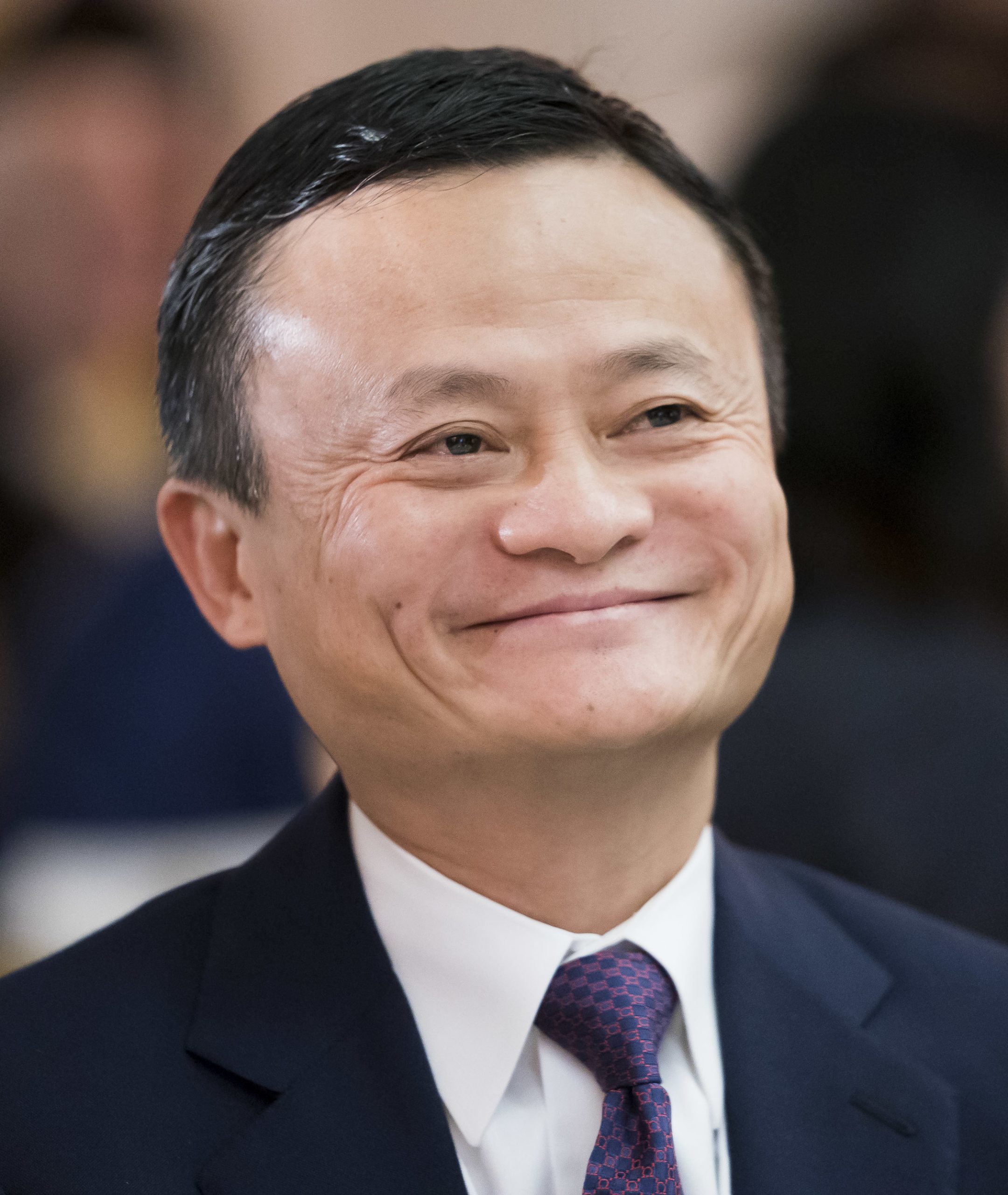
Jack Ma — Technology / E-commerce
Jack Ma founded Alibaba in 1999 in his Hangzhou apartment and built it into one of the world's largest e-commerce and technology conglomerates, transforming commerce and digital payments across China and beyond. His trajectory from English teacher to founder of a company worth over $800 billion at its peak is one of the most celebrated entrepreneurial stories of the 21st century. Ma stepped down as executive chairman in 2019 but remained influential, as Alibaba navigated a significant period of regulatory and structural change. In 2026, his influence within China's technology sector is considerably reduced from its peak, but his story continues defining global narratives about entrepreneurial ambition, the possibilities of the digital economy, and its complex relationship with political authority in the world's second-largest economy.
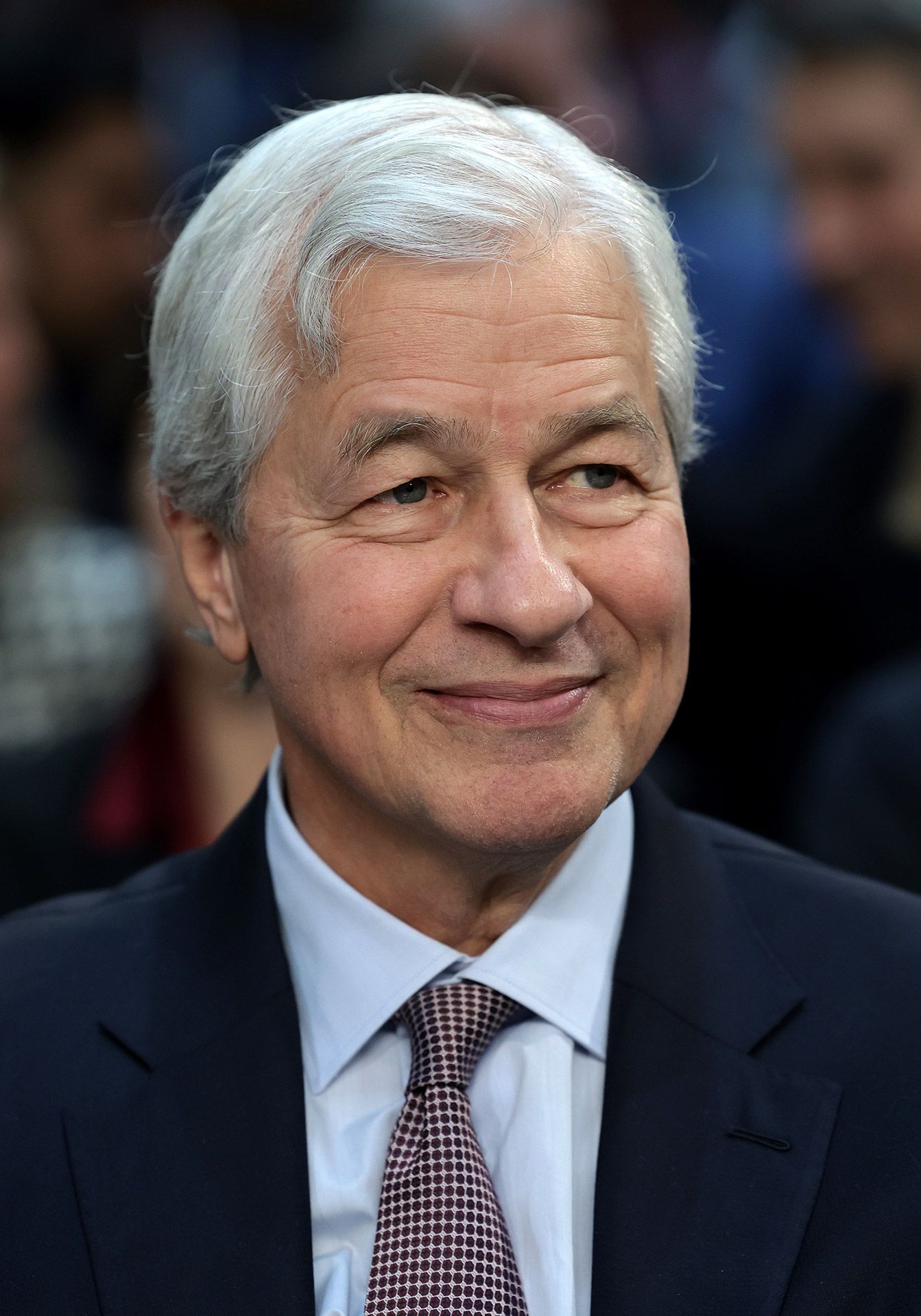
Jamie Dimon — Finance / Banking
Jamie Dimon has led JPMorgan Chase since 2005, making him by far the longest-serving CEO of any major global bank. Under his leadership, JPMorgan Chase has grown into the largest US bank with assets exceeding $4 trillion. He navigated the 2008 financial crisis, during which JPMorgan was widely seen as the most prudently managed major US bank, followed by the pandemic and aggressive interest rate changes. His annual shareholder letter has become one of global business's most widely read documents, generating significant commentary on banking, regulation, geopolitics, and the economy. Consistently outspoken on government regulation, market structure, and geopolitical risk, Dimon has positioned himself as a major business statesman as much as a banker. In 2026, having survived a cancer diagnosis and maintained his position through significant pressure, he is one of the most durable and influential figures in global business leadership, his views closely tracked by markets and policymakers.
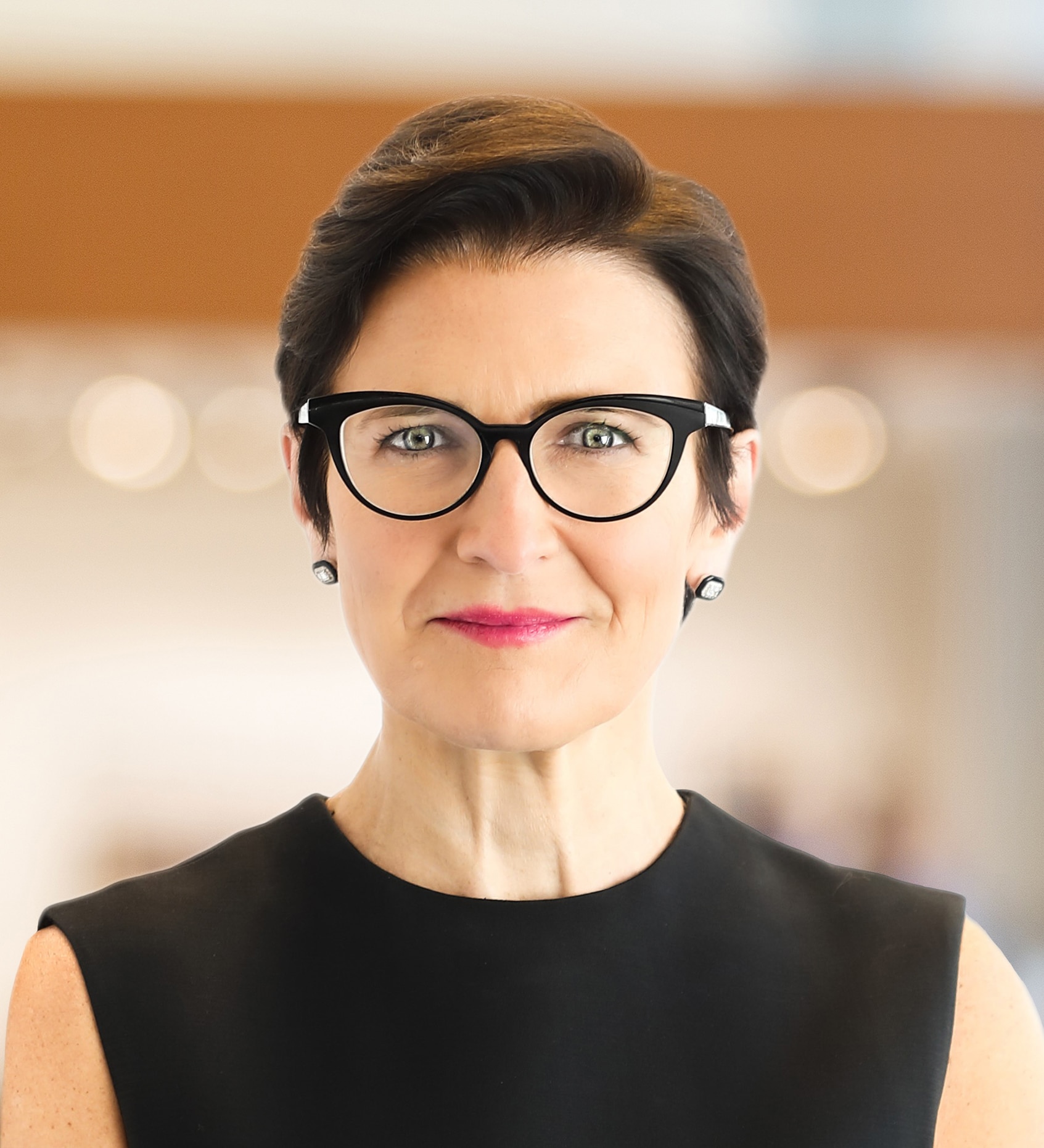
Jane Fraser — Finance / Banking
Jane Fraser became CEO of Citigroup in February 2021, the first woman to lead a major Wall Street bank, and was named Chair of the board in October 2025, consolidating both roles as the firm's transformation gathered pace. A Scottish-born economist and Harvard Business School graduate, she inherited an institution widely regarded as the most complex and underperforming of major US banks. Her response has been a sweeping simplification programme: selling consumer banking businesses across Asia and Europe, eliminating management layers, and focusing Citi on five core businesses where it has genuine global competitive advantage. She has executed with unusual transparency, acknowledging the scale of the challenge publicly rather than managing expectations in the typical Wall Street manner. In 2026, with the bank reporting record revenues and steadily improving returns, Fraser is regarded as one of the most consequential figures in global banking, her diplomatic engagement with major economies including India reflecting the breadth of responsibility involved in running one of the world's most globally connected financial institutions.
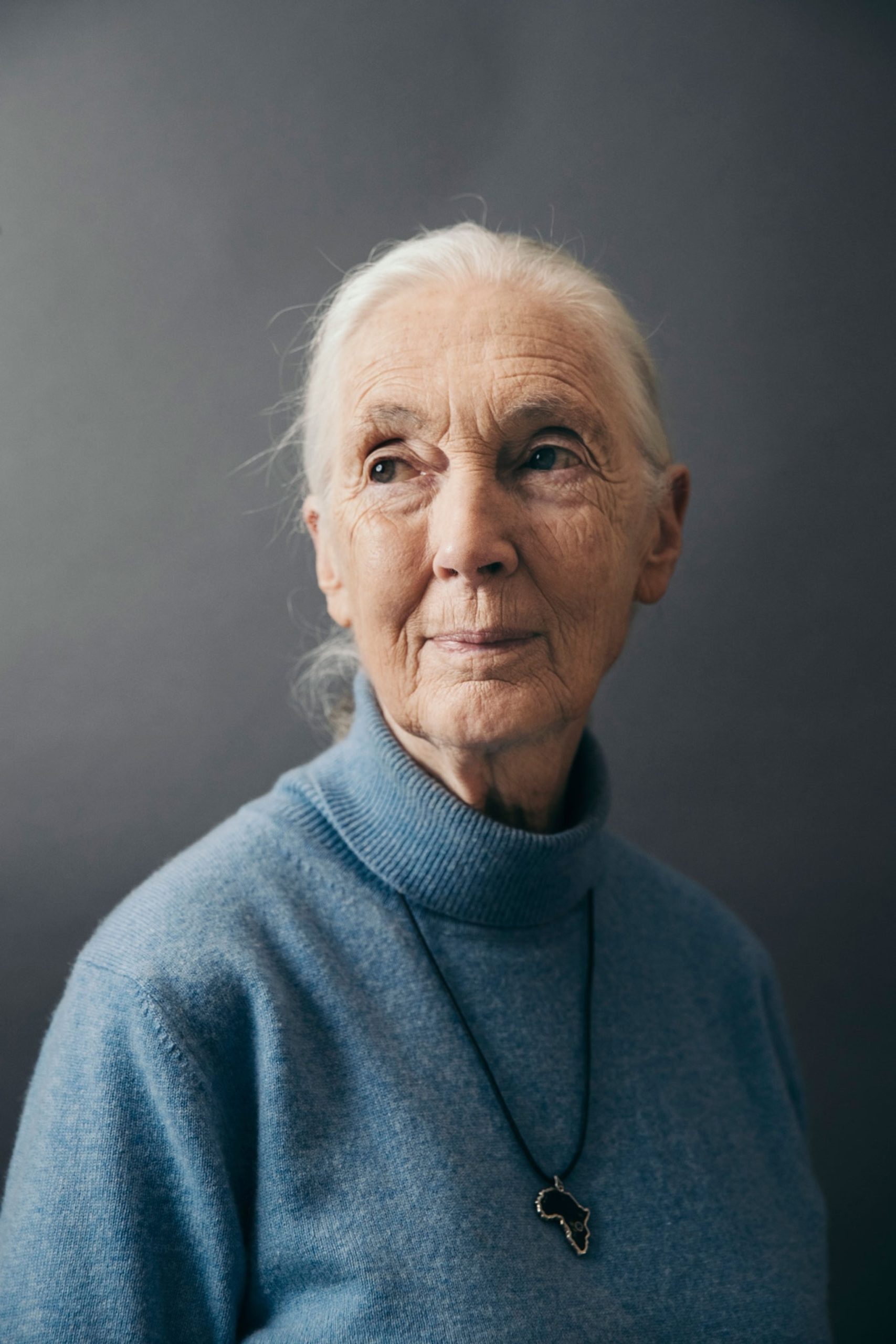
Jane Goodall — Conservation / Science
Jane Goodall, one of the world's most recognised scientists and conservationists, died on October 1, 2025, at the age of 91, passing of natural causes while on a speaking tour in the United States. Her six decades of work on chimpanzee behaviour and environmental advocacy gave her a moral authority few scientists ever attain. Beginning her landmark study of wild chimpanzees in Gombe, Tanzania in 1960, she documented tool use among chimpanzees when that capability was considered exclusively human, fundamentally changing scientific understanding of primates and of the relationship between humans and other animals. She founded the Jane Goodall Institute in 1977 and established Roots & Shoots, a youth environmental programme now active in more than sixty countries. Appointed a United Nations Messenger of Peace in 2002, she received the United States' Presidential Medal of Freedom in 2025. Remarkably, she remained on the road nearly 300 days a year into her final months. We include her in this edition not as a leader of the present but as one whose example continues to shape it: proof that scientific rigour and stubborn hope are not opposites but partners.
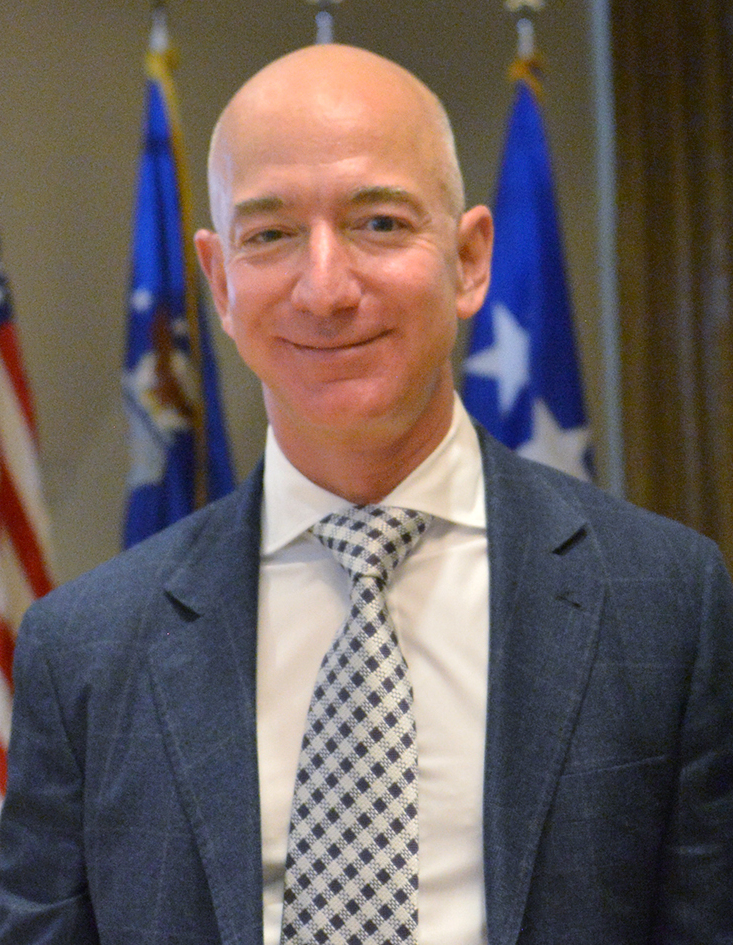
Jeff Bezos — Technology / Space / Media
Jeff Bezos founded Amazon in 1994 and over three decades built it into one of the most transformative companies in commercial history, reshaping retail, cloud computing, logistics, and media before stepping down as CEO in 2021 to become Executive Chairman. Since the transition, he has focused significant energy and capital on Blue Origin, his commercial space company, which has accelerated its launch programme and secured NASA contracts for lunar lander development. He also owns The Washington Post, acquired in 2013 for $250 million. Bezos is known for highly influential mental models that shaped Amazon's culture: working backwards from the customer, the two-pizza team rule for organisational design, and distinguishing reversible from irreversible decisions as a delegation framework. In 2026, his primary focus on space reflects a long-term conviction that humanity's future depends on becoming multi-planetary and that building that foundational infrastructure is his most important remaining contribution.
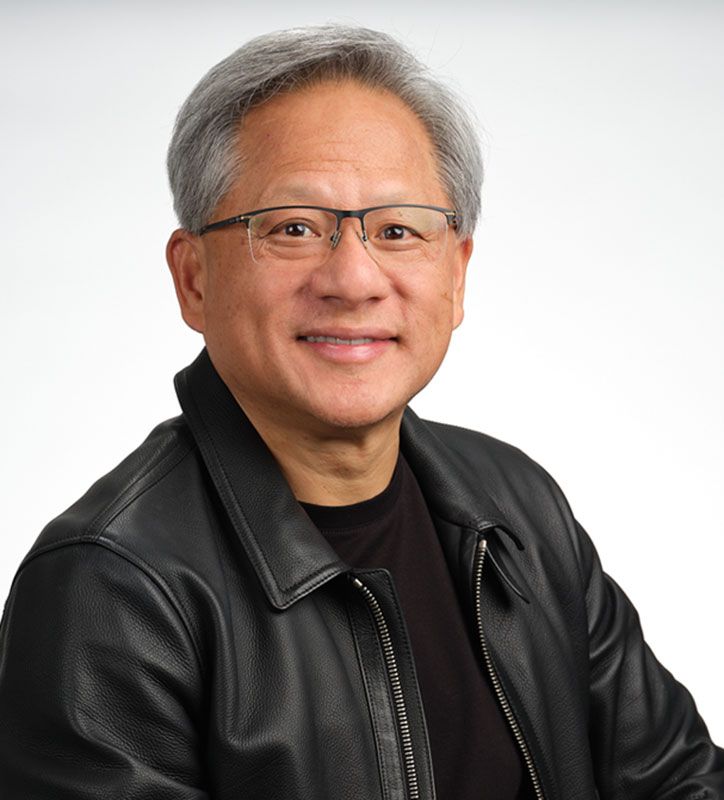
Jensen Huang — Technology / Semiconductors
Jensen Huang co-founded Nvidia in 1993 and has led it since, overseeing a company that began as a graphics chip maker and became the most strategically important semiconductor company in the world by the mid-2020s. Nvidia's graphics processing units, originally designed for video game rendering, proved uniquely suited to the parallel computation required for training AI models, a convergence Huang recognised and positioned for years before the AI investment wave made it obvious to the broader market. In 2024, Nvidia briefly became the world's most valuable company by market capitalisation. Known for a leadership style combining intense technical depth with the ability to communicate vision across engineering culture and investor expectations, and for his signature black leather jacket at keynotes, Huang has become a cultural symbol of the AI industry era. In 2026, with the AI infrastructure build-out continuing at scale, Nvidia's central position in global compute supply makes him one of his generation's most consequential technology executives.
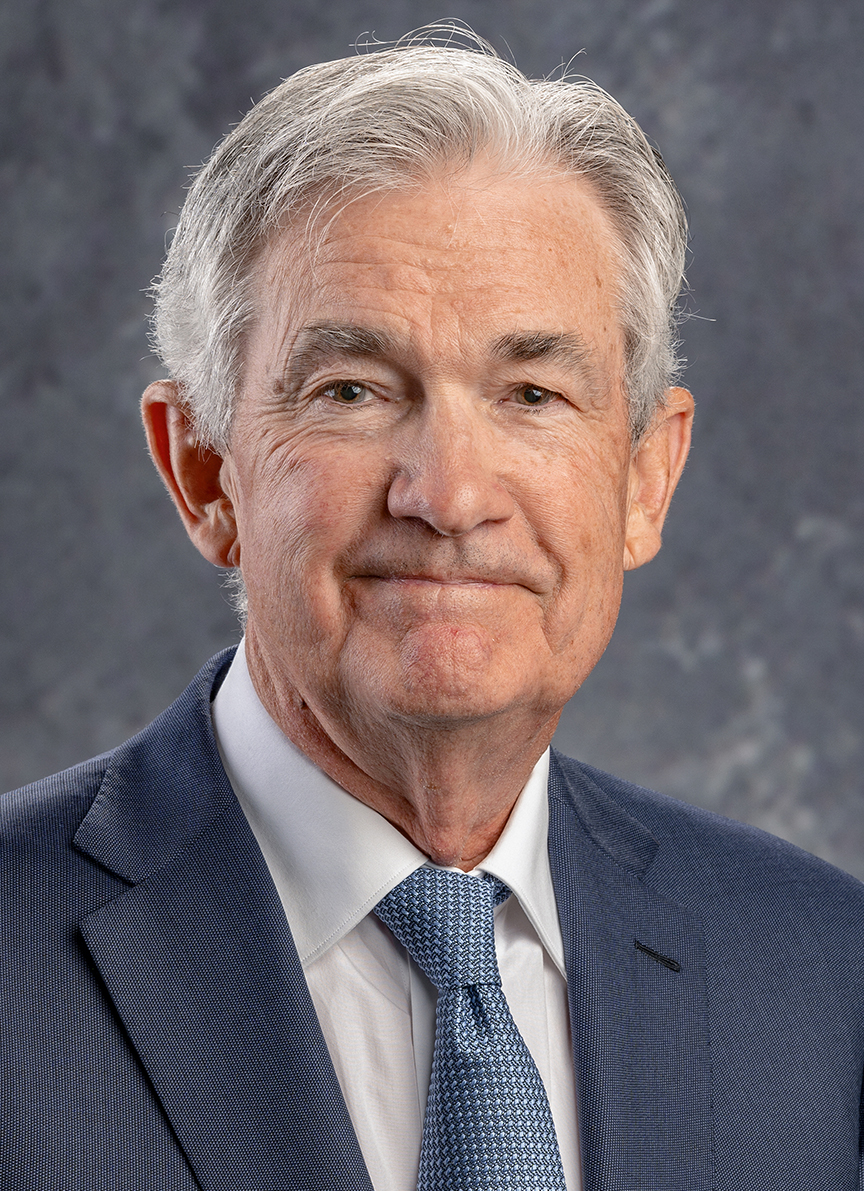
Jerome Powell — Finance / Monetary Policy
Jerome Powell served as Chair of the US Federal Reserve from 2018 to May 2026, appointed by President Trump and reappointed by President Biden, a bipartisan endorsement reflecting institutional independence norms. A lawyer and former investment banker, he led the Federal Reserve through the COVID-19 economic shock and the subsequent inflation surge that prompted the fastest US rate tightening cycle in four decades. His management of inflation, which peaked at over nine percent in 2022 before returning toward the two percent target without triggering a recession, has been broadly assessed as one of the more successful inflation-fighting episodes in modern central banking history. He is known for deliberately clear and calibrated communication, translating complex monetary policy decisions into terms that markets and the public can act on. He continued to serve as a Federal Reserve Governor following his departure from the Chair role, maintaining his place on the Board while Kevin Warsh assumed leadership of the institution.
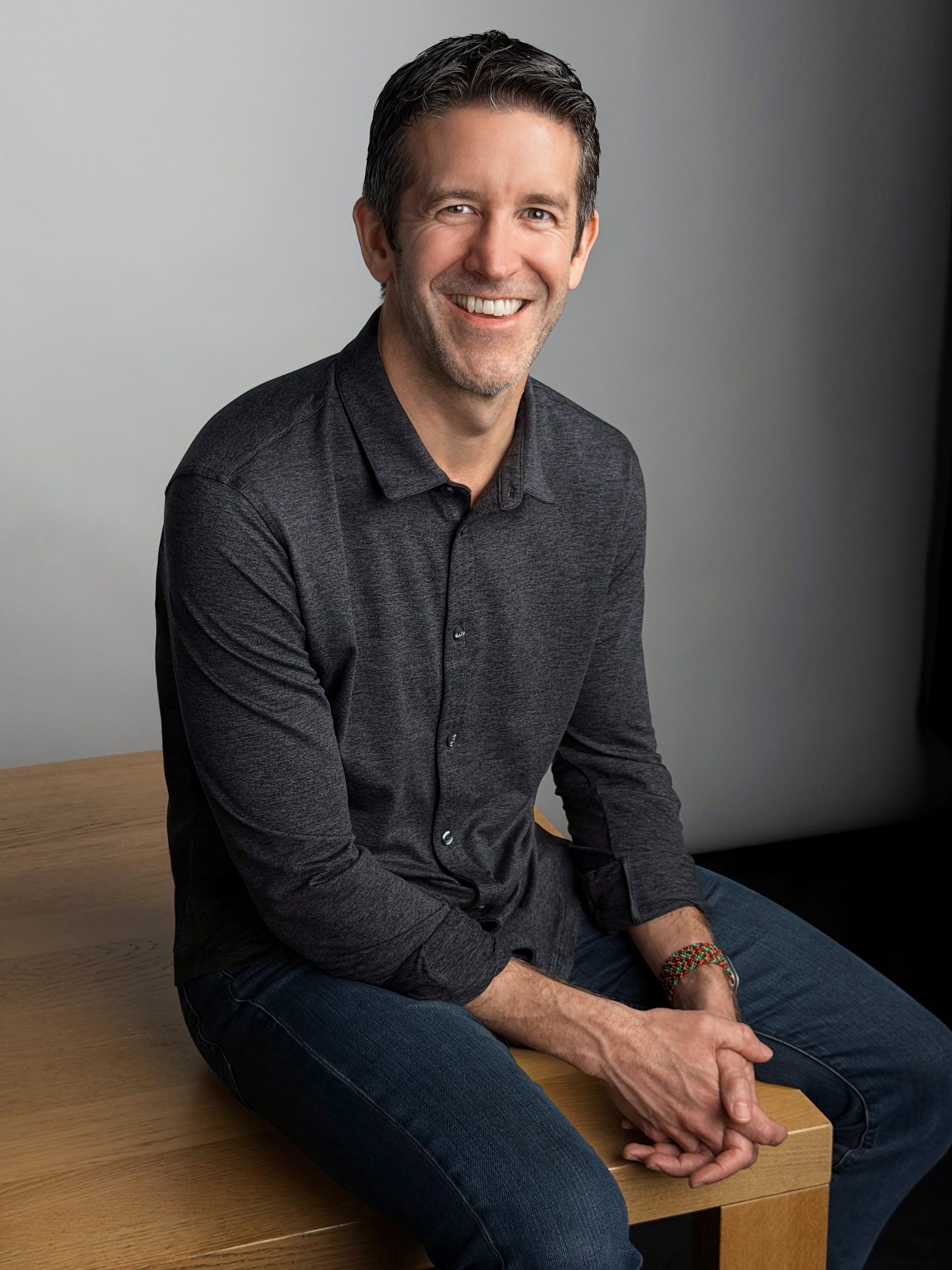
John Ternus — Technology / Consumer Electronics
John Ternus will become CEO of Apple on September 1, 2026, succeeding Tim Cook in the most closely watched CEO transition in technology in over a decade. Joining Apple in 2001, he has spent his entire professional career at the company, rising to Senior Vice President of Hardware Engineering with oversight of the iPhone, iPad, Mac, Apple Watch, and Vision Pro product lines. Known within Apple as a rigorous and demanding engineering leader with deep personal involvement in product development and a collaborative style earning strong internal respect, his appointment continues Apple's tradition of internal succession and engineering-focused leadership. Ternus inherits a company with extraordinary financial strength and a clear strategic challenge: demonstrating that Apple can compete effectively in artificial intelligence where rivals have moved more visibly. In 2026, he has already appeared alongside Cook at key events, a deliberate transition Apple is managing with its characteristic combination of care and discipline.
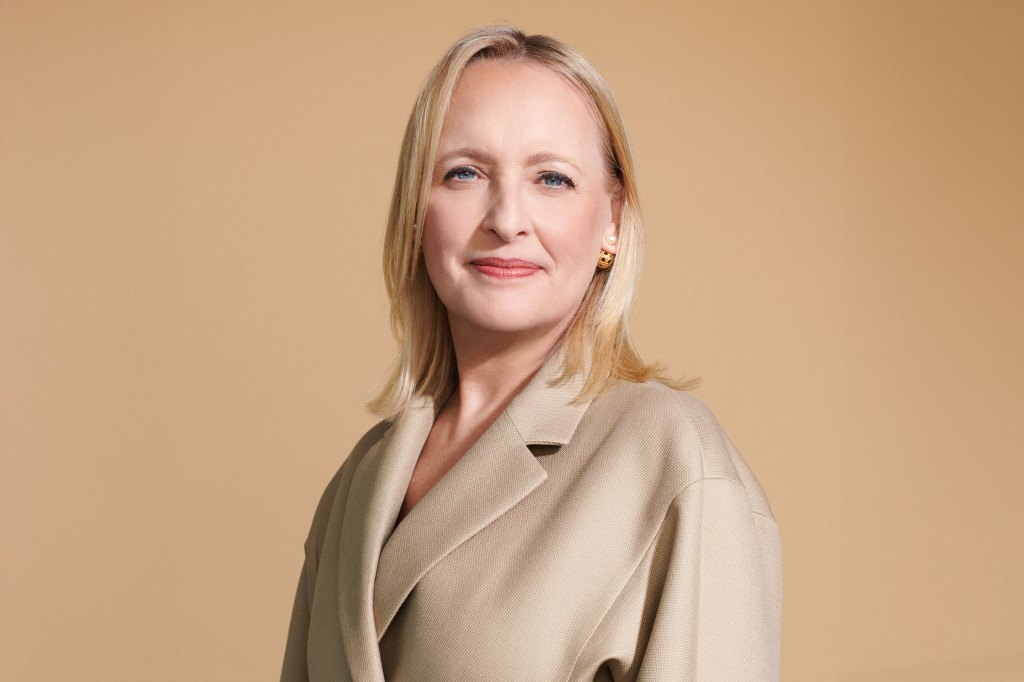
Julie Sweet — Technology / Consulting
Julie Sweet has served as CEO of Accenture since 2019 and Chair since 2021, leading one of the world's largest professional services companies with over 700,000 employees across 120 countries. A lawyer by training who moved from Accenture's legal function into business leadership, she has overseen a strategic repositioning from traditional consulting to technology-led services through more than 150 acquisitions in digital and AI capabilities. Under her leadership, Accenture committed to training all its people in AI, a programme involving 550,000 employees representing one of the largest workforce development initiatives in the corporate world. Particularly vocal about responsible AI adoption, she argues how companies implement AI is as important as whether they do. In 2026, with AI reshaping professional services at speed, her leadership of Accenture's own transformation while simultaneously guiding major global clients through theirs is one of the more demanding and consequential executive challenges in global business.
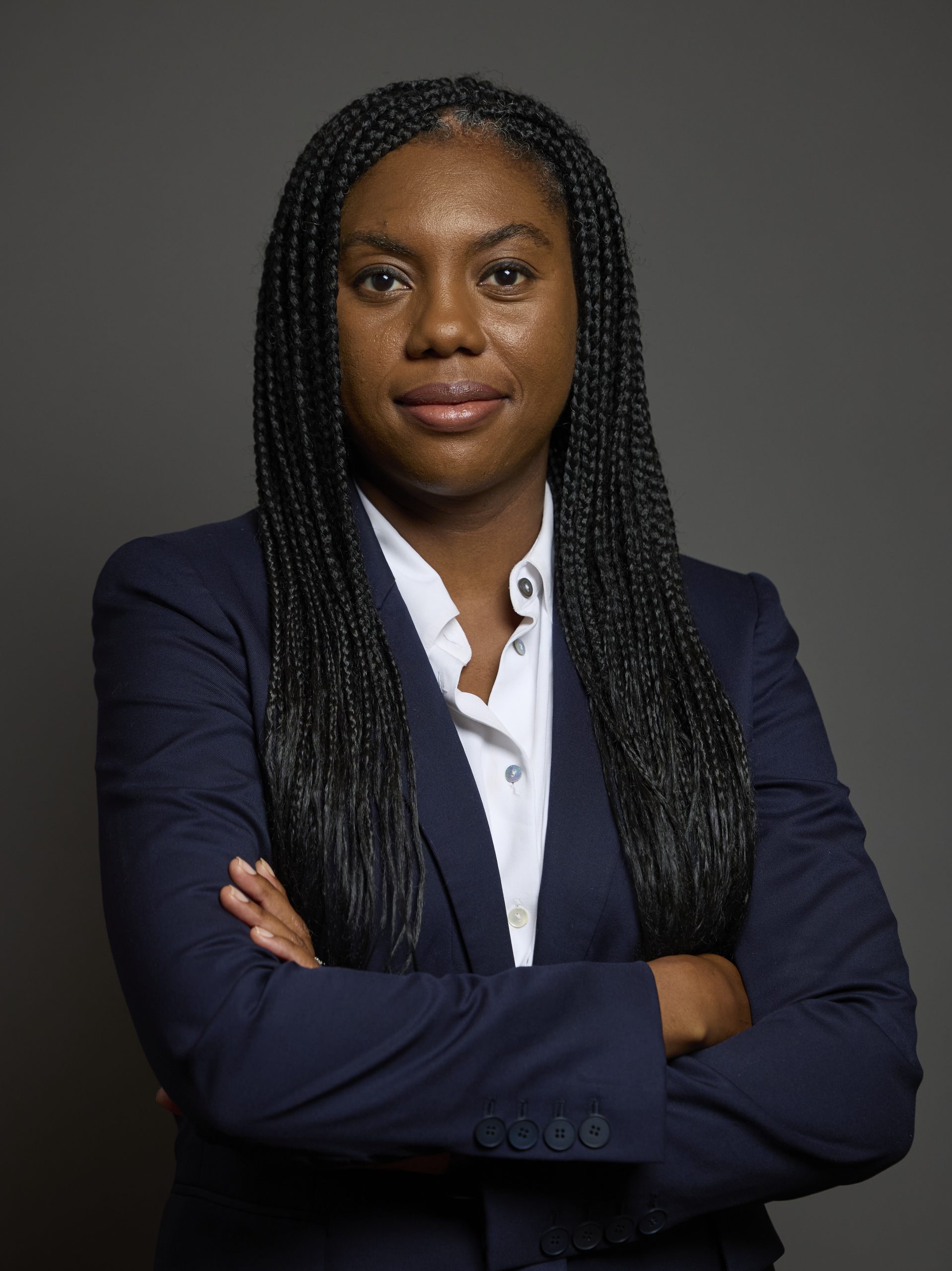
Kemi Badenoch — Politics / Government
Kemi Badenoch became leader of the UK Conservative Party in November 2024, following the party's historic defeat in the July 2024 general election. A British-Nigerian politician born in London who spent part of her childhood in Nigeria and the United States, she served in multiple cabinet positions including Secretary of State for Business and Trade. She has positioned herself as a conservative willing to challenge progressive cultural consensus, taking positions on gender ideology and DEI initiatives that attract both significant support within conservative circles and significant criticism from opponents. Her rise represents an extraordinary personal journey: she came to the UK at sixteen with limited resources and built a career through banking, technology, and politics. As Leader of the Opposition in 2026, she faces rebuilding a party after one of its worst modern electoral defeats while defining a coherent policy platform ahead of the next general election.
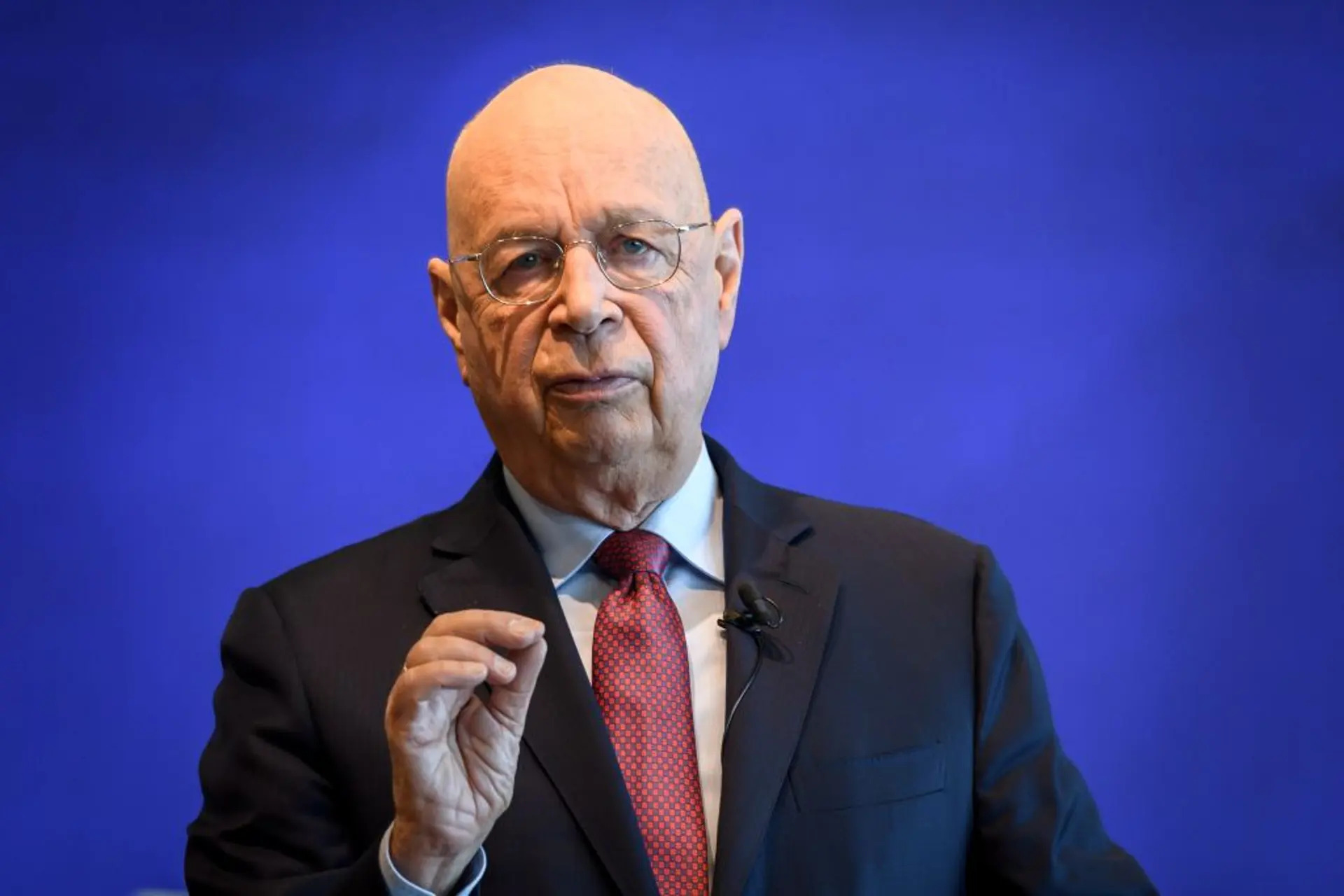
Klaus Schwab — Global Governance / Economics
Klaus Schwab founded the World Economic Forum in 1971 and led it for more than five decades, building it from a European management conference into the most visible annual gathering of global political, business, and civil society leaders in the world. The Davos meeting became shorthand for the intersection of global power and international agenda-setting. His intellectual contributions include the Fourth Industrial Revolution concept and stakeholder capitalism, arguing companies have obligations to employees, communities, and the environment beyond investor returns. In April 2025, Schwab resigned as Chairman of the Board of Trustees with immediate effect, and the Board appointed former Nestlé chairman Peter Brabeck-Letmathe as interim chair while a search for a permanent successor began. His abrupt exit came amid a whistleblower report alleging misuse of Forum funds, which he denied. In 2026, now in his late eighties, Schwab's outsized personal influence has given way to the central question facing the institution he built: whether the WEF can sustain its convening power and sense of mission without its founder at the helm.
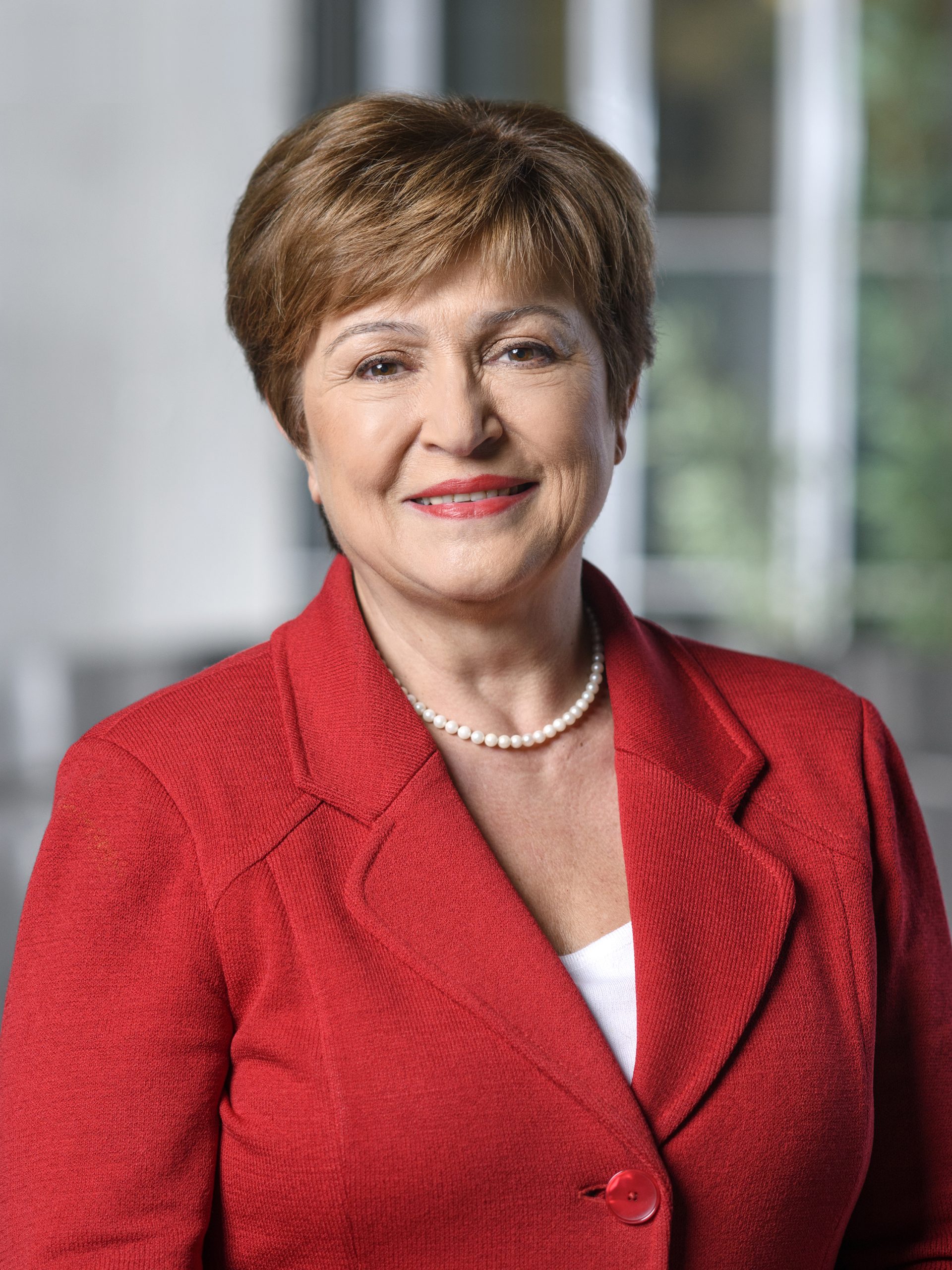
Kristalina Georgieva — International Finance / Economics
Kristalina Georgieva has served as Managing Director of the International Monetary Fund since 2019, leading the institution through COVID-19's economic consequences, the war in Ukraine, and significant sovereign debt stress in emerging markets. Bulgarian by nationality and a development economist by training, she previously served as CEO of the World Bank and as a European Commissioner, giving her unusually broad institutional experience. Under her direction, the IMF provided record financial assistance including a historic $650 billion Special Drawing Rights allocation during the pandemic. She has also pushed to integrate climate risk into the IMF's core surveillance and lending functions, a significant expansion of the institution's traditional mandate. In 2026, she navigates a global economy defined by fragmentation, debt, and fiscal demands of climate transition, known for combining intellectual rigour with an ability to build coalitions across 190 diverse member governments simultaneously.
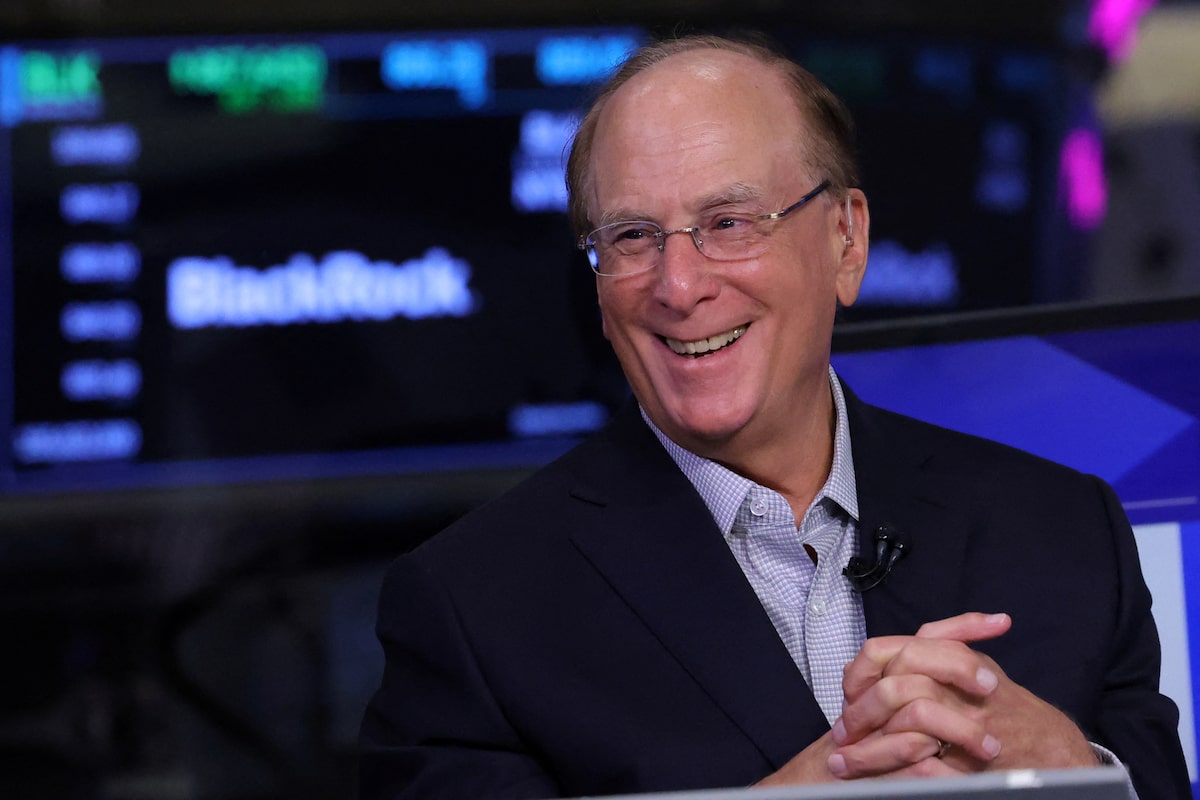
Larry Fink — Finance / Asset Management
Larry Fink co-founded BlackRock in 1988 and has led it to become the world's largest asset management firm, with approximately $11 trillion in assets under management. That scale gives BlackRock, and by extension Fink, an influence over global capital markets without parallel in the private sector. His annual letters to CEOs, begun in 2012, have become among global business's most read documents, shaping boardroom conversations about stakeholder capitalism, climate risk, and long-term value creation. More recently, he has moderated his public positioning in response to political backlash around ESG investing in the United States. In 2026, Fink's ability to navigate the tension between institutional responsibility, political environment, and commercial interest defines much of his leadership challenge. He is one of the few private sector figures whose decisions carry genuinely systemic implications for global markets, making him a permanent fixture in any serious analysis of financial power and influence.
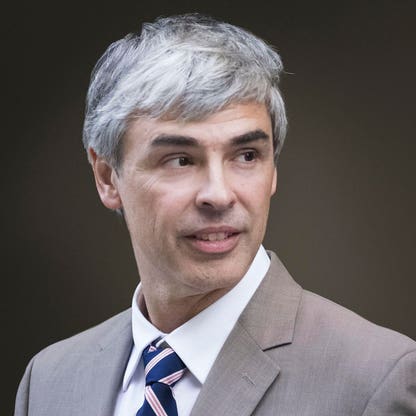
Larry Page — Technology / Venture Capital
Larry Page co-founded Google with Sergey Brin in 1998 while both were PhD students at Stanford, creating a company that grew into one of the most valuable and influential technology enterprises in history. Page served as CEO until 2001, returned from 2011 to 2015, and then led Alphabet until 2019, stepping back from day-to-day management while retaining significant shareholding and board influence through the dual-class share structure. His intellectual legacy within the company is substantial: PageRank, the ten-times moonshot improvement principle, and the culture of ambitious long-term project investment all trace directly to him. He invests in flying car companies including Kitty Hawk, reflecting long-standing aviation interests. In 2026, Page is one of the world's wealthiest individuals yet arguably the least publicly visible, a deliberate retreat from prominence standing in striking contrast to contemporaries like Musk and Zuckerberg who command almost constant public attention.
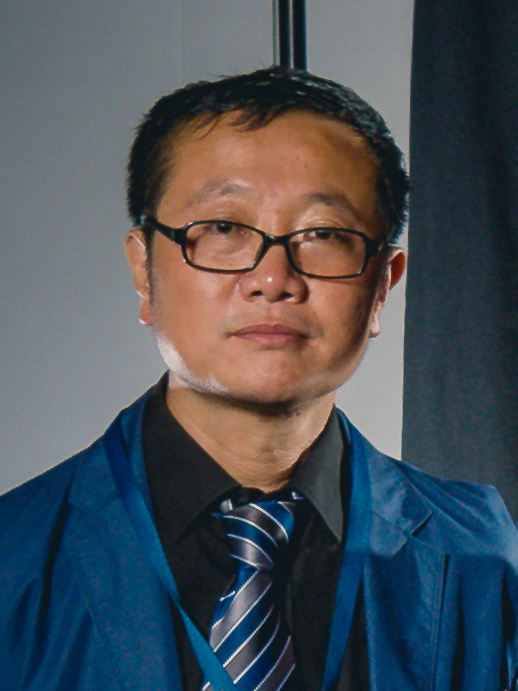
Liu Cixin — Culture / Science Communication
Liu Cixin is China's most celebrated science fiction author and, through his Three-Body Problem trilogy, one of the most significant voices in contemporary science communication and speculation about humanity's long-term future. The Three-Body Problem, first published in Chinese in 2008 and translated into English in 2014, won the Hugo Award for Best Novel in 2015, the first time the award went to an Asian author, and has sold tens of millions of copies globally before Netflix adaptation. Liu spent most of his professional life as a computer engineer at a Shanxi power plant, writing in his spare time. His influence extends beyond literary circles: the trilogy has been cited by Mark Zuckerberg, Barack Obama, and Sam Altman as significant intellectual influence on thinking about AI, civilisational risk, and humanity's future. In 2026, he is a global cultural figure whose fiction has seeded ideas about existential risk into the thinking of people building technologies defining the coming decades.
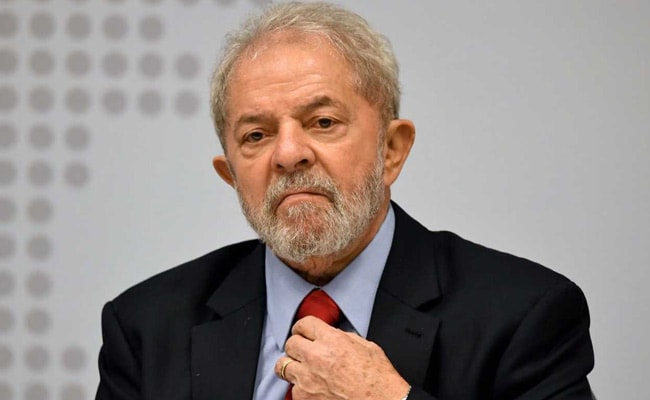
Lula da Silva — Politics / Government
Luiz Inacio Lula da Silva, universally known as Lula, serves his third term as President of Brazil, having previously held office from 2003 to 2010. A former trade union leader and political prisoner under Brazil's military dictatorship, his first two terms presided over significant economic growth and measurable poverty reduction through Bolsa Familia. His 2022 election victory over Jair Bolsonaro, by a narrow margin, and his subsequent inauguration, which occurred days after Bolsonaro supporters stormed governmental buildings, represented a dramatic return to democratic normality in the region's largest democracy. In his current term, Lula has positioned Brazil as a global environmental leader, defending the Amazon against deforestation and hosting COP30 in Belem in 2025. In 2026, he is Latin America's most prominent head of state and a significant Global South voice in climate and trade policy debates.
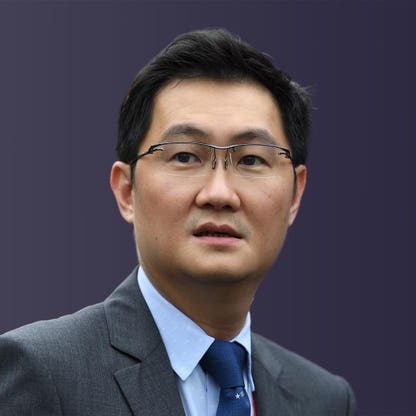
Ma Huateng — Technology / Media
Ma Huateng, known as Pony Ma, founded Tencent in 1998 and built it into one of the world's most valuable and diversified technology companies. Tencent's WeChat platform, combining messaging, social media, payments, and commerce, is used by over 1.3 billion people and represents one of the most successful integrations of digital services into daily life ever achieved. Beyond WeChat, Tencent is among the world's largest video game companies, holding stakes in Epic Games, Riot Games, and numerous studios globally. Ma has navigated Tencent through sustained regulatory pressure from Chinese authorities including gaming restrictions and antitrust scrutiny, responding with public restraint and accommodation, a contrast with the more assertive stance taken by Jack Ma at Alibaba. In 2026, Tencent's position as central digital infrastructure for China's economy, combined with its global investment footprint, makes Pony Ma one of the world's most consequential technology leaders operating at extraordinary scale.
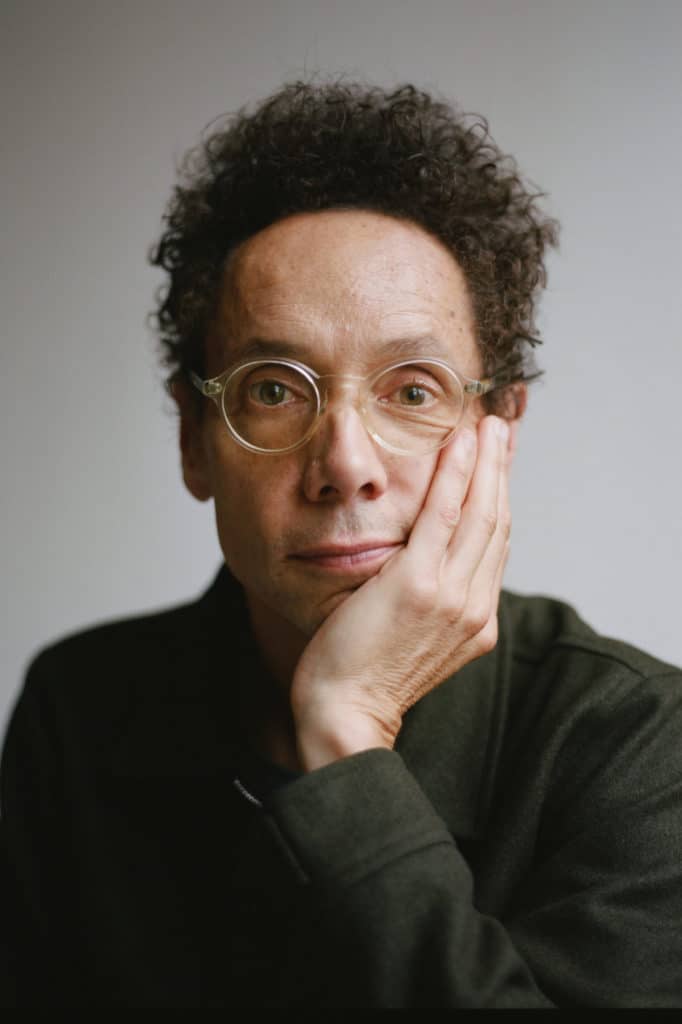
Malcolm Gladwell — Media / Ideas / Culture
Malcolm Gladwell is the most widely read popular non-fiction author of his generation, with books including The Tipping Point, Blink, Outliers, Talking to Strangers, and The Bomber Mafia collectively selling tens of millions of copies globally. The Tipping Point introduced the concept of social epidemics to mainstream discourse, while Outliers, examining the conditions producing exceptional achievement and challenging mythologies of pure individual merit, is among the most cited books in conversations about education, inequality, and talent development. A long-standing staff writer at The New Yorker, he co-founded Pushkin Industries, a podcast production company whose shows attract large global audiences. Born in England and raised in Canada, he brings a perspective on American culture that is simultaneously intimate and observational. In 2026, Gladwell remains one of the most searched, referenced, and debated non-fiction writers in the world, a thinker whose ideas enter mainstream circulation with unusual speed and cross-cultural reach.
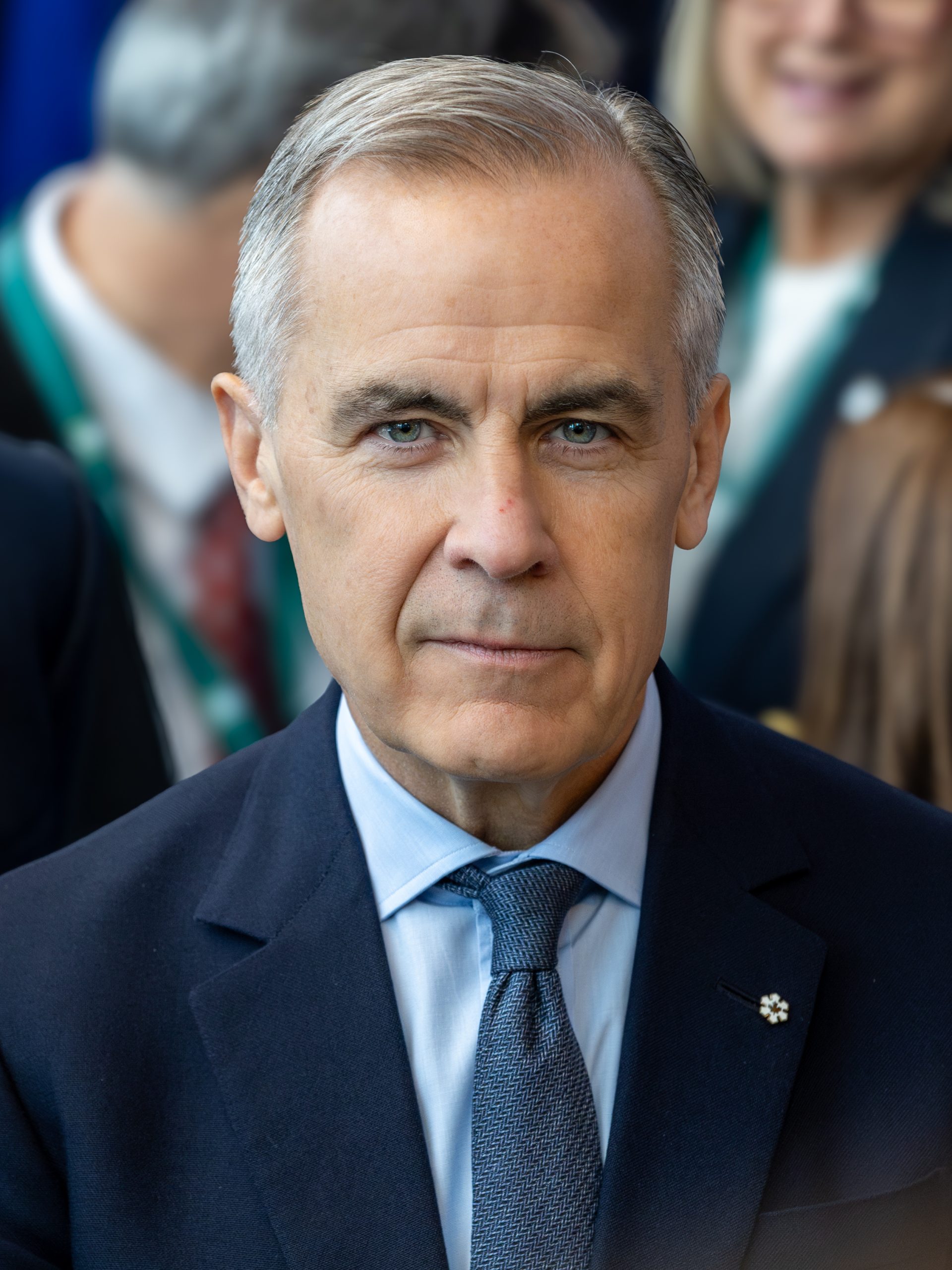
Mark Carney — Politics / Finance
Mark Carney became Prime Minister of Canada in March 2025, following a career that made him one of the most respected central bankers of his generation. He served as Governor of the Bank of Canada from 2008 to 2013, steering the country through the global financial crisis with a response widely regarded as among the most effective in the developed world, and then as Governor of the Bank of England from 2013 to 2020, the first non-British person to hold the role. His 2015 Tragedy of the Horizon speech shaped the global conversation on climate-related financial disclosure. His transition from central banking to elected politics is an unusual career arc; his election as Canadian Prime Minister was driven significantly by a campaign focused on Canada's economic sovereignty amid US trade pressure. In 2026, Carney leads a resource-rich, trade-dependent economy navigating significant external economic pressure with uncommon institutional credibility.
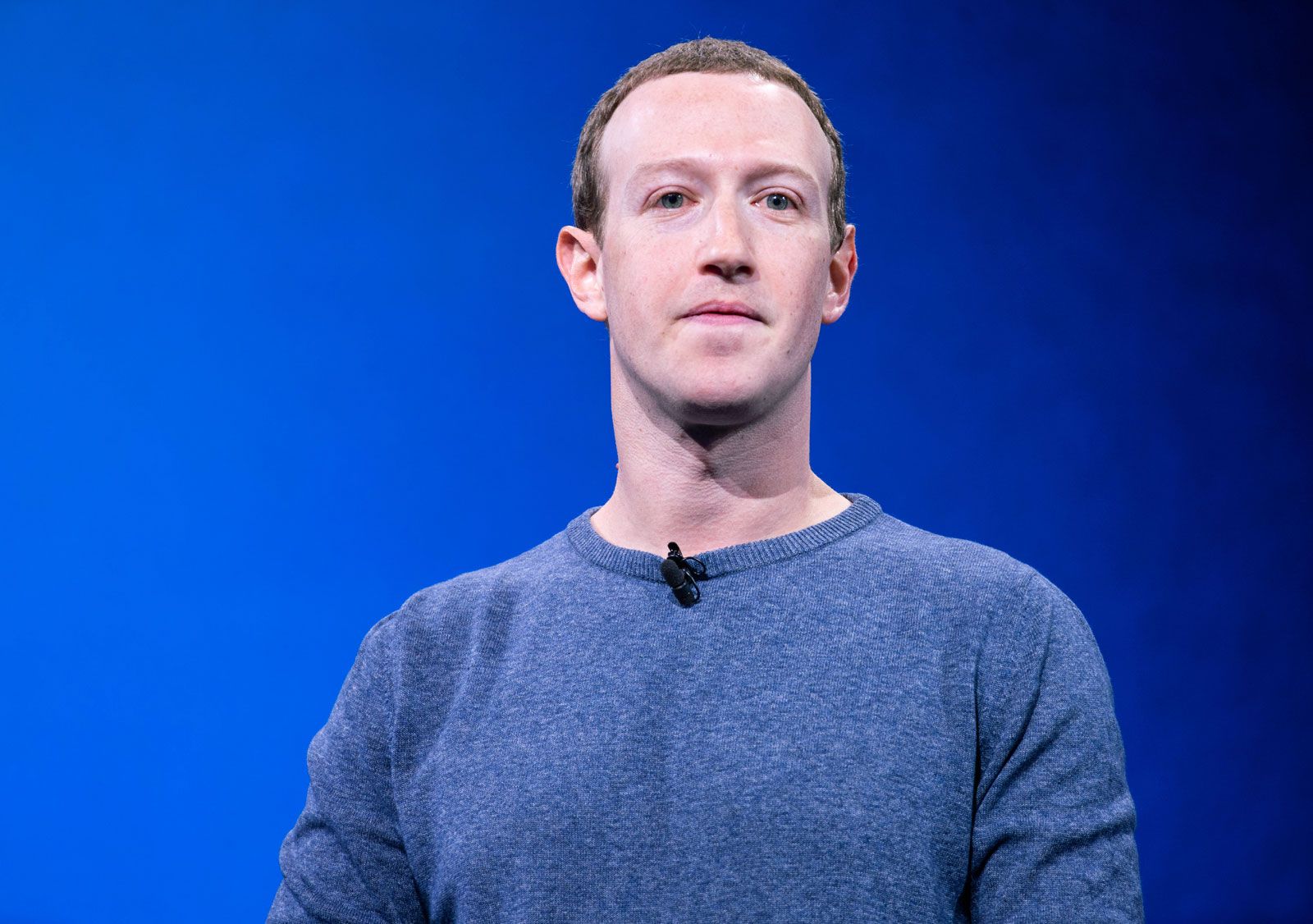
Mark Zuckerberg — Technology / Social Media
Mark Zuckerberg co-founded Facebook in his Harvard dormitory in 2004 and has led the company, now Meta, since, maintaining control through a dual-class share structure. Meta's platforms, including Facebook, Instagram, WhatsApp, and Threads, collectively reach nearly four billion people, the largest social media ecosystem in human history. His pivot toward the metaverse reflected a bold long-term vision, followed by an equally decisive move toward artificial intelligence, with Meta's open-source Llama AI models positioning the company as a significant force in the AI ecosystem. In 2026, Zuckerberg has made a visible shift in his public positioning, adopting a less apologetic and more assertive stance on content moderation, political engagement, and competition. He remains one of the most powerful individuals in global media and technology, controlling platforms that shape the daily information environment for billions of people.
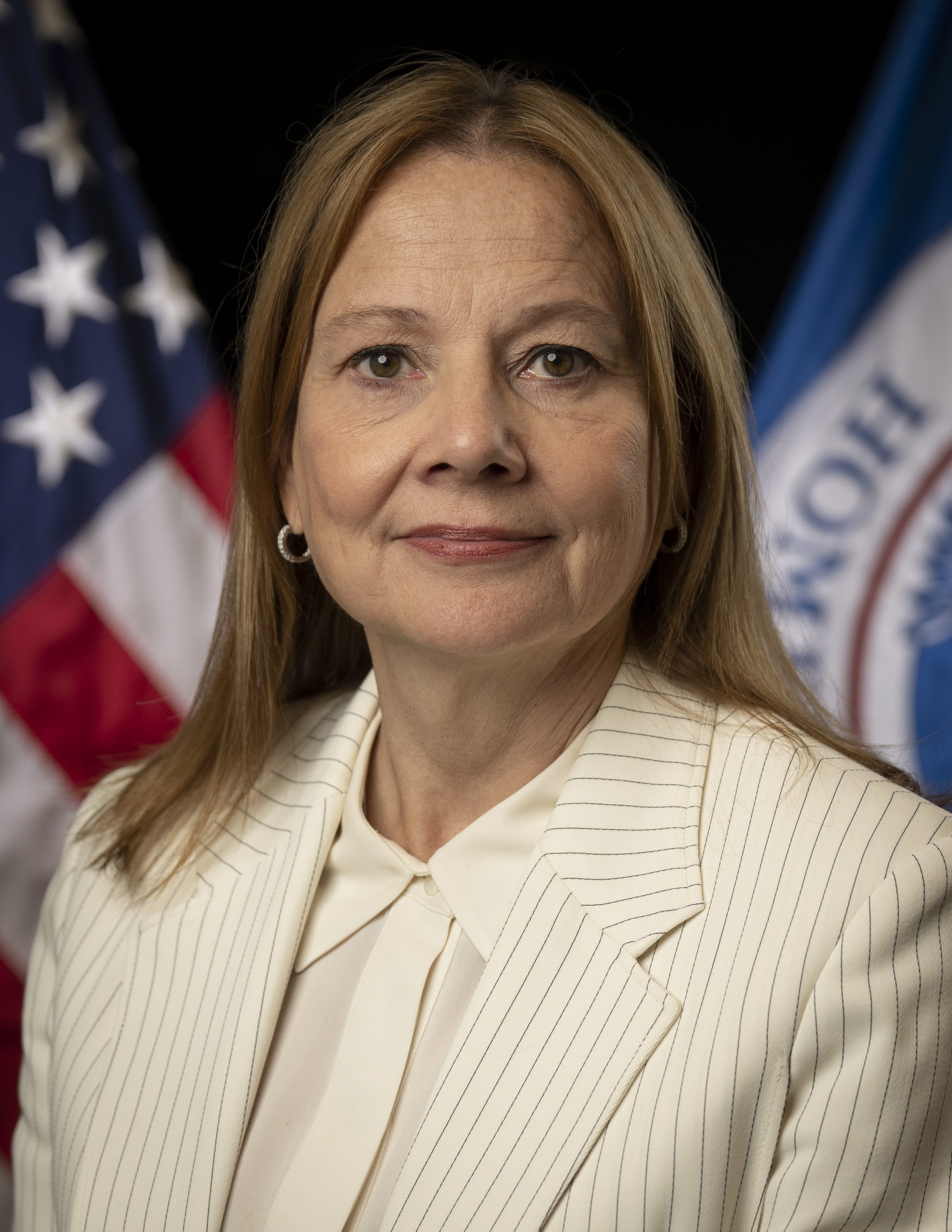
Mary Barra — Automotive / Manufacturing
Mary Barra became CEO of General Motors in 2014, the first woman to lead a major global automaker, spending her tenure managing the most consequential industrial transition in the company's century-long history: the shift from internal combustion to electric vehicles. A GM lifer who joined as an eighteen-year-old co-op student and rose through engineering and manufacturing roles, she brings technical credibility to the transition that external hires could not match. Her electric vehicle strategy has involved significant capital commitment and bold operational decisions, including a strategic review of the Cruise autonomous vehicle programme that demonstrated her willingness to make decisive calls in the interest of long-term progress. In 2026, she steers GM through the electric vehicle transition while managing the growing competitive pressure from Chinese automakers who have reshaped global market economics.
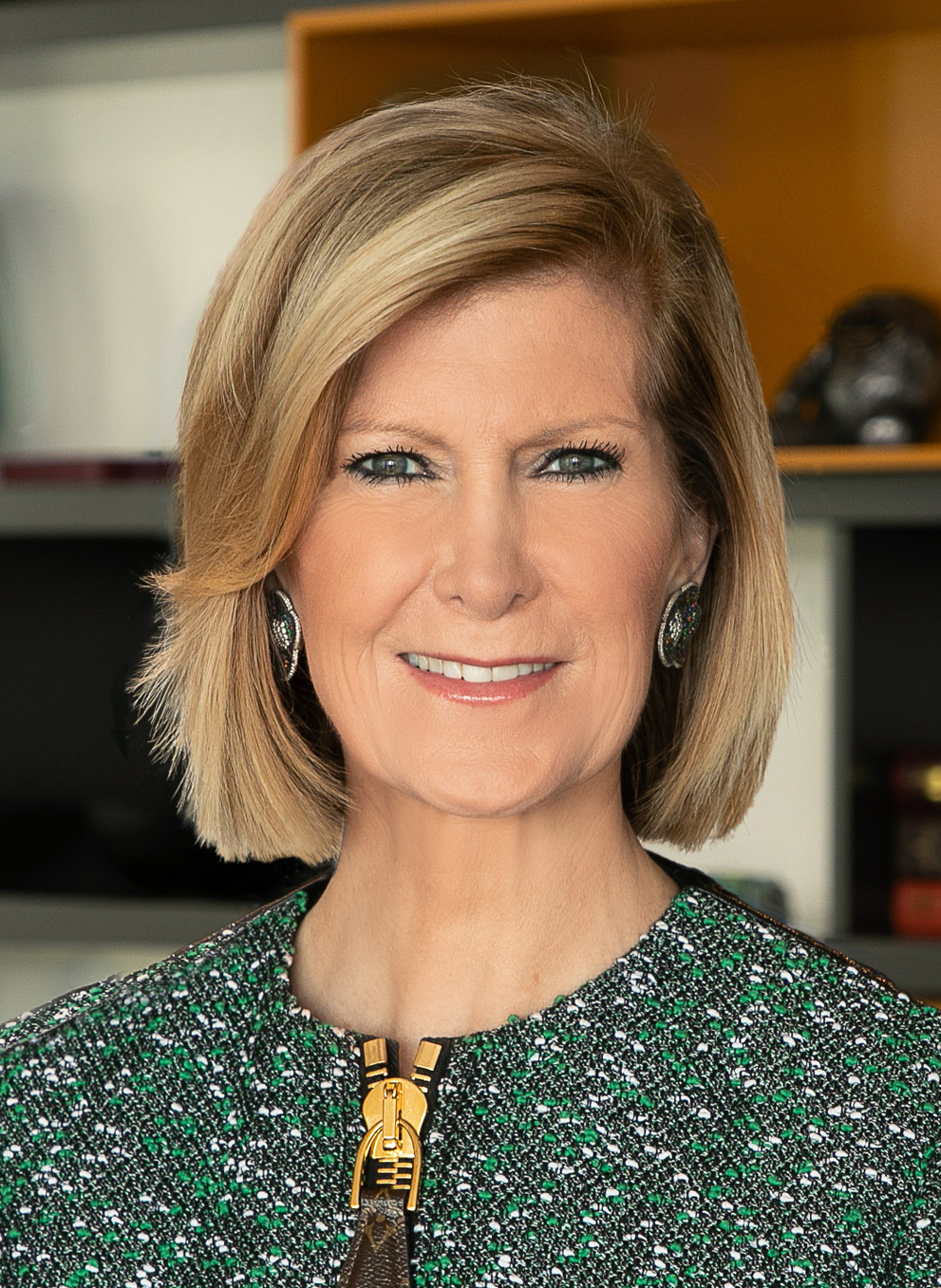
Mary Callahan Erdoes — Finance / Asset Management
Mary Callahan Erdoes has led JP Morgan's Asset and Wealth Management division since 2009, overseeing a business managing approximately $5 trillion in assets and serving clients from individual high-net-worth families to the world's largest sovereign wealth funds and pension systems. Joining JP Morgan in 1996, she has built a reputation as one of the most formidable asset management leaders through business-building acumen, client relationship depth, and the ability to navigate the complex political and cultural dynamics of a major financial institution. Known for a hands-on approach to client engagement and personal depth of knowledge across asset classes, she is widely trusted by ultra-high-net-worth families and institutions globally. Consistently ranked among the most powerful women in finance. In 2026, with $5 trillion in assets under management during a period of shifting interest rates and geopolitical risk, she oversees one of the industry's most demanding and consequential leadership mandates.
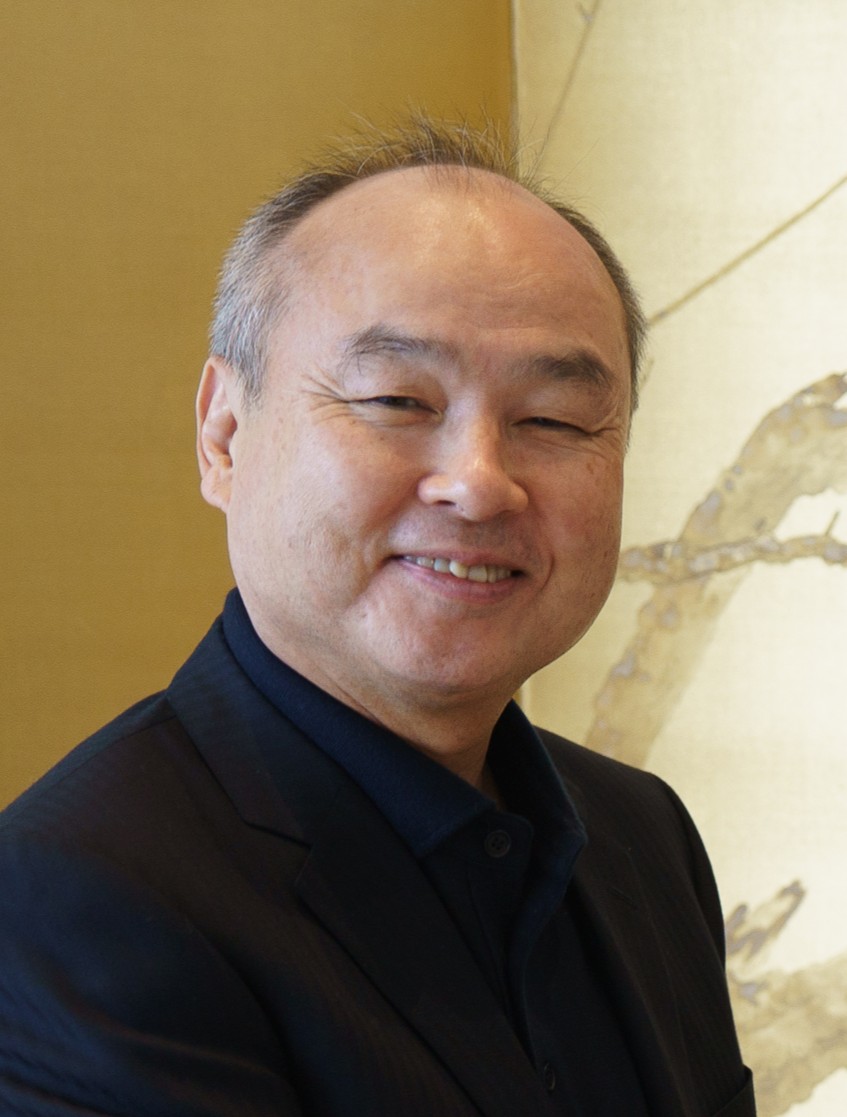
Masayoshi Son — Technology / Investment
Masayoshi Son is the founder and CEO of SoftBank Group, one of the world's largest technology investment conglomerates. His investment philosophy is explicitly long-term and high-conviction, expressed most dramatically in the SoftBank Vision Fund, at its peak the world's largest technology investment fund at over $100 billion in capital, much of it from the Saudi sovereign wealth fund. The portfolio ranged from early-stage bets that tested the limits of venture capital to Alibaba, where Son's $20 million investment grew to stakes worth tens of billions. He has spoken publicly about his conviction that artificial intelligence will transform human civilisation within decades, shaping SoftBank's strategy toward AI infrastructure, robotics, and semiconductor design, including the IPO of chip designer Arm Holdings. In 2026, with SoftBank repositioned for the next era of technology investment, Son's attention is firmly focused on what he calls the intelligence revolution.
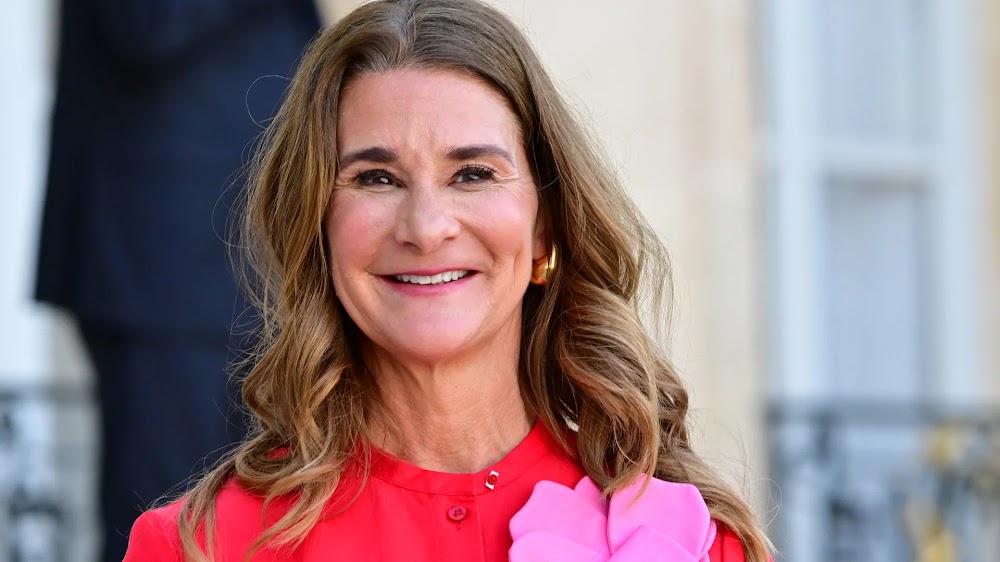
Melinda French Gates — Philanthropy / Technology
Melinda French Gates co-founded the Bill and Melinda Gates Foundation in 2000 and spent two decades shaping it into the world's most influential private philanthropic institution, with particular focus on global health, gender equality, and educational access. Following her divorce from Bill Gates in 2021, she remained co-chair before announcing her resignation in 2024 and departing with approximately $12.5 billion in resources to direct through Pivotal Ventures, her own investment and incubation company. She has been explicit that her independent philanthropic work focuses significantly on women's power and influence, including reproductive rights, economic opportunity, and representation in technology and finance. In 2026, Pivotal Ventures has become a significant force in impact investing and the funding of gender equity organisations, while French Gates is increasingly vocal as a public intellectual on the intersection of technology, power, and equality in modern societies.
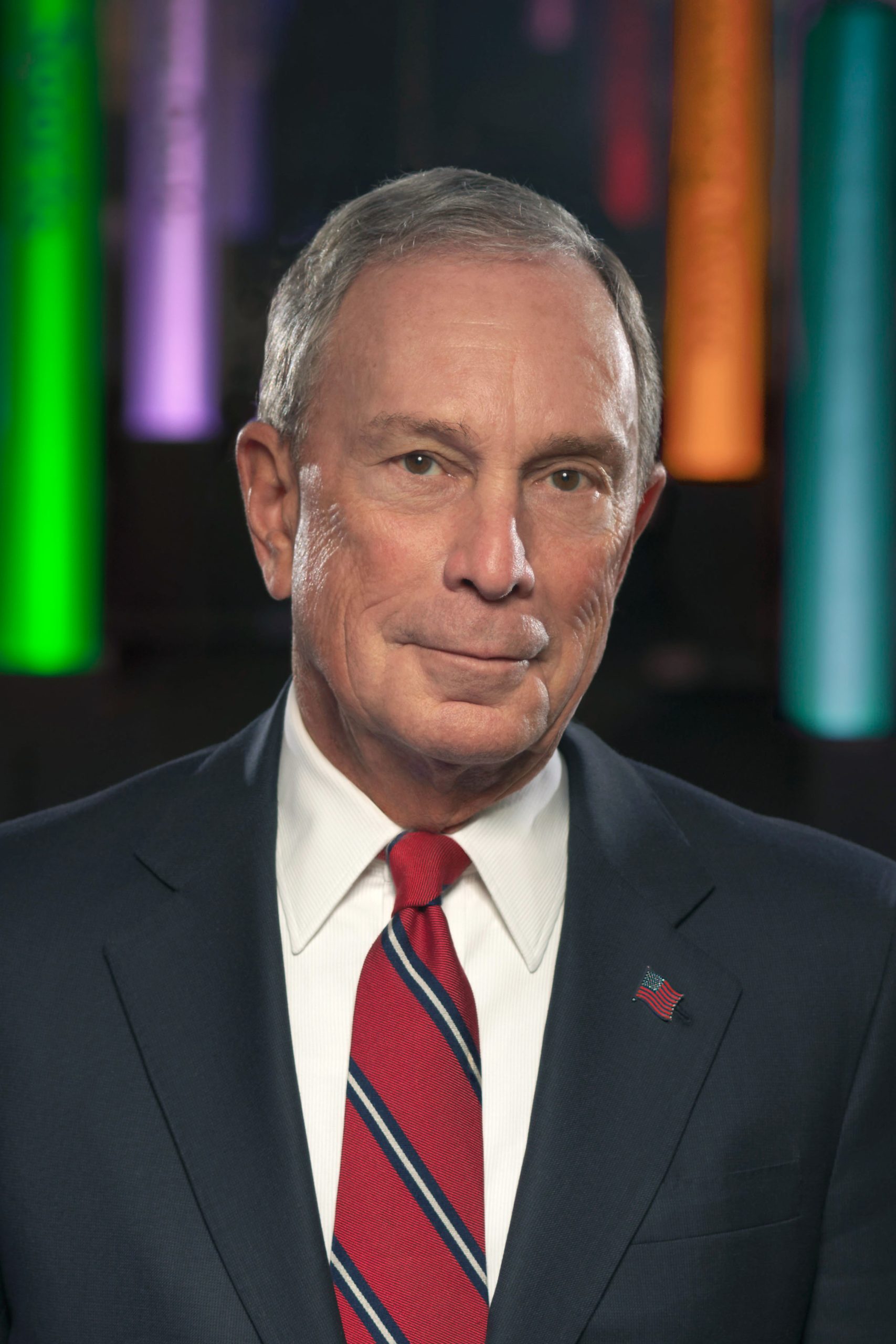
Michael Bloomberg — Media / Finance / Philanthropy
Michael Bloomberg founded Bloomberg LP in 1981 after being dismissed from Salomon Brothers, creating what became the most important financial data and media organisation in the world. The Bloomberg Terminal is used by over 350,000 subscribers globally and generates revenues making Bloomberg LP one of the largest private US companies. He served three terms as Mayor of New York City from 2002 to 2013, implementing public health policies including smoking bans that became urban policy templates globally. His philanthropic organisation, Bloomberg Philanthropies, has committed billions to climate change, public health, arts, and government innovation. His personal campaign against tobacco and fossil fuels has made him one of the most consequential private funders of advocacy work in both areas. In 2026, Bloomberg remains one of the most active major philanthropists in the United States, with financial resources and institutional credibility that few private citizens anywhere in the world can match.
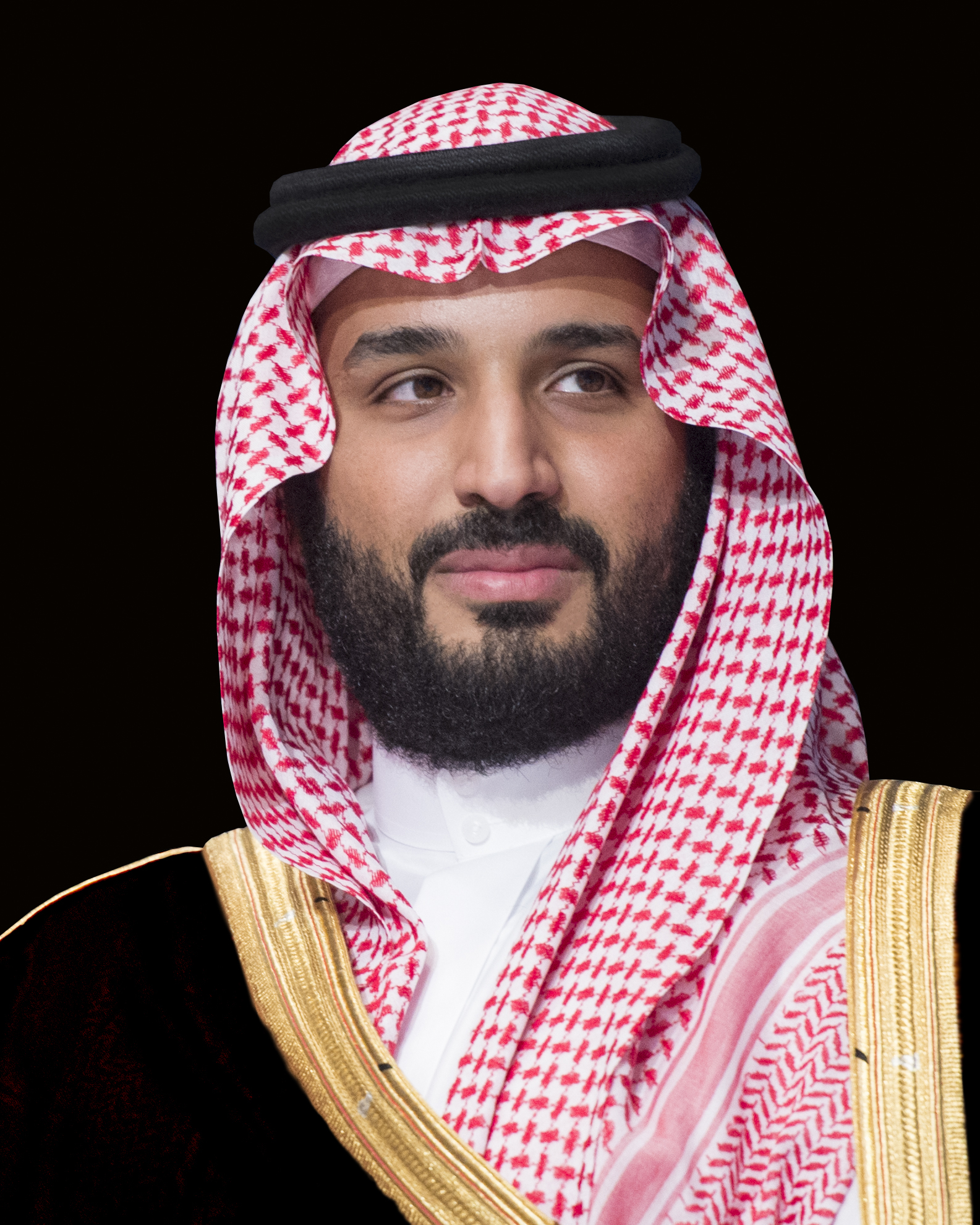
Mohamed bin Salman al Saud — Government / Energy / Investment
Mohammed bin Salman has been Crown Prince of Saudi Arabia since 2017 and Prime Minister since 2022, the effective ruler of the world's most important oil-producing nation. His Vision 2030 programme represents a sweeping ambition to reduce oil revenue dependence through massive investment in tourism, entertainment, technology, and industry. The programme has produced dramatic development projects including the futuristic city of NEOM and transformed global sports through investments in golf, football, and boxing. His leadership has been marked by a willingness to engage with the international community, pursuing diplomatic relationships across East and West and positioning Saudi Arabia as a key player in global economic and geopolitical conversations. In 2026, Saudi Arabia's continued centrality to global oil markets, combined with its sovereign wealth fund scale and Vision 2030 ambition, makes him one of the most influential and closely watched figures in global affairs, his decisions carrying consequences for energy markets, regional geopolitics, and global capital flows simultaneously.
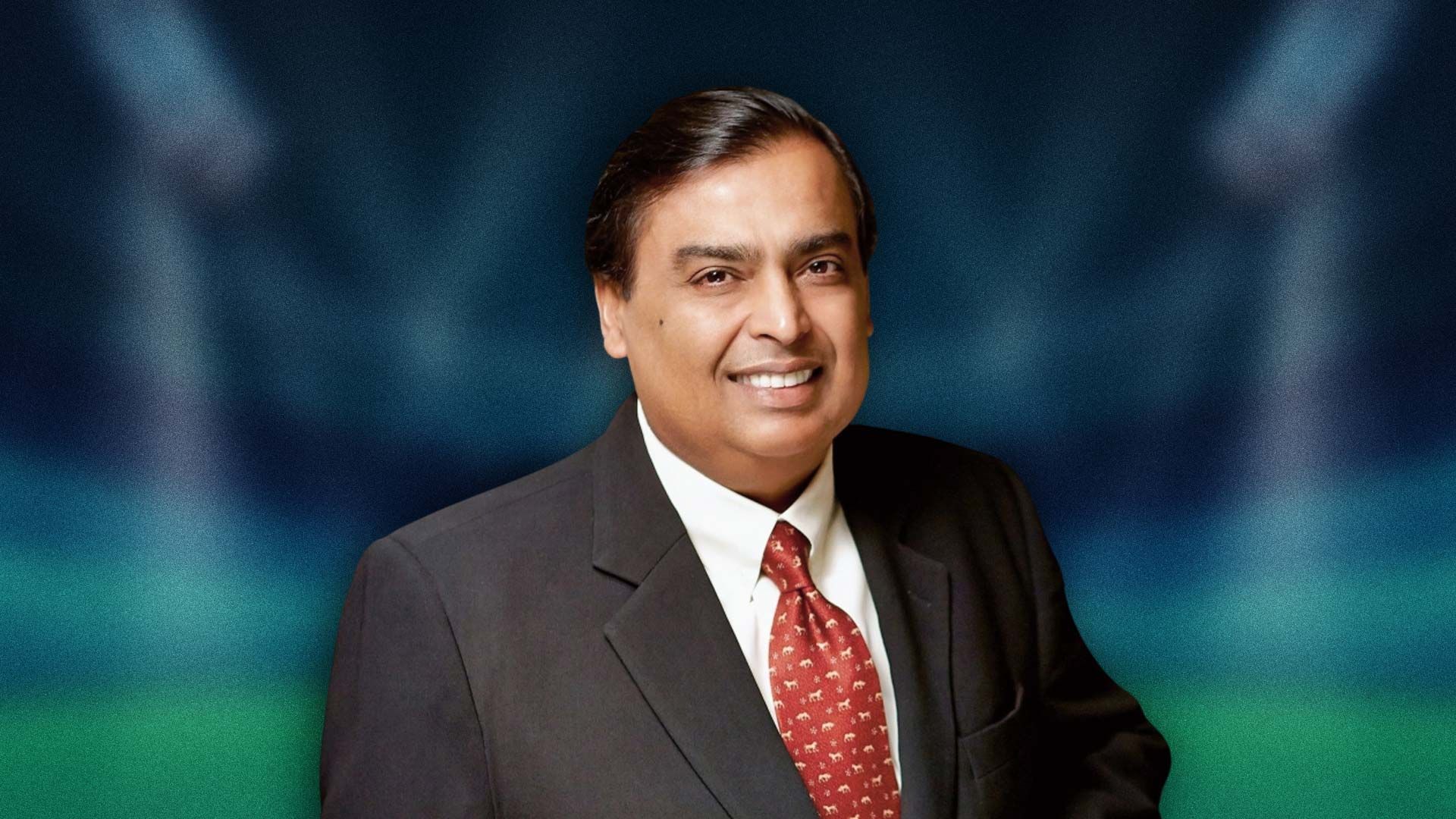
Mukesh Ambani — Energy / Telecommunications / Retail
Mukesh Ambani is the chairman of Reliance Industries, India's most valuable company, and consistently Asia's wealthiest individual. Reliance spans petrochemicals, refining, telecommunications through Jio, and retail through Reliance Retail. His most transformative decision was the 2016 launch of Jio, which disrupted India's telecommunications market with essentially free introductory data, triggering massive acceleration in digital adoption and destroying the economics of incumbent operators. Jio now has over 450 million subscribers and forms the backbone of India's digital economy. Ambani has signalled the next growth chapter will be built around green energy, with commitments to solar manufacturing, green hydrogen, and battery storage representing one of Asia's largest private energy transition programmes. In 2026, his combination of energy market power, digital infrastructure control, and retail scale makes him arguably India's single most influential private sector figure, with succession among his three children attracting significant attention.
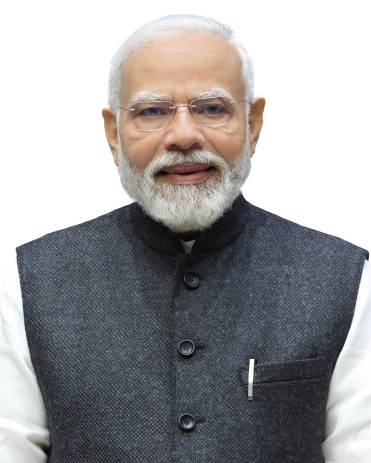
Narendra Modi — Politics / Government
Narendra Modi has served as Prime Minister of India since 2014, leading the world's most populous nation and fastest-growing major economy through significant transformation. Under his leadership, India has built one of the world's most advanced digital public infrastructure systems, including the Unified Payments Interface processing billions of monthly transactions, the Aadhaar biometric identification system, and direct benefit transfer programmes reshaping how public services reach citizens. India's economy has grown to the world's fifth largest under Modi's tenure, with projections toward third place within the decade. Internationally, he has maintained relationships with both Russia and the United States, a strategic autonomy doctrine giving India unusual diplomatic reach across the world's major power blocs. In 2026, India's increasing centrality to global supply chains, great power competition, and international climate negotiations makes Modi one of the most consequential political leaders in the world by any meaningful measure.
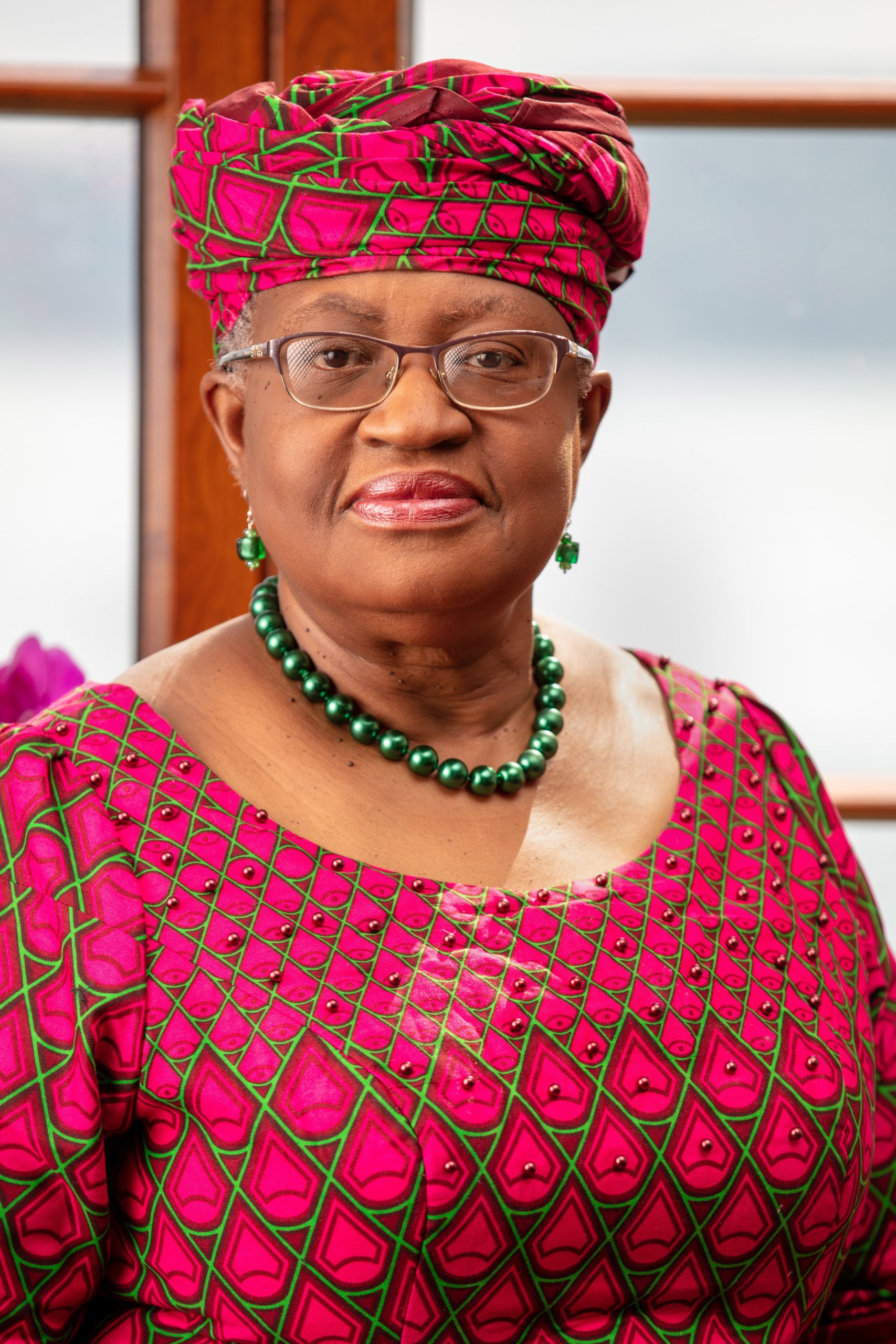
Ngozi Okonjo-iweala — International Trade / Development
Ngozi Okonjo-Iweala became Director-General of the World Trade Organization in March 2021, the first woman and first African to hold the position. An economist with a doctorate from MIT, she previously served twice as Nigeria's Finance Minister, building a reputation for tackling corruption and negotiating Nigeria's landmark debt relief with the Paris Club of creditors. At the WTO, she inherited an institution under significant strain from US-China trade conflict and COVID-19 supply chain disruption, responding with coalition-building, pragmatic deal-making, and determination to show multilateral trade governance can deliver results on issues mattering to developing countries. In 2026, with protectionist pressures intensifying globally, her role as an advocate for rules-based trade has become both more challenging and more important. She is widely regarded as one of the most effective leaders of an international institution of her generation, navigating genuinely difficult political terrain with remarkable consistency.
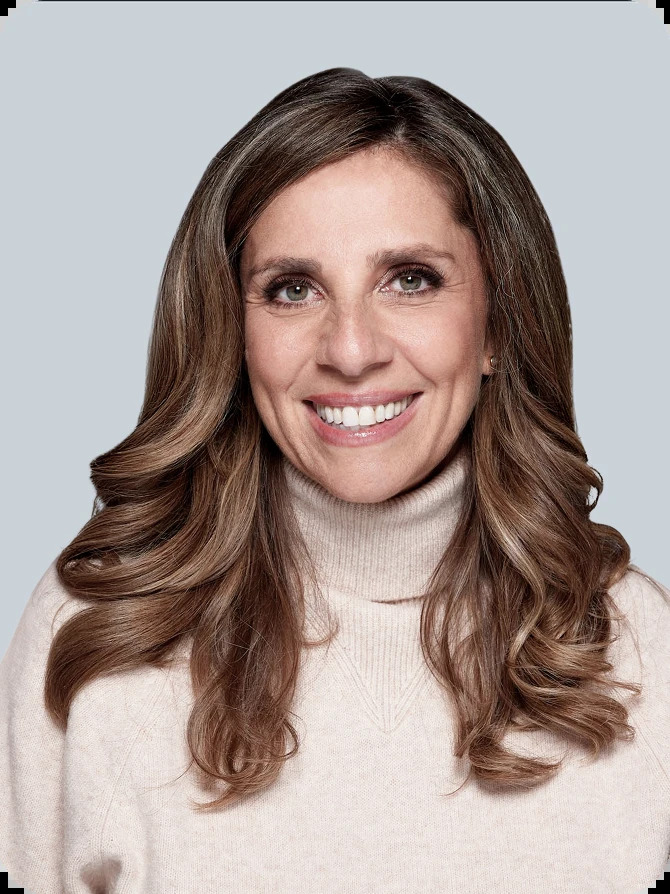
Nicola Mendelsohn — Technology / Advertising
Nicola Mendelsohn serves as Vice President of the Global Business Group at Meta, overseeing the company's advertising revenue operations globally, placing her at the centre of one of the most important commercial ecosystems in media and technology. A British advertising executive who built her earlier career at agencies including Grey and Karmarama before joining Facebook in 2013, she has risen to one of the company's most senior positions outside the United States. Awarded a Commander of the British Empire in 2015 for services to the creative industries, she is a prominent speaker on technology's role in business and the creator economy. In 2020, she publicly disclosed a follicular lymphoma diagnosis, intending to reduce stigma around cancer and demonstrate that serious illness need not preclude continued professional leadership. In 2026, she remains one of the most prominent British women in global technology leadership, her role central to Meta's commercial performance.
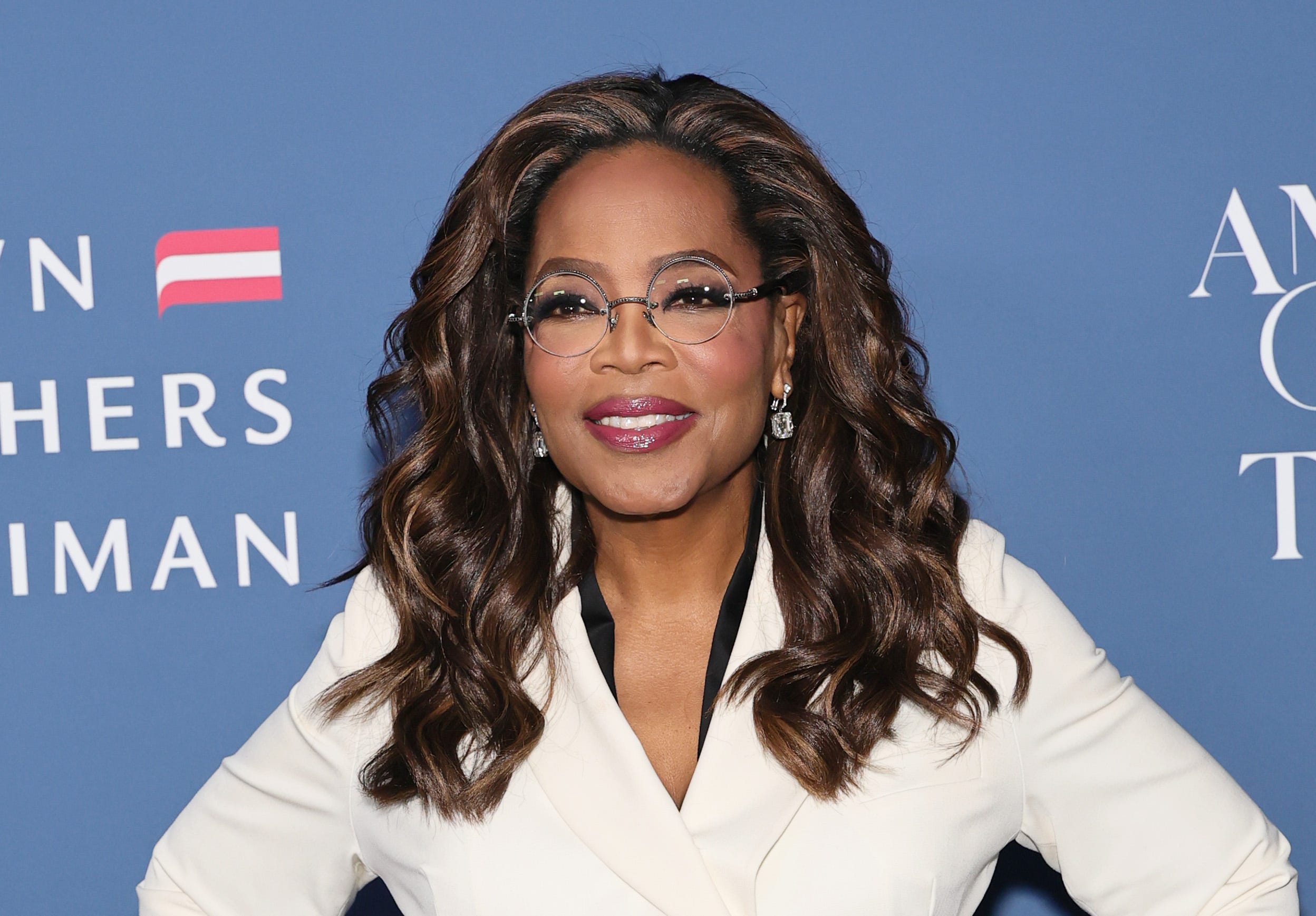
Oprah Winfrey — Media / Philanthropy / Culture
Oprah Winfrey built one of the most singular careers in American media history, transforming a local morning talk show into a global cultural phenomenon and establishing a business empire spanning television production, magazine publishing, a cable network, and an Apple streaming partnership. The Oprah Effect describes her endorsement's ability to dramatically shift public awareness and commercial outcomes for books, products, and ideas. She has donated more than $500 million over her career to educational initiatives, disaster relief, and leadership development programmes, with particular focus on supporting education of young people of colour. Her endorsement of Barack Obama during the 2008 primary is estimated to have meaningfully contributed to his electoral success. In 2026, Winfrey remains a dominant cultural figure whose influence spans entertainment, wellness, publishing, and philanthropy, with public engagements on addiction, mental health, and social justice continuing to shape national conversations and reach audiences of extraordinary scale.
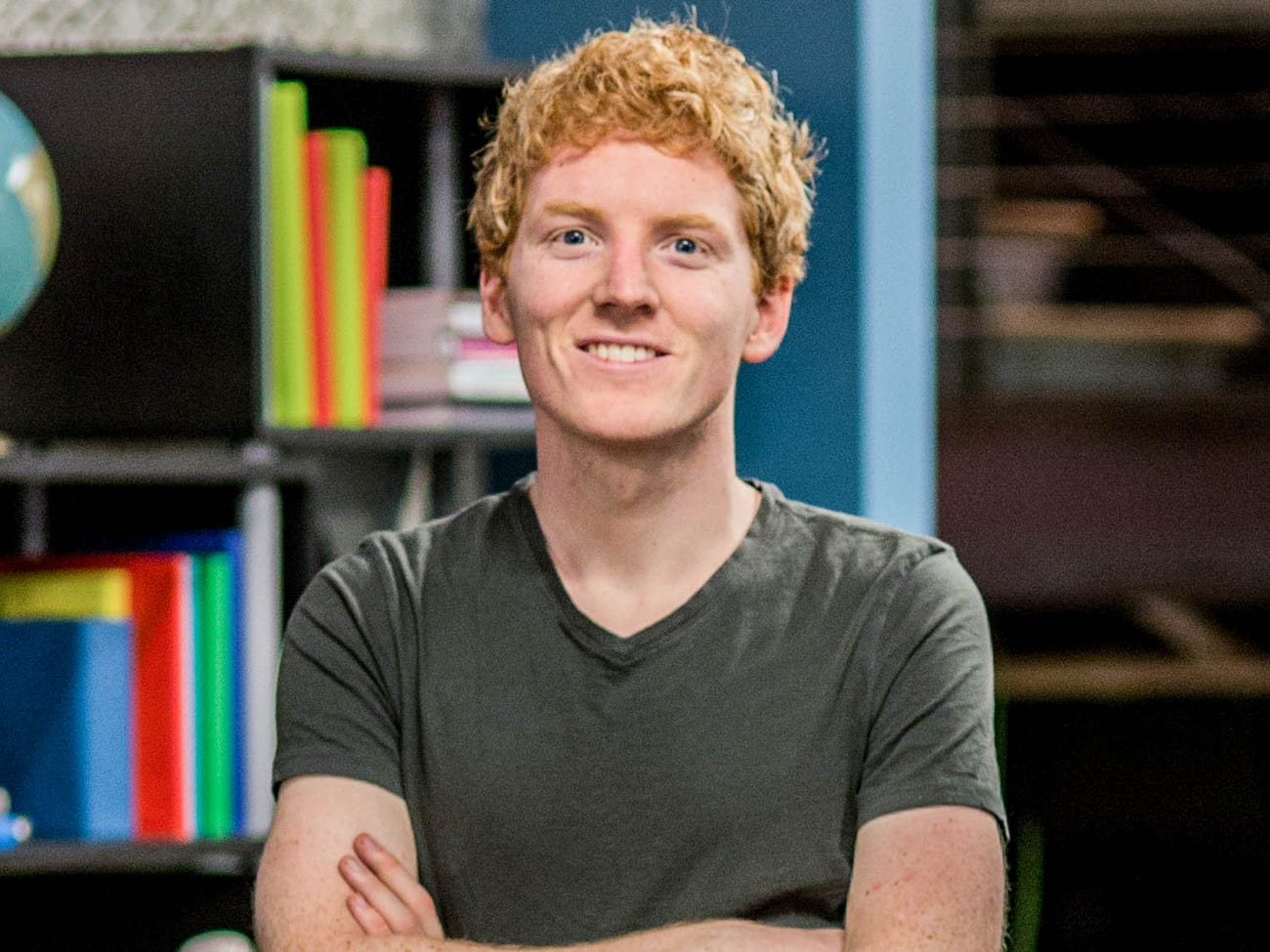
Patrick Collison — Financial Technology
Patrick Collison co-founded Stripe with his brother John in 2010 at twenty-one years old, identifying that online payment complexity was a fundamental constraint on internet commerce. Stripe's solution allowed developers to integrate payment processing with a few lines of code, proving transformative as the company grew into one of the world's most valuable private companies with a valuation exceeding $50 billion, processing payments for millions of businesses globally. Collison is known as an unusually intellectually engaged technology CEO, with publicly documented interests in scientific progress, technology history, and the conditions enabling civilisational flourishing. He has supported scientific research through Arc Institute and Convergent Research, reflecting a conviction that scientific progress has slowed relative to its potential and that philanthropic capital can address the funding gaps commercial research cannot. In 2026, Stripe's continued growth as global payment infrastructure and Collison's intellectual influence in technology and science policy make him consequential beyond his commercial footprint.
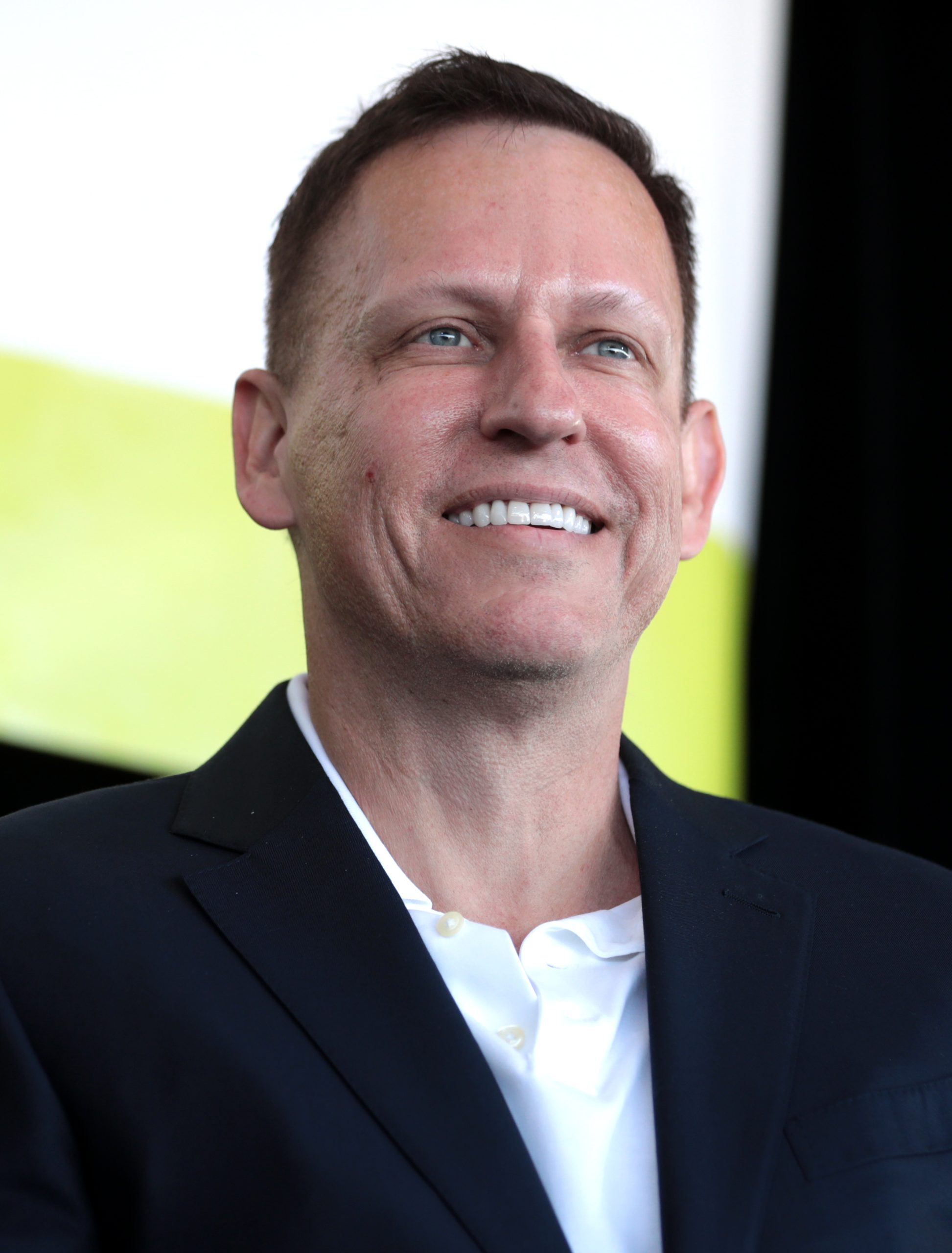
Peter Thiel — Technology / Investment
Peter Thiel co-founded PayPal in 1998, made the first outside investment in Facebook in 2004 returning over a billion dollars, and co-founded Palantir Technologies, a data analytics company now a significant supplier to intelligence agencies, defence departments, and large enterprises globally. He founded the Founders Fund venture capital firm and authored Zero to One, one of the most widely read startup strategy texts in the technology and venture capital community. Known for taking contrarian positions including supporting Donald Trump in 2016 when unusual in Silicon Valley, his Thiel Fellowship paying students to drop out of college, and long-standing interest in life extension research. His political evolution toward libertarianism and then explicit nationalist conservatism has made him a polarising but consistently influential figure. In 2026, his investment activity and Palantir's expanding government relationships make him one of the more consequential figures operating at the intersection of technology, defence, and political power.
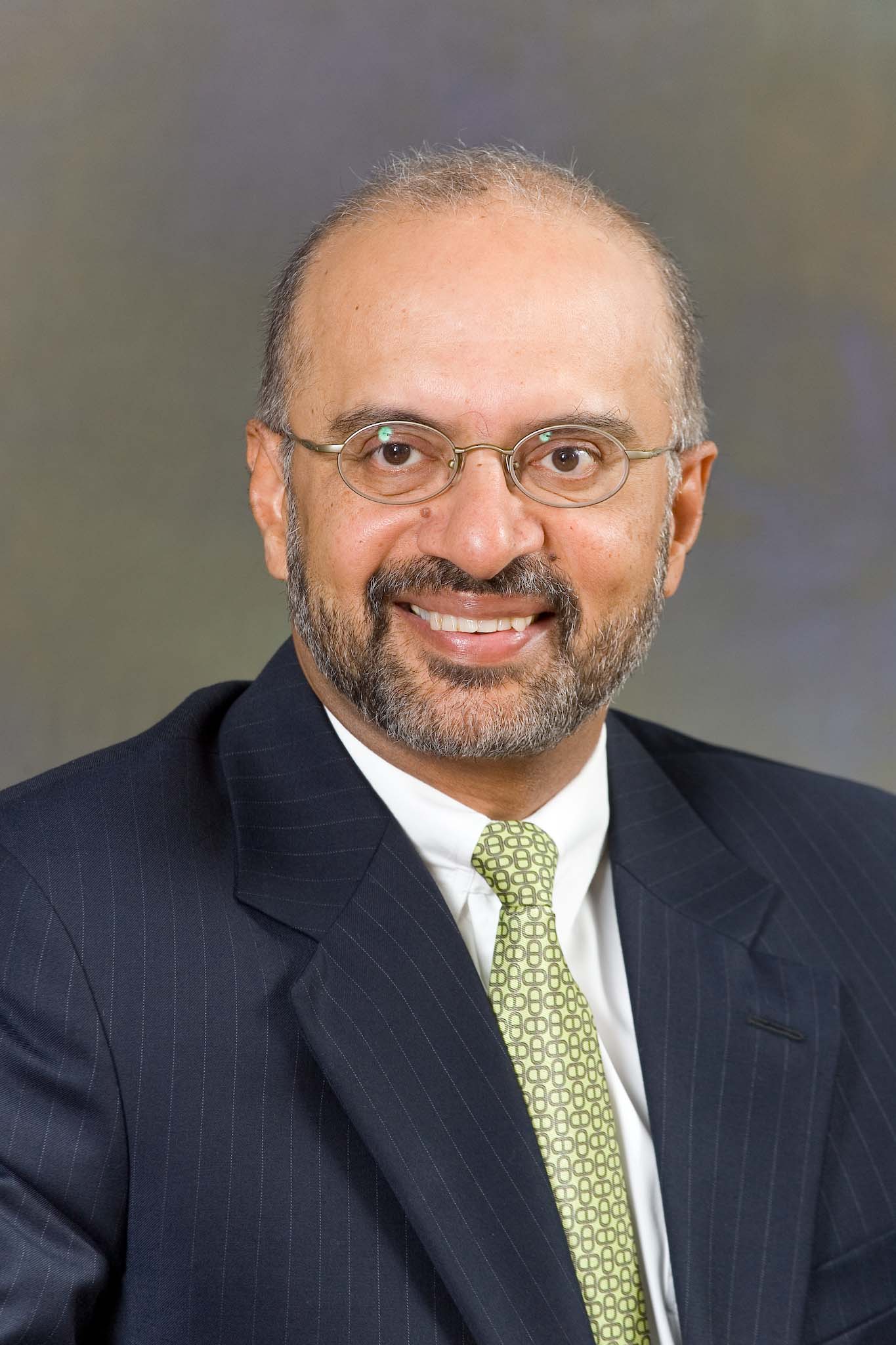
Piyush Gupta — Finance / Banking
Piyush Gupta led DBS Bank as CEO from 2009 to March 2025, presiding over one of the most celebrated transformations in modern banking history. Under his leadership, DBS grew from a respected regional bank into Southeast Asia's largest bank by assets and earned recognition as the world's best bank from Global Finance, Euromoney, and The Banker on multiple occasions, a distinction no other Asian bank has matched across the same period. His defining contribution was a conviction that digital transformation required genuine organisational change rather than cosmetic technology adoption, a philosophy he articulated publicly and embedded operationally across DBS's businesses in consumer banking, wealth management, and institutional banking. Born in India and educated at IIM Ahmedabad, he built his career across Citigroup before joining DBS. He retired at 65 having built an institution whose performance, culture, and digital infrastructure now serve as a global benchmark for what a traditional bank can become when leadership commits fully to transformation rather than incrementalism.
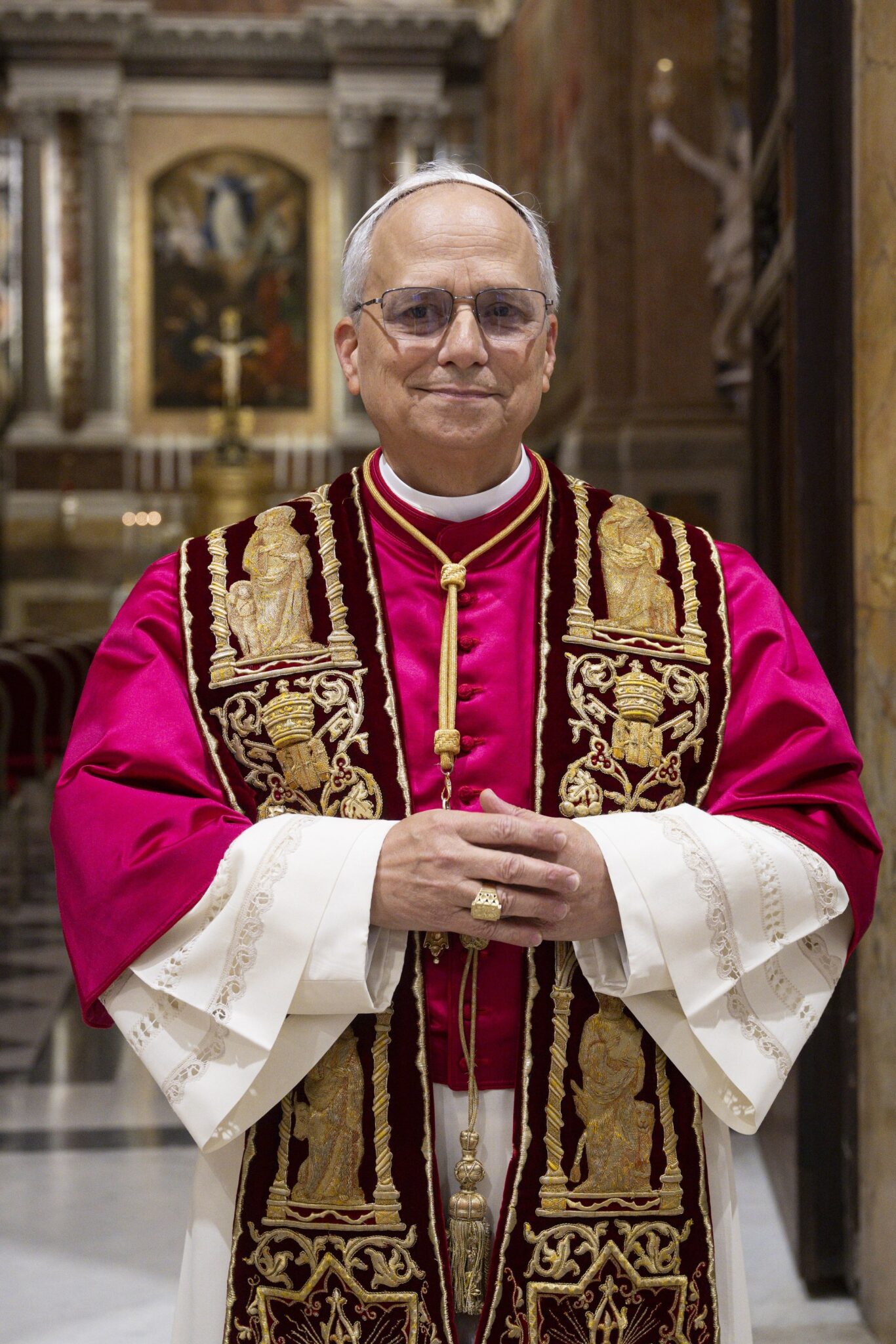
Pope Leo Xiv — Religion / Global Ethics
Pope Leo XIV, born Robert Francis Prevost in Chicago and elected to the papacy in May 2025, became the first American Pope in the Catholic Church's history, leading an institution with over 1.4 billion members worldwide. His election was widely seen as a choice for continuity combined with a different geographic and stylistic profile. An Augustinian friar who spent years as a missionary in Peru before rising through church governance roles including Prefect of the Dicastery for Bishops, Leo XIV brings direct experience of the Church in the Global South, where Catholicism's greatest growth is currently occurring. His early papacy has been characterised by an emphasis on mercy, dialogue, and the Church's engagement with migration, inequality, and environmental care. In 2026, his role in global conversations about human dignity, peace, and care for the earth places him among the most influential figures at the intersection of faith, ethics, and public life globally.
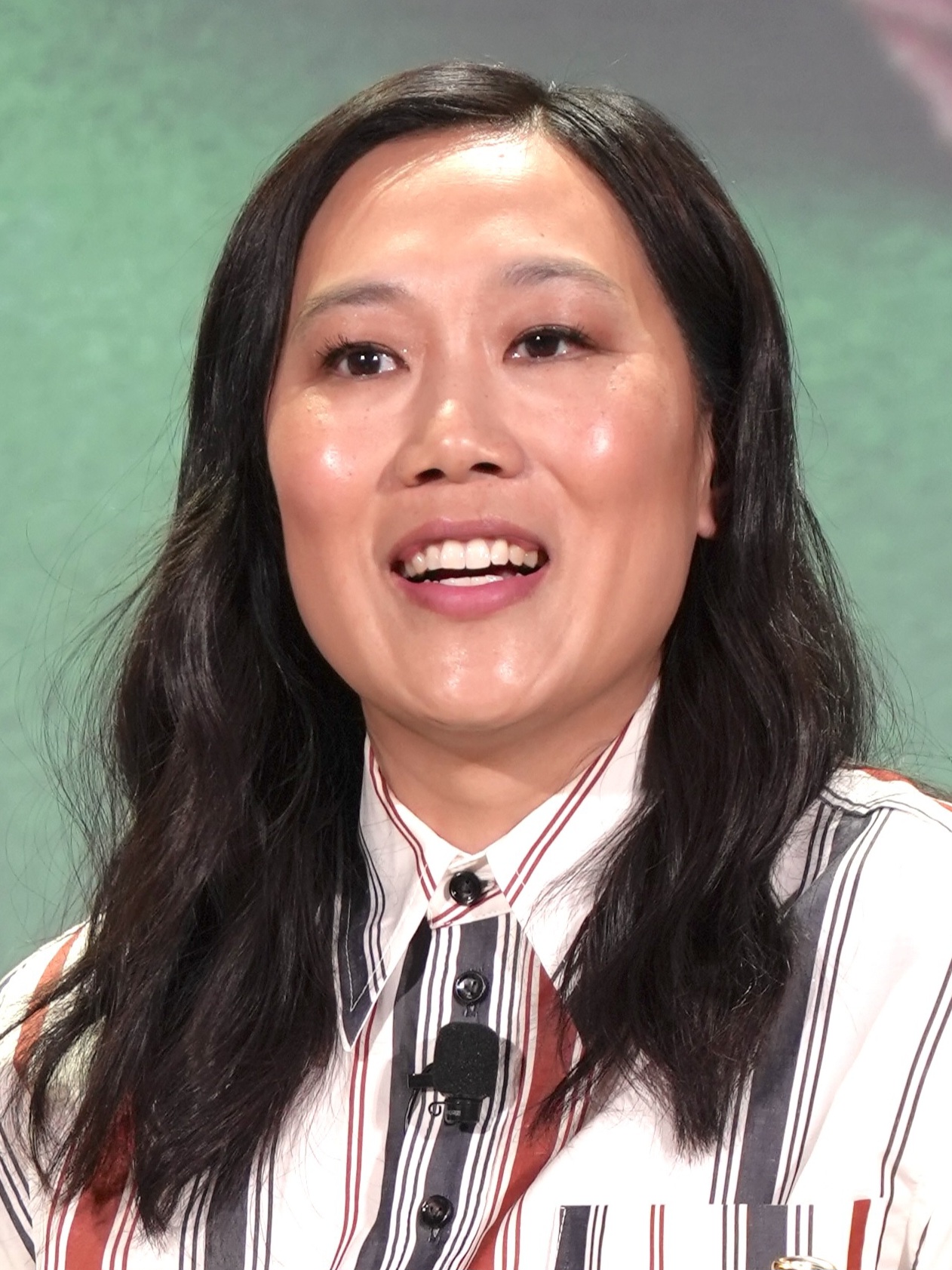
Priscilla Chan — Philanthropy / Science
Priscilla Chan co-founded the Chan Zuckerberg Initiative in 2015 and serves as its co-CEO, shaping an organisation committed to ambitious goals in science, education, and justice, including the stated aspiration of curing or managing all diseases by the end of the century. A paediatrician by training who practised medicine after graduating from Harvard Medical School, Chan brings clinical background informing CZI's emphasis on translating scientific discovery into health outcomes at scale. CZI's science programme funds basic research through the Chan Zuckerberg Biohub network and develops open-source software for biomedical research. On education, the initiative focuses on personalised learning technology and supporting schools in underserved communities. In 2026, CZI's scale of ambition and resources make it one of the most significant private actors in global science and education, with Chan's medical background giving her philanthropic leadership a practical grounding that distinguishes it from purely financial approaches to philanthropy.

Priyanka Chopra Jonas — Entertainment / Culture
Priyanka Chopra Jonas is one of the most globally recognised figures at the intersection of entertainment, entrepreneurship, and advocacy. A former Miss World and Bollywood star who crossed into American primetime television with Quantico, she became one of the first South Asian actresses to headline a major US network drama, opening doors that had remained closed for decades. Her production company, Purple Pebble Pictures, actively champions stories from underrepresented communities across Indian regional cinema. A UNICEF Goodwill Ambassador for over a decade, she has advocated consistently for children's rights, education, and gender equality across South Asia and beyond. As an entrepreneur, she has built investments spanning the wellness, technology, and food and beverage sectors. In 2026, Chopra Jonas commands a global following of hundreds of millions across social platforms, giving her advocacy and commercial ventures a reach that few entertainers anywhere in the world can match. She represents a generation of South Asian talent that has redefined what global stardom looks like.
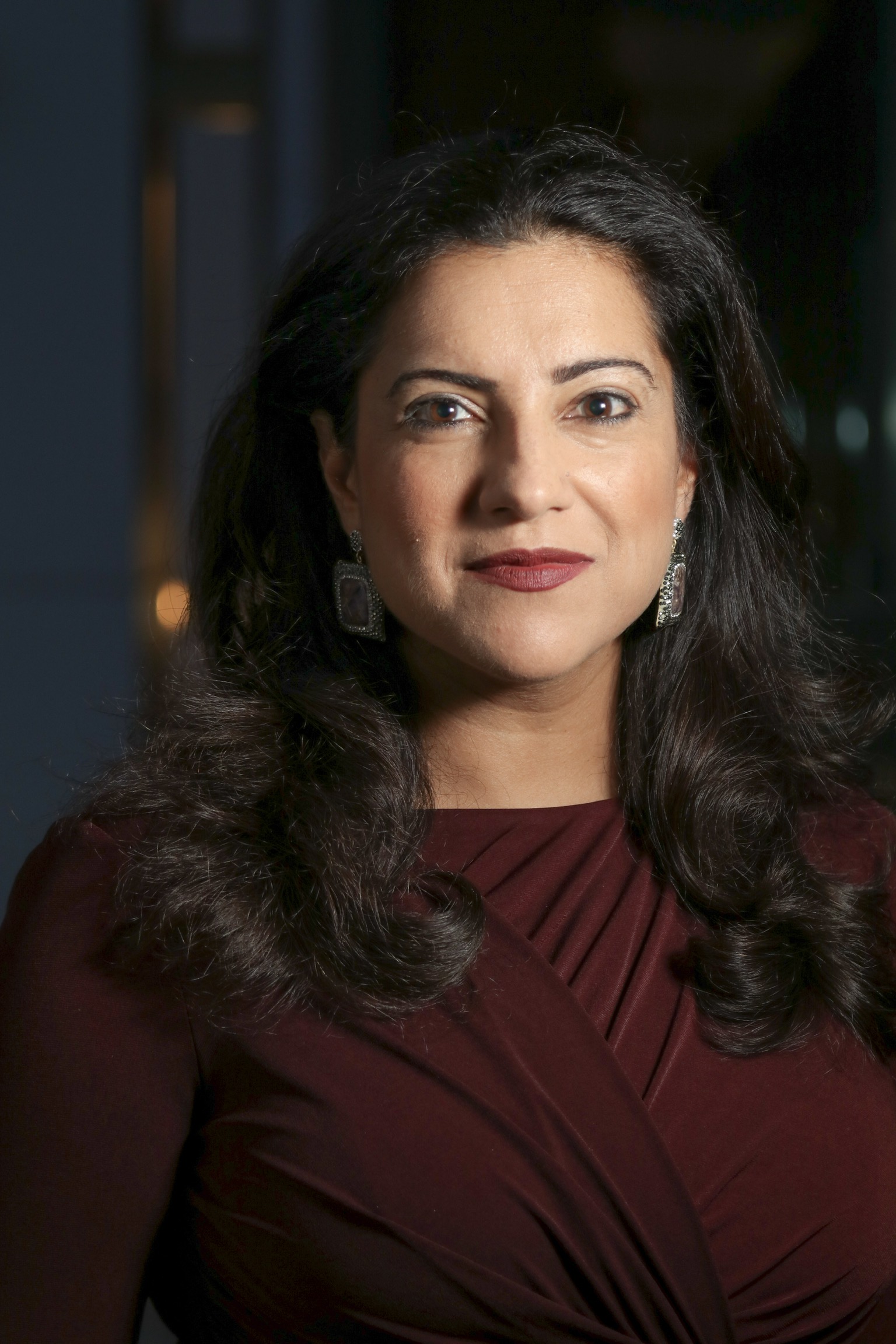
Reshma Saujani — Technology / Education / Advocacy
Reshma Saujani founded Girls Who Code in 2012, an organisation that has since taught computer science and coding skills to millions of girls and young women across the United States and in over forty countries, explicitly aimed at closing the gender gap in technology. Her 2019 TED Talk, Teach Girls Bravery Not Perfection, has been viewed millions of times, articulating a central argument: that cultural expectations of perfectionism hold girls back from the risk-taking that learning and innovation require. She also founded Moms First, an advocacy organisation focused on childcare access, paid leave, and women's workforce re-entry in the United States. A regular voice in policy discussions about technology education, workforce diversity, and women's economic empowerment, in 2026 her combination of institutional leadership, public advocacy, and media presence makes her one of the more effective voices at the intersection of technology, gender equity, and economic opportunity for women at multiple career stages.
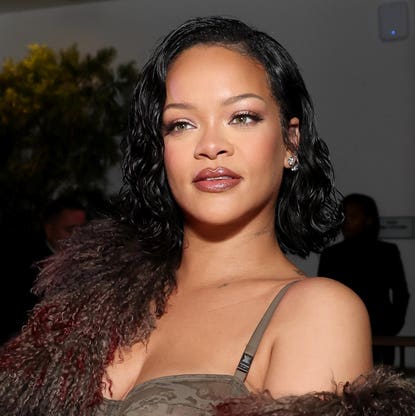
Rihanna — Business / Culture / Entertainment
Robyn Fenty, professionally known as Rihanna, is one of the best-selling music artists in history and an equally significant global business figure through founding Fenty Beauty in 2017 and Savage X Fenty in 2018. Fenty Beauty launched with forty foundation shades when most major beauty brands offered far fewer options for darker skin tones, triggering industry-wide rethinking of shade range and inclusive beauty. The brand reached approximately $550 million in revenues within its first full year and transformed Rihanna into a billionaire. Savage X Fenty, a lingerie brand positioned on body inclusivity and size diversity, attracted investment valuing it at over $1 billion. Her 2023 Super Bowl halftime performance while visibly pregnant attracted one of the event's largest television audiences in history. In 2026, she represents a new archetype of the artist-entrepreneur who builds cultural and commercial influence simultaneously, using her platform to advance inclusivity values with demonstrable and sustained commercial effect.
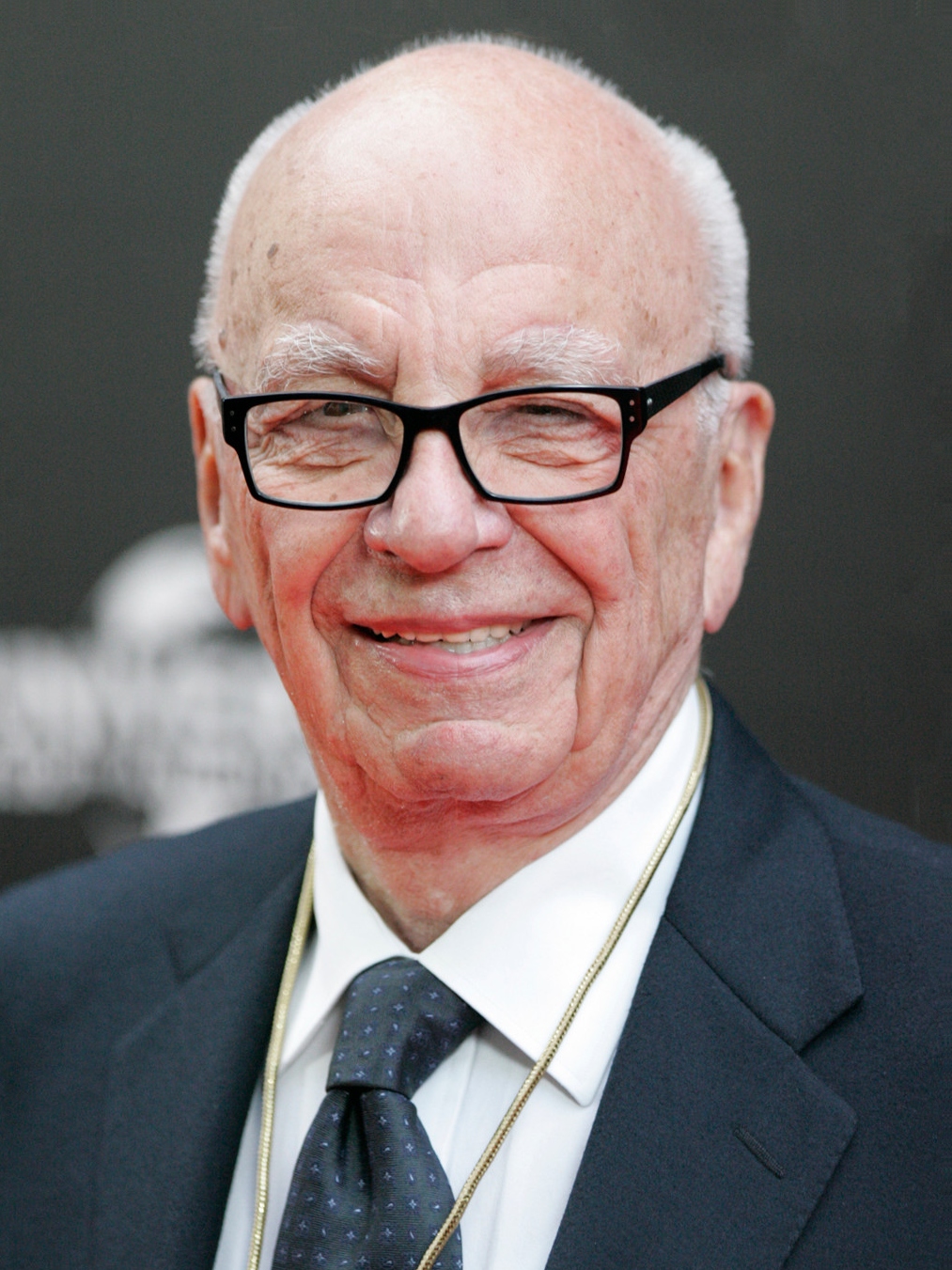
Rupert Murdoch — Media
Rupert Murdoch built News Corporation into one of the world's largest and most politically influential media conglomerates, with properties spanning newspapers, television, film studios, and digital media across the United States, United Kingdom, and Australia. He stepped down as executive chairman of News Corp and Fox Corporation in 2023, handing leadership to his son Lachlan, while retaining the title of Chairman Emeritus and significant ownership. His media empire has had extraordinary impact on political discourse in the English-speaking world, with Fox News, The Sun, The Times, and The Australian demonstrably influencing elections and public opinion across multiple decades. Now in his nineties, Murdoch retains active shareholder influence, and succession dynamics among his children continue attracting attention as one of the most consequential questions in global media ownership.
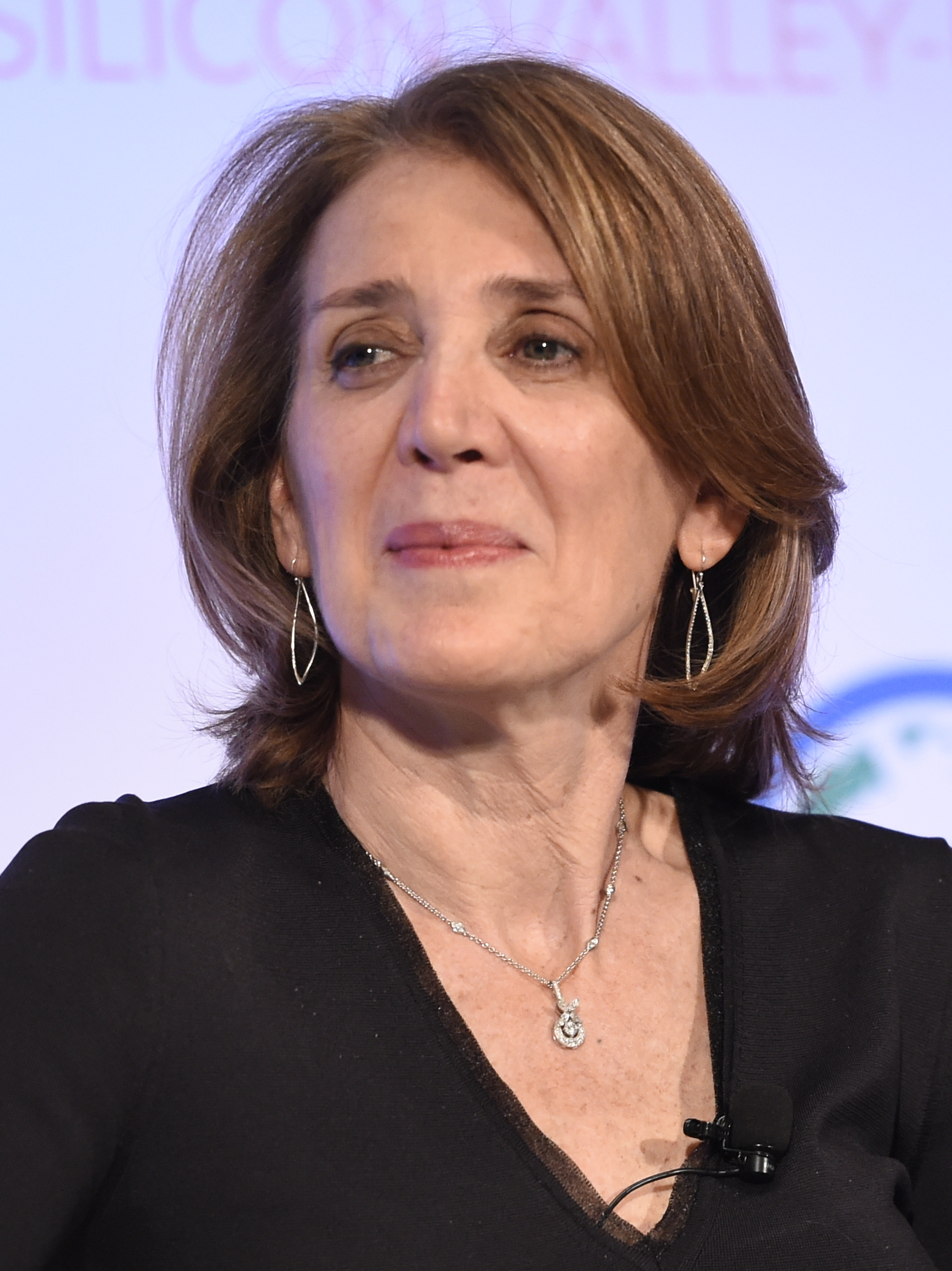
Ruth Porat — Technology / Finance
Ruth Porat serves as President and Chief Investment Officer of Alphabet, Google's parent company, having served as its Chief Financial Officer since 2015. Before joining Alphabet, she was CFO of Morgan Stanley, one of Wall Street's most senior finance roles. Her arrival at Alphabet was widely credited with bringing financial discipline to a company that had grown rapidly with limited attention to cost management, and her influence on the organisation's financial culture has proven lasting. As CIO, she oversees Alphabet's investment strategy including significant commitment to AI infrastructure and investments in healthcare technology through Verily. A consistent advocate for expanding technology's social impact and broadening digital access, she has also been a visible figure in discussions about gender equity in technology and finance, drawing on personal experience as one of the few women to have held CFO roles at both major technology and financial institutions. Her influence in 2026 extends well beyond her formal title.
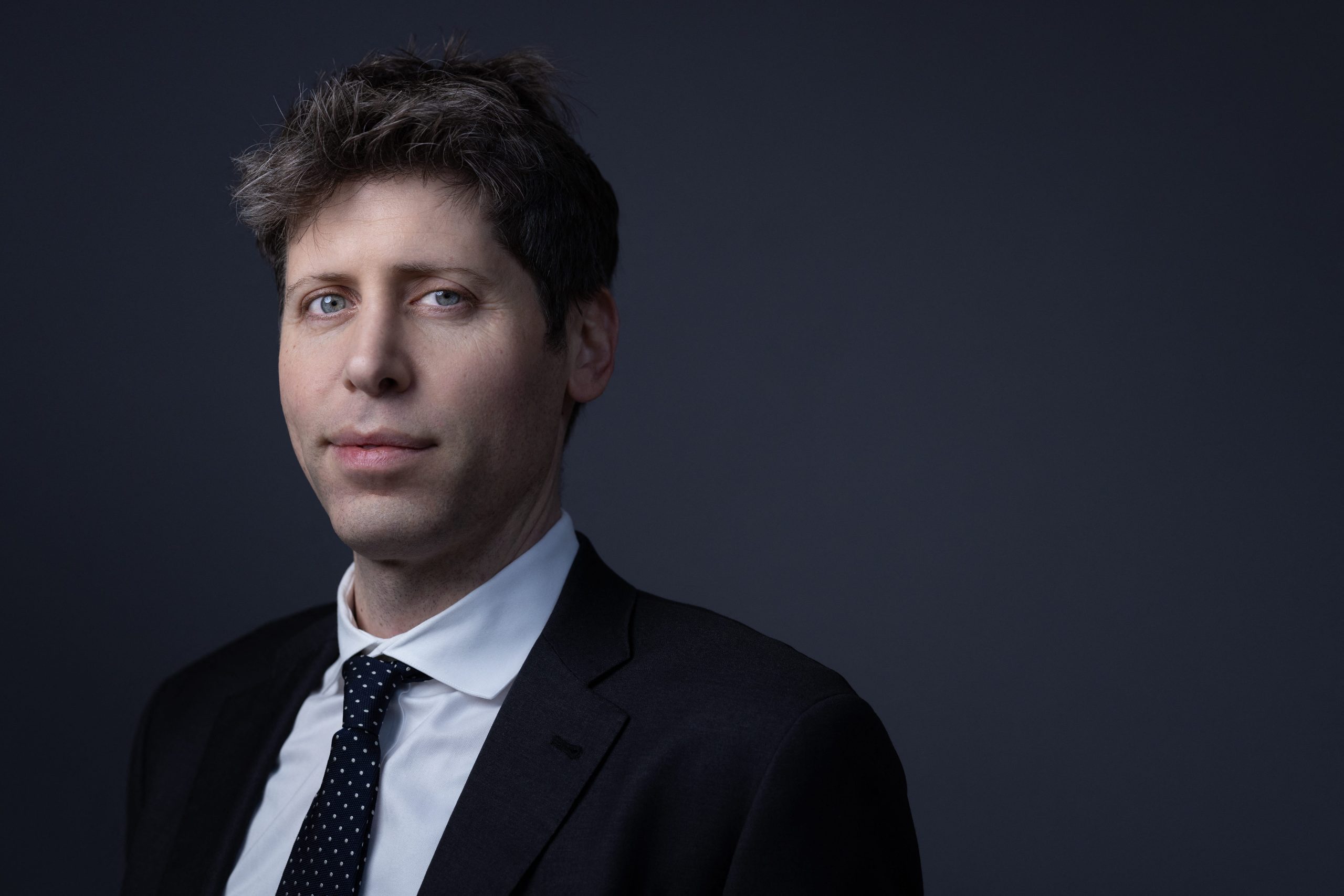
Sam Altman — Artificial Intelligence
Sam Altman became CEO of OpenAI in 2019 and led the organisation through its transformation from a research laboratory into the most prominent AI company in the world. The release of ChatGPT in November 2022 triggered the most significant public engagement with artificial intelligence in history, positioning OpenAI and Altman at the centre of a technological and cultural moment that continues to reverberate globally. His tenure has been defined by extraordinary growth, navigating OpenAI's transformation into a global institution while engaging substantively with policymakers on AI governance. In 2026, Altman is one of the most recognised technology leaders globally, leading the development of increasingly capable AI systems while contributing meaningfully to the global conversation about AI's societal implications, including direct policy engagement with legislators and executive officials in Washington DC.
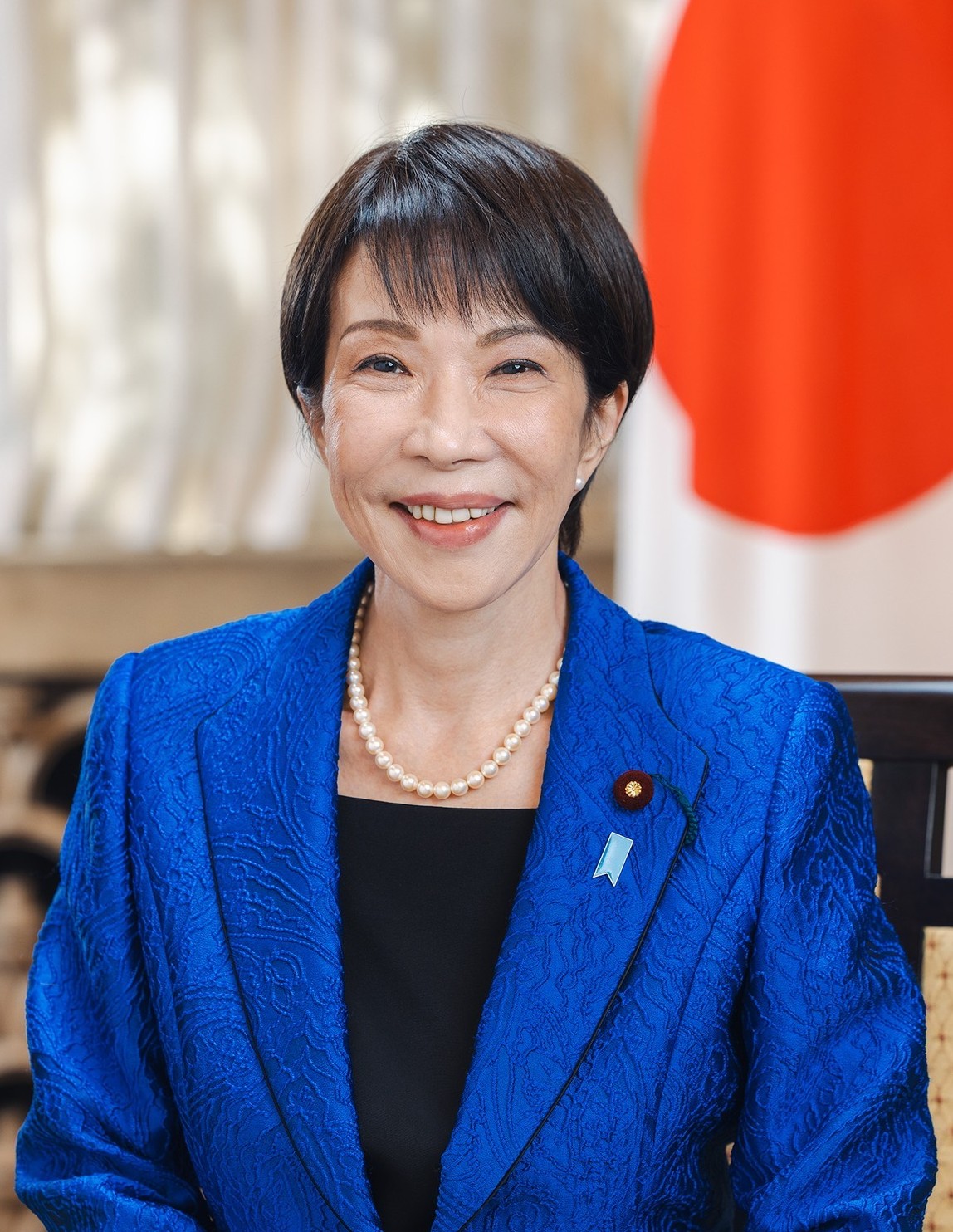
Sanae Takaichi — Politics / Government
Sanae Takaichi became Prime Minister of Japan in October 2025, the first woman to lead the country in its modern democratic history. A prominent figure in the Liberal Democratic Party and a protege of former Prime Minister Shinzo Abe, she advocates for constitutional revision, stronger defence posture, and aggressive economic stimulus through what she calls Sanaenomics. Her election was historic for gender representation and signalled LDP appetite for continuity on defence and economic policy amid significant regional security concern. In 2026, she leads Japan through significant strategic adjustment including record defence spending, deepening security partnerships with the United States, South Korea, and Australia, and an economic policy focused on wage growth and domestic investment. Japan's status as the world's fourth-largest economy gives her leadership significant international weight, and reflects growing recognition of Japan's centrality to regional security architecture.
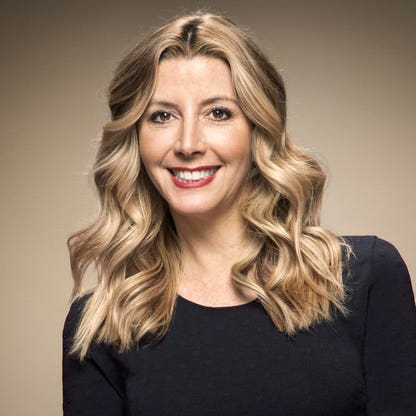
Sara Blakely — Consumer Goods / Entrepreneurship
Sara Blakely founded Spanx in 2000 with $5,000 in savings and no external funding, growing it into a global shapewear and apparel brand before selling a majority stake to Blackstone in 2021 at a $1.2 billion valuation, making her a self-made billionaire and one of the most recognised examples of consumer goods entrepreneurship built without venture capital. Known for a philosophy emphasising embracing failure as a learning mechanism, a value she traces to her father asking her each week what she had failed at during childhood, she has spoken extensively about this approach at conferences globally. Since the Blackstone transaction, she has maintained a significant role in Spanx's leadership and pursued investment activity through her family office. In 2026, she is one of the most visible advocates for entrepreneurship and founder mentality, particularly among women building consumer businesses, demonstrating that genuine commercial success can be achieved without conforming to the Silicon Valley venture capital template.
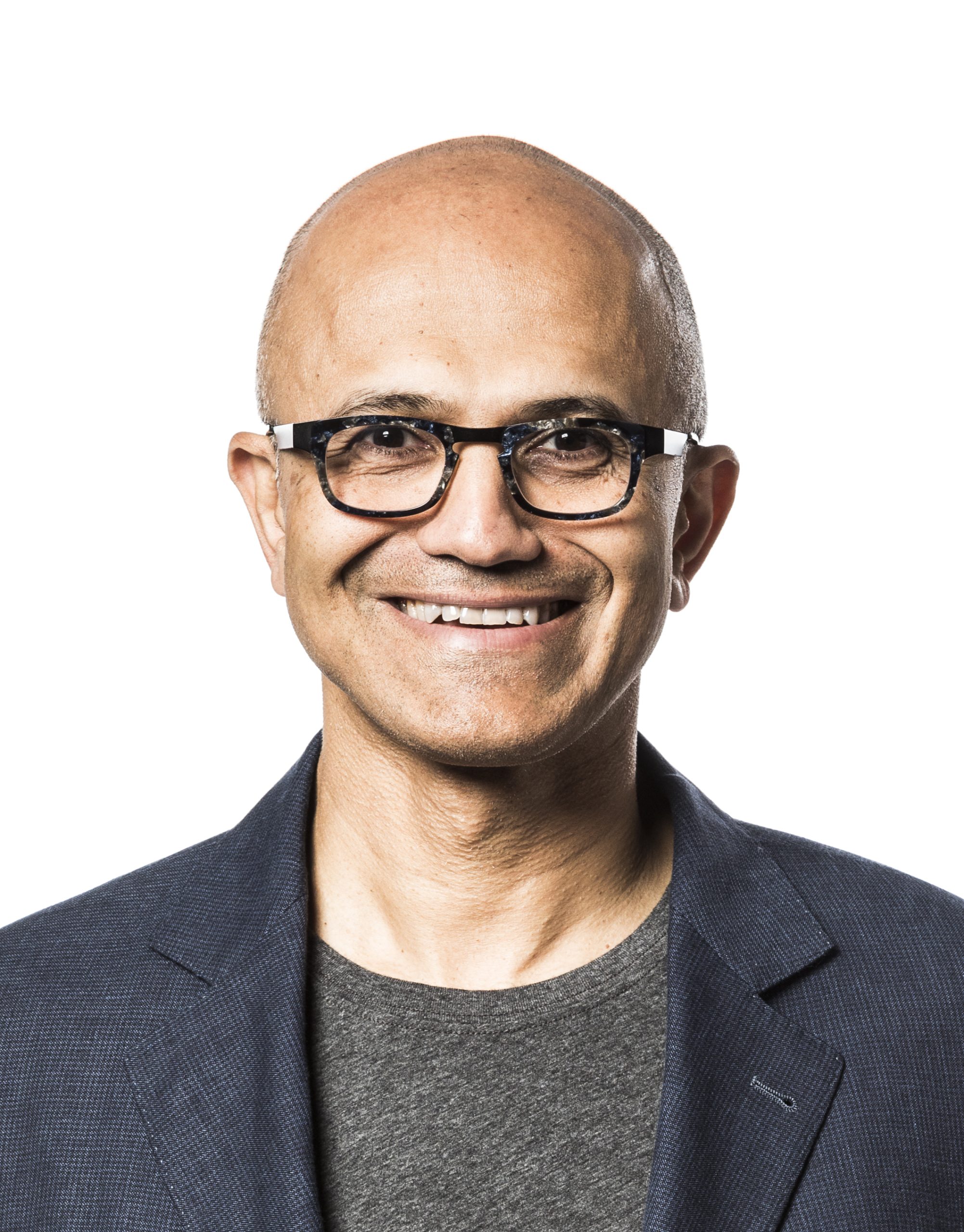
Satya Nadella — Technology / Cloud Computing
Satya Nadella became CEO of Microsoft in 2014 and has overseen one of the most successful corporate transformations in technology history. When he took over, Microsoft was widely regarded as having missed the smartphone era. Under his leadership, Microsoft repositioned around cloud computing through Azure, embraced open-source software after decades of opposition, acquired GitHub, LinkedIn, and Activision Blizzard, and made an early and large bet on OpenAI that positioned Microsoft as the company most directly associated with commercialising generative AI. He became Chairman in addition to CEO in 2021. His leadership philosophy, shaped significantly by Carol Dweck's growth mindset concept, has been credited with transforming Microsoft's internal culture from a combative stack-ranking environment into one oriented toward collaboration and learning. In 2026, Microsoft is among the world's most valuable companies and Nadella is consistently rated among the most effective technology CEOs, notable for combining strategic vision, cultural leadership, and operational execution simultaneously.
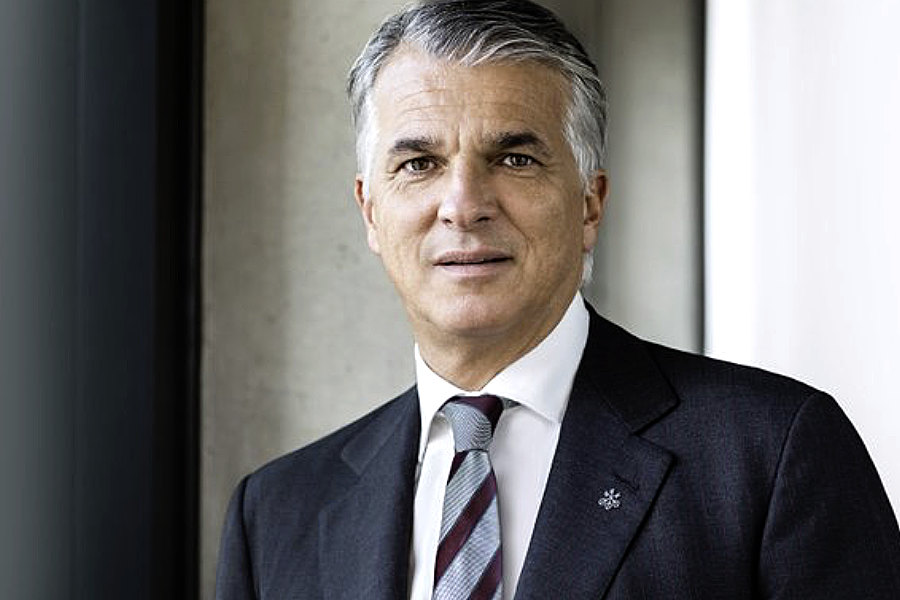
Sergio Ermotti — Finance / Banking
Sergio Ermotti returned to the CEO role at UBS in April 2023, having previously led the bank from 2011 to 2020, to manage the extraordinary challenge of integrating Credit Suisse, which UBS acquired in an emergency government-brokered rescue in March 2023 following Credit Suisse's collapse. The acquisition was the most significant bank merger in Europe since the global financial crisis, presenting Ermotti with exceptional complexity: absorbing a troubled institution across multiple jurisdictions, managing integration of tens of thousands of employees, and maintaining UBS's own stability and client confidence. A Swiss-Italian banker who built his career at Goldman Sachs, Merrill Lynch, and UniCredit, he is known for a direct, commercially focused leadership style. His management of the Credit Suisse integration, involving significant job cuts and business restructuring, has been broadly assessed as disciplined and effective. In 2026, UBS under Ermotti is one of the world's largest wealth managers, with the full picture of the integration still emerging.
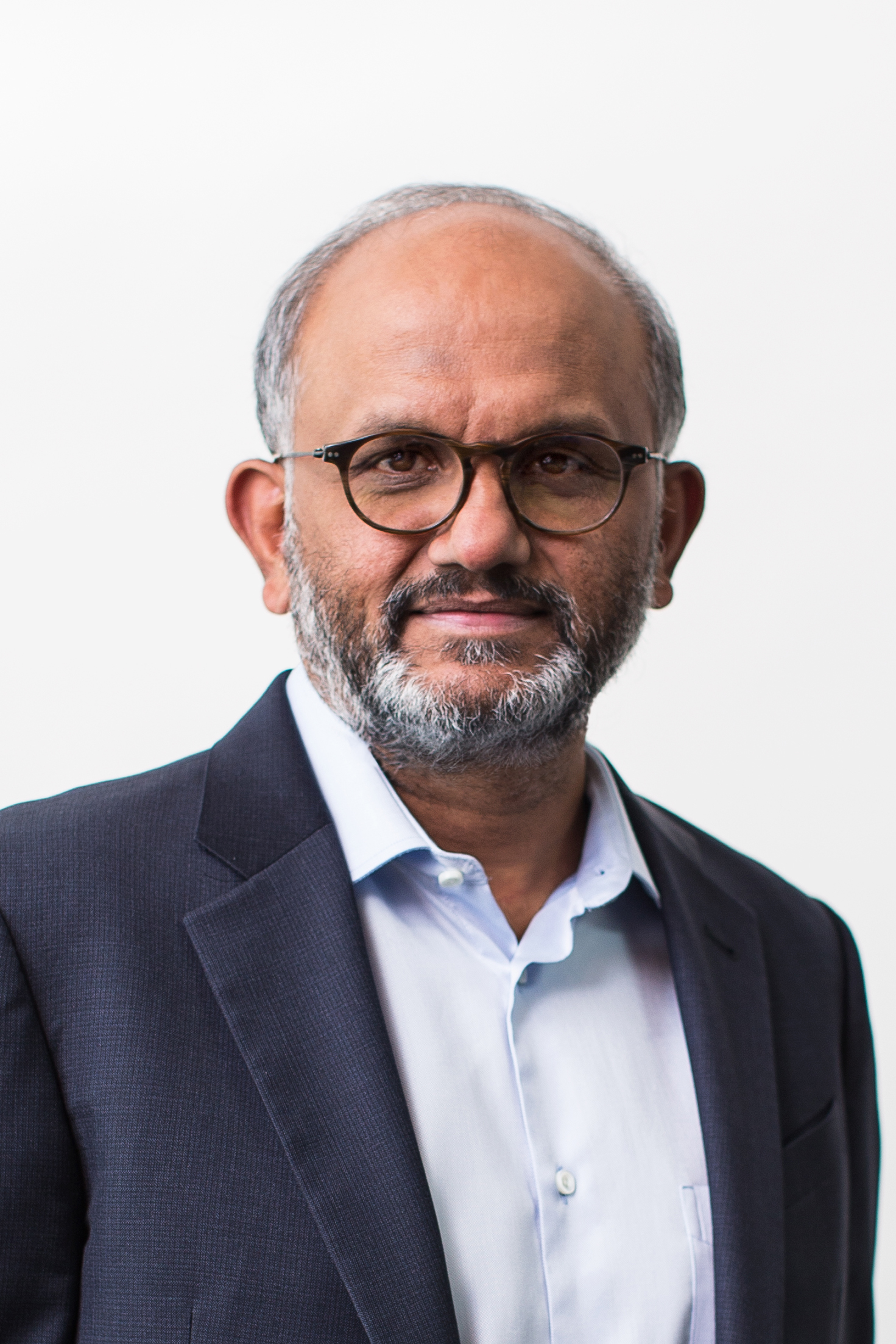
Shantanu Narayen — Technology / Software
Shantanu Narayen has led Adobe since becoming CEO in 2007, overseeing a transformation taught in business schools as one of the most successful business model transitions in modern software history. Adobe migrated its flagship creative software, including Photoshop, Illustrator, and Premiere Pro, from one-time purchases to subscription-based Creative Cloud, significantly increasing recurring revenue predictability. The transition, requiring short-term revenue disruption and internal conviction to sustain, has since been emulated by numerous enterprise software companies. Narayen also expanded Adobe's focus to experience management software through the Marketo acquisition and development of Adobe Experience Cloud. His recent AI work produced Firefly, a generative AI tool designed for commercial creative use with a specific focus on copyright safety, addressing a concern that has limited enterprise adoption of other AI image generation tools. Born in Hyderabad, India, in 2026 he remains one of the most respected figures in enterprise software leadership globally, his career spanning two decades of industry transformation.
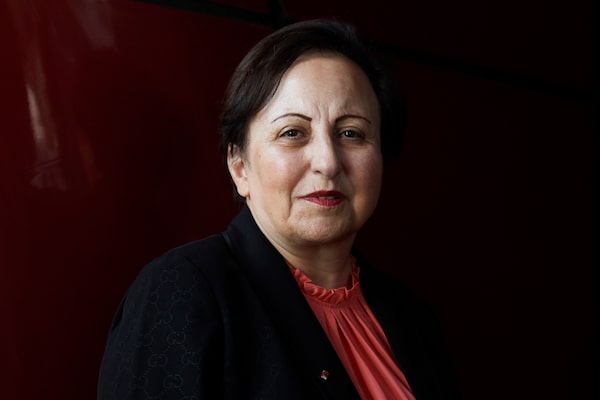
Shirin Ebadi — Human Rights / Law
Shirin Ebadi is an Iranian lawyer and human rights advocate who received the Nobel Peace Prize in 2003, the first Muslim woman and first Iranian to receive the honour. A former judge removed from the bench after the 1979 Islamic Revolution because the government did not recognise women as qualified to serve as judges, she retrained as a lawyer and became one of Iran's most prominent defenders of women, children, and political prisoners. She founded the Defenders of Human Rights Center in Iran, subsequently forced to close by the government, and has lived in exile since 2009. From exile in the United Kingdom, she continues her advocacy, focused particularly on the women's rights movement that intensified significantly following Mahsa Amini's death in 2022. In 2026, her willingness to name specific abuses and her credibility as a Nobel laureate make her one of the most effective and courageous advocates for democratic and human rights values in the context of Iran.
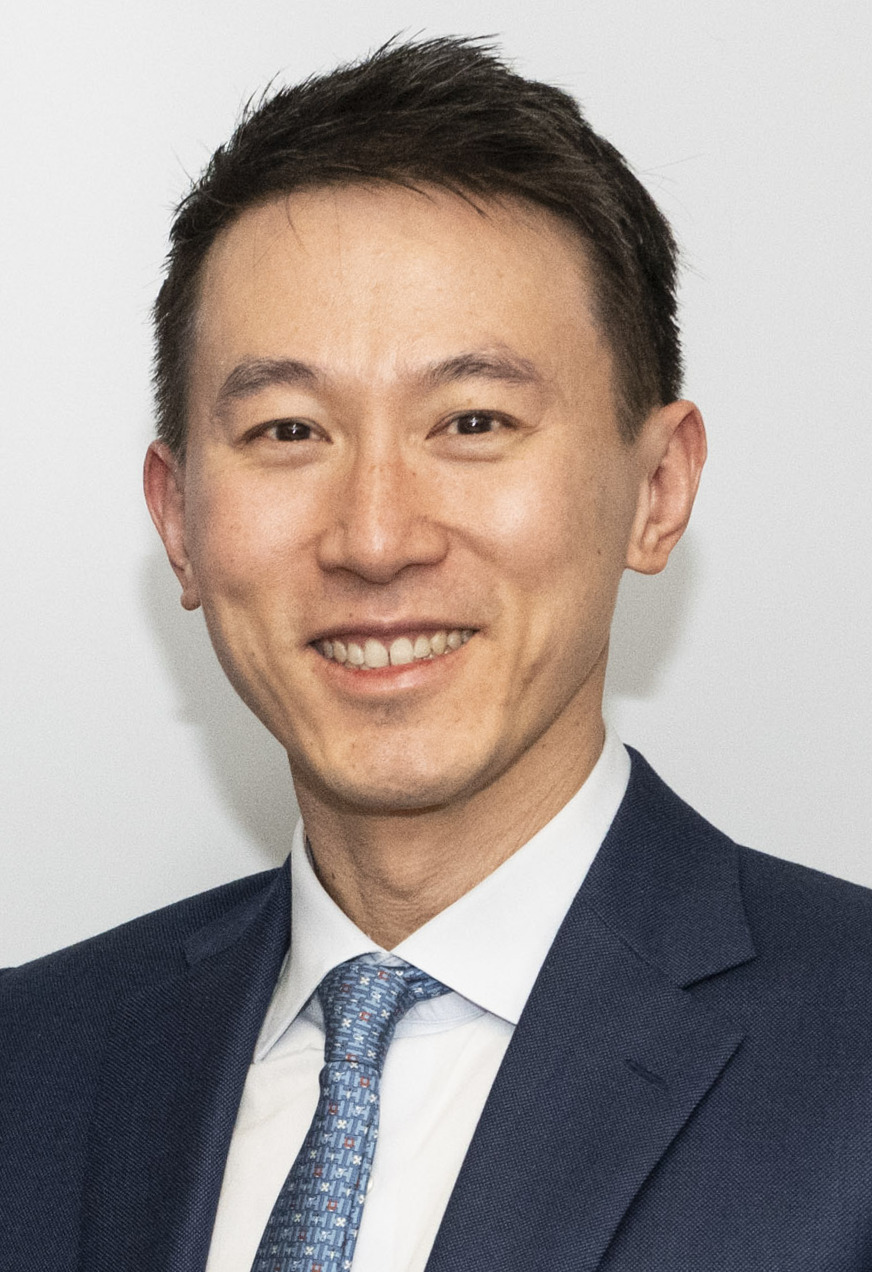
Shou Zi Chew — Technology / Social Media
Shou Zi Chew became CEO of TikTok in May 2021 and has led the company through arguably the most sustained regulatory pressure faced by any social media platform in the modern era. TikTok, long owned by Chinese company ByteDance, was subject to US national security concerns over potential Chinese government access to American user data, culminating in a divest-or-ban law upheld by the Supreme Court. That standoff was resolved in January 2026, when ByteDance divested TikTok's US operations into a new joint venture majority-owned by Oracle, Silver Lake and Abu Dhabi's MGX, with ByteDance retaining just under 20%. Chew remains TikTok's global CEO and sits on the new US entity's board, with Adam Presser installed as CEO of the American venture. A Singaporean national who studied at University College London and Harvard Business School, Chew testified before the US Congress in 2023 in a session watched by tens of millions, his composure under hostile questioning widely noted as a study in crisis communication. In 2026, with the platform's US future secured and a global user base well over a billion, his navigation of one of the decade's most fraught corporate-geopolitical entanglements stands as a defining episode in how democracies and global platforms negotiate ownership and control.
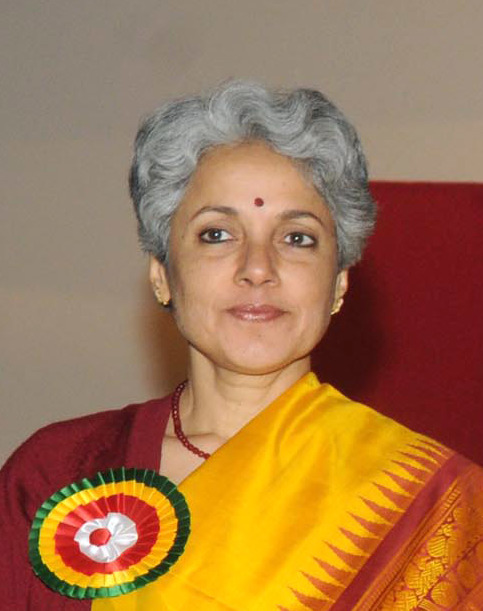
Soumya Swaminathan — Global Health / Science
Soumya Swaminathan served as Chief Scientist of the World Health Organization from 2019 to 2022, one of the institution's most demanding periods, navigating the scientific communication and policy challenges of the COVID-19 pandemic at global scale. An Indian paediatrician and clinical scientist specialising in tuberculosis, she built her career at the Indian Council of Medical Research before joining WHO. During the pandemic, she was among the most visible scientific communicators associated with the global health response. Since leaving WHO, she has taken on advisory roles including chairing the Multi-Stakeholder Coordination group on AI and health. A consistent advocate for evidence-based health communication and equitable global access to health technologies including vaccines. In 2026, her experience straddling research, global health governance, and public communication during the most significant health emergency of the century makes her one of the most credible voices on the intersection of science, institutional policy, and public trust in expert knowledge.
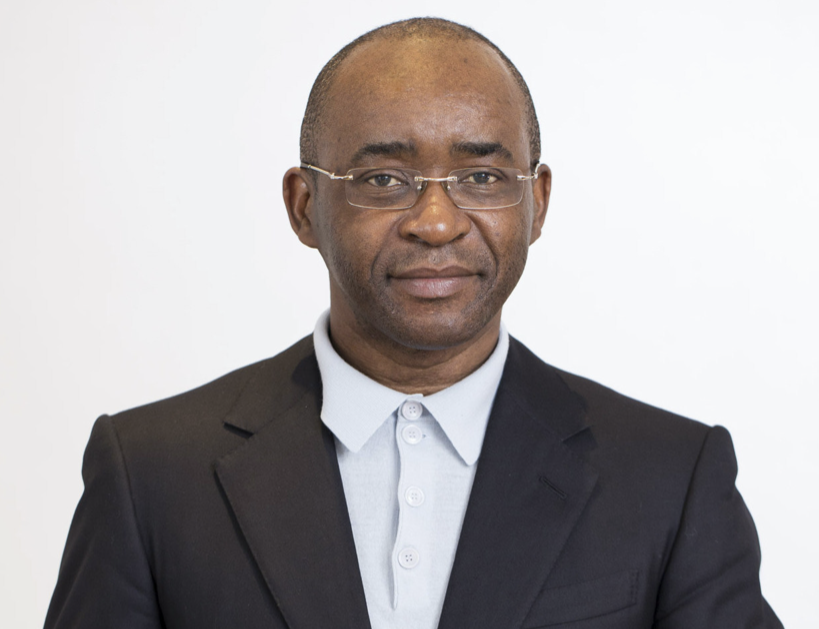
Strive Masiyiwa — Telecommunications / Philanthropy
Strive Masiyiwa is the founder and executive chairman of Econet Group, one of Africa's largest technology and telecoms companies, with operations spanning telecommunications, fintech, media, and energy across a dozen African countries. Born in Zimbabwe, he faced years of legal and regulatory obstruction from the Zimbabwean government before winning the right to operate a mobile network in the late 1990s, and built Econet from that foundation into a pan-African enterprise. The Higherlife Foundation he and his wife Tsitsi established has provided scholarships, education, and care to hundreds of thousands of African children, many orphaned by HIV/AIDS. Masiyiwa is unusual among major African business leaders for the consistency and depth of his philanthropic engagement, also serving as an African Union envoy and engaging with major multilateral institutions. In 2026, his combination of commercial building, philanthropy, and advocacy makes him one of Africa's most distinctive, internationally recognised, and genuinely consequential business figures.
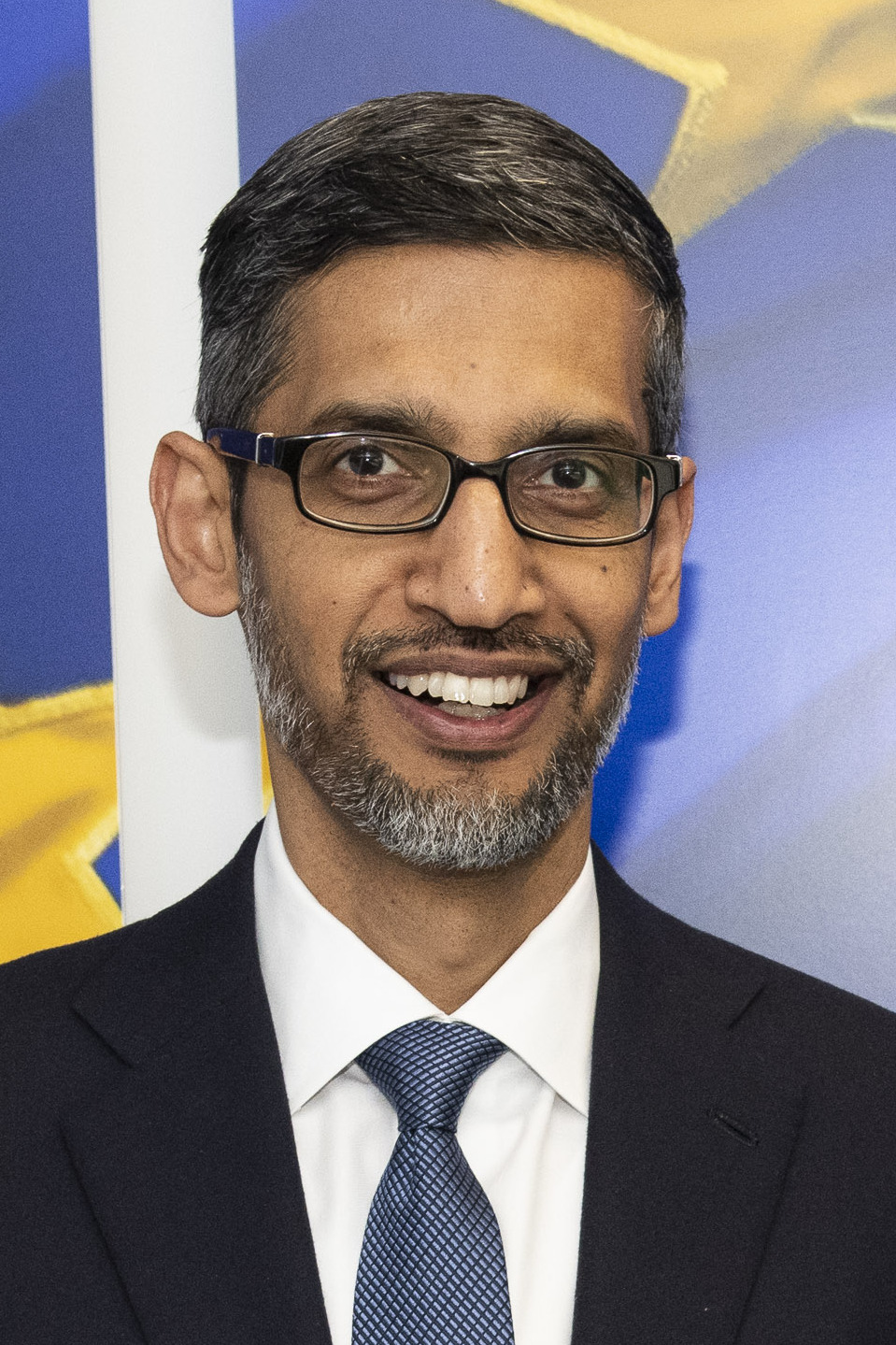
Sundar Pichai — Technology / Artificial Intelligence
Sundar Pichai has served as CEO of Google since 2015 and of Alphabet since 2019, having joined Google in 2004 and led Chrome to become the world's dominant web browser. Born in Chennai, India, he studied at IIT Kharagpur before earning graduate degrees from Stanford and Wharton. His tenure has coincided with the most intense competitive period in Google's history, as artificial intelligence threatens the search-based advertising business model central to its revenue. Pichai has invested heavily in Google's AI capabilities through Google DeepMind and the Gemini model family, while navigating antitrust proceedings in the United States and Europe. In 2026, ahead of delivering the Stanford commencement address, his candid acknowledgement that humans are not evolved to process the scale of AI-driven change underway has been widely noted for its honesty, distinguishing him from executives who have offered only uncritical optimism about artificial intelligence's impact on the workforce and human society more broadly.
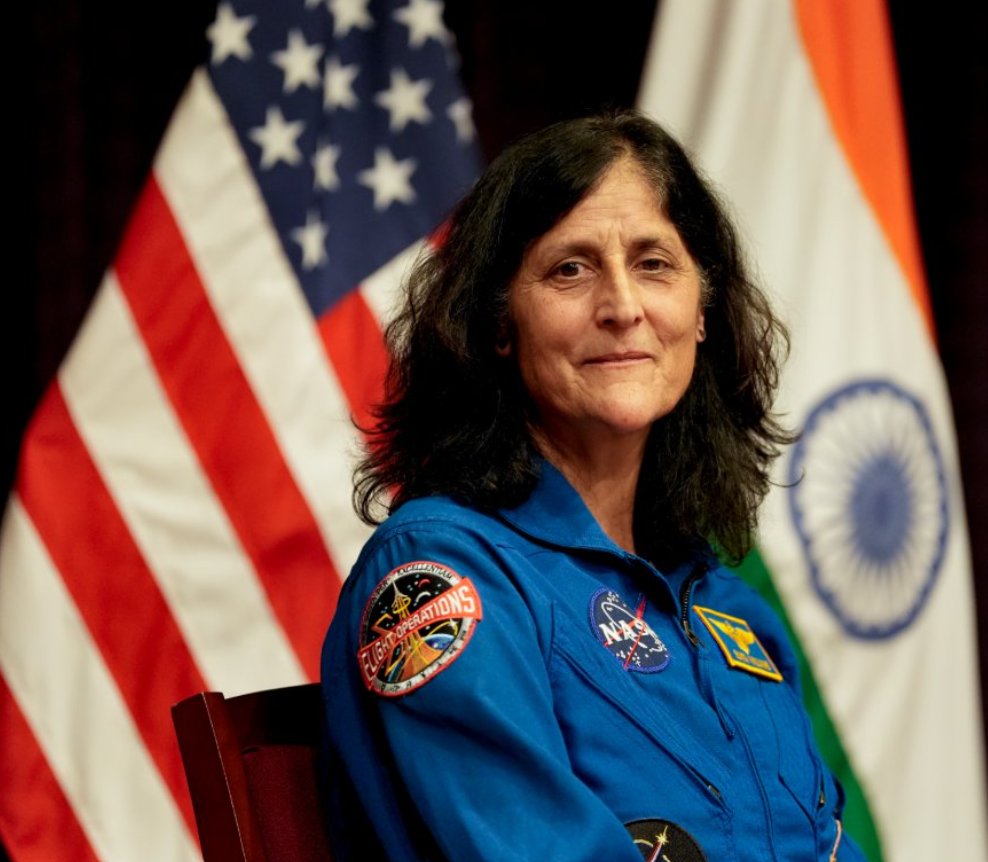
Sunita Williams — Science / Space Exploration
Sunita Williams is a NASA astronaut who has become one of the most recognised figures in global space exploration, holding records for total spacewalk time and total spacewalks by a female astronaut. A former US Navy test pilot with an engineering background, she has completed two long-duration missions to the International Space Station and logged over three hundred days in space across her career. In 2024, she travelled to the ISS aboard Boeing's Starliner spacecraft in what was intended as a short mission but became an extended stay due to technical issues with the vehicle, keeping her aboard the station for significantly longer than planned. Her composure and professionalism throughout the extended mission, during which she continued conducting scientific research, was widely admired globally. In 2026, with commercial space expanding and public interest in human spaceflight at a high point, Williams represents both the rigorous professionalism of NASA's astronaut corps and the human dimensions of space exploration that capture the imagination of audiences far beyond the scientific community.
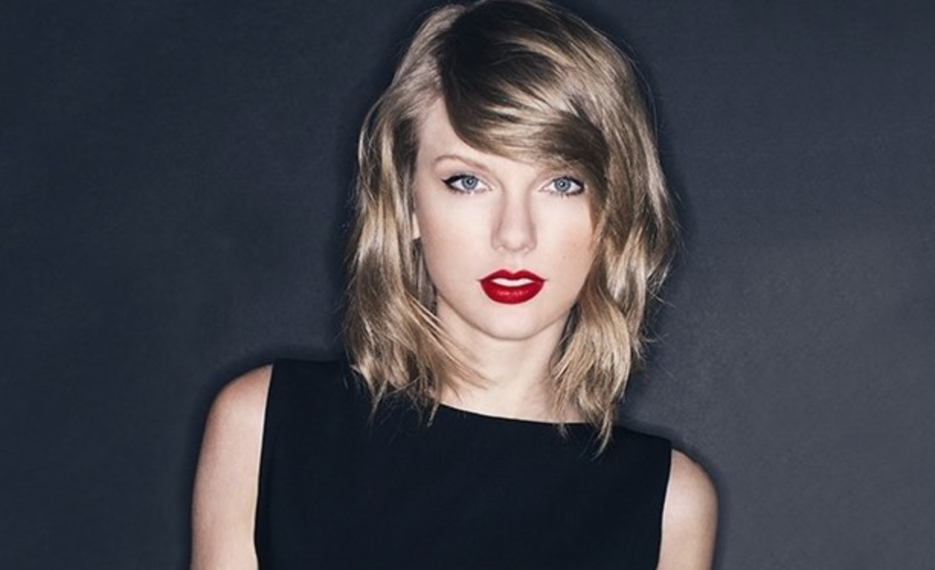
Taylor Swift — Entertainment / Culture
Taylor Swift is the most commercially successful musician of her generation and one of the most significant cultural figures of the 2020s. Her Eras Tour became the first concert tour in history to gross over one billion dollars, generating documented economic impacts in the billions across host cities and prompting economists to study her cultural and commercial influence under the term Swiftonomics. Her public dispute with talent manager Scooter Braun over ownership of her masters, resolved by re-recording her first six albums, established a template influencing how artists approach ownership negotiations and contributed to a broader industry conversation about creators' rights. Among the most politically visible American artists of recent years, particularly in encouraging youth voter registration. In 2026, Swift is a global cultural phenomenon whose economic influence, strategic intelligence, and public platform place her in a category of influence extending well beyond music into economics, politics, and the cultural conversation about what female success and agency look like in practice.
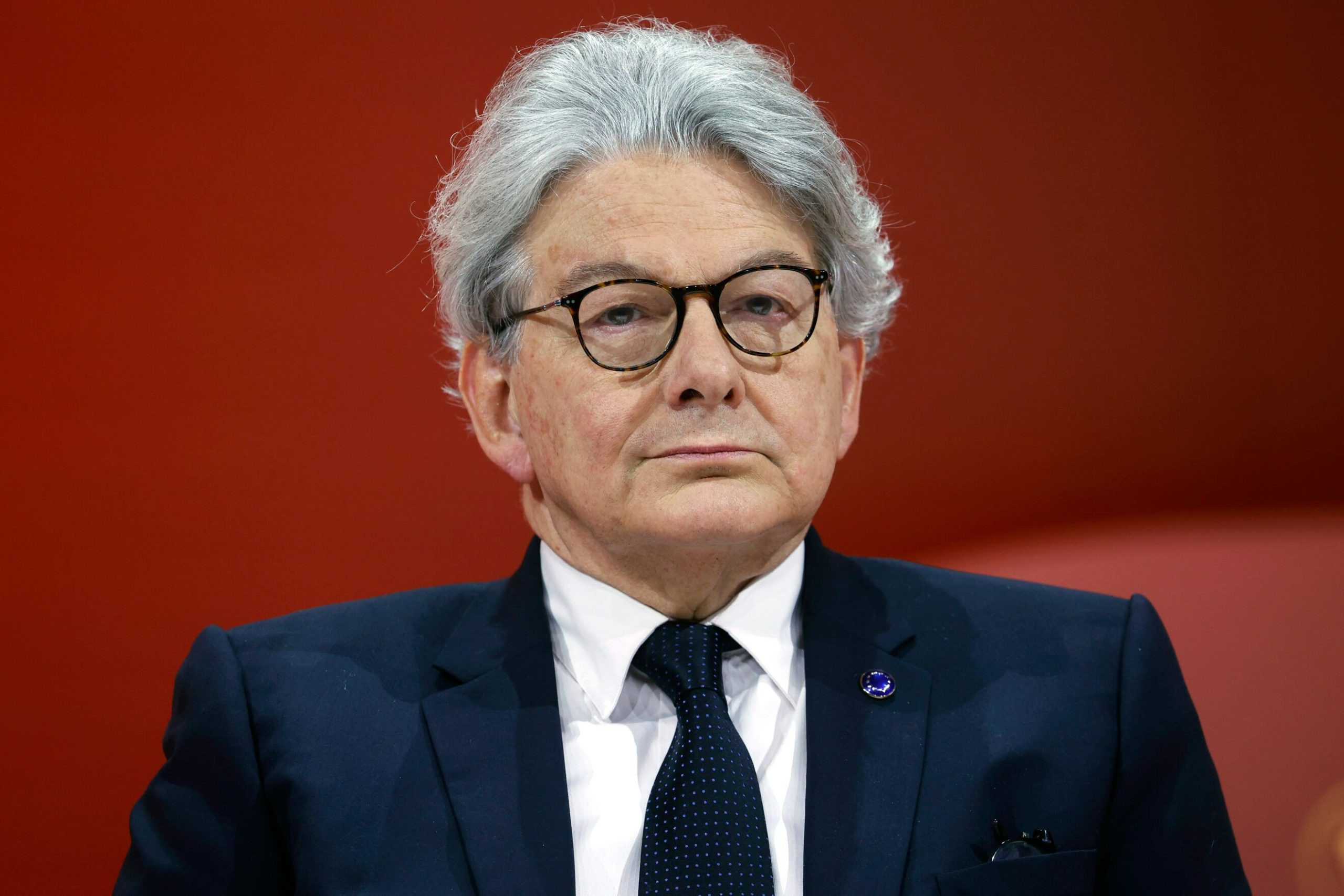
Thierry Breton — Technology Policy / Business
Thierry Breton served as European Commissioner for the Internal Market from 2019 until his resignation in September 2024 amid disputes with European Commission President Ursula von der Leyen. He was one of the most consequential and assertive technology regulators globally, playing a central role in shaping the Digital Services Act and Digital Markets Act, the most significant expansion of technology regulation in Europe in a generation. Known for an unusually direct communication style, he publicly confronted major technology platforms including X and Meta about their compliance obligations. Before his EU career, he was CEO of France Telecom and IT services group Atos, and served as France's Finance Minister from 2004 to 2007, giving him unusual breadth spanning both commercial leadership and regulatory authority. In 2026, the regulatory frameworks he helped design continue shaping how technology companies operate in Europe and increasingly globally, giving him lasting influence on technology governance even after his departure from direct institutional involvement.
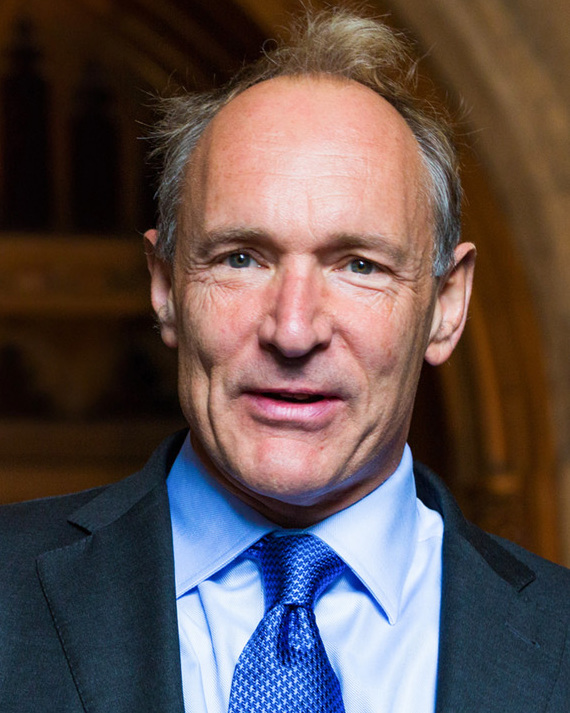
Tim Berners-lee — Technology / Internet Governance
Tim Berners-Lee invented the World Wide Web in 1989 while working at CERN, creating a system of hypertext documents accessible via the internet that transformed how humanity communicates, accesses information, and conducts commerce. He made the Web available to the public without patents or royalties, a decision of extraordinary historical consequence, and has since devoted his career to ensuring the Web remains open, decentralised, and accessible. He founded the World Wide Web Consortium and the World Wide Web Foundation, which advocates for universal internet access and the Web as a public good. More recently, he has been working on the Solid project, a technical framework allowing individuals to store personal data in their own Pods rather than surrendering it to dominant platforms, representing his response to the Web's deviation from its founding decentralised vision. In 2026, he is one of very few living individuals whose work has demonstrably and fundamentally changed how every person on earth lives, and his continued advocacy carries unusual moral weight.
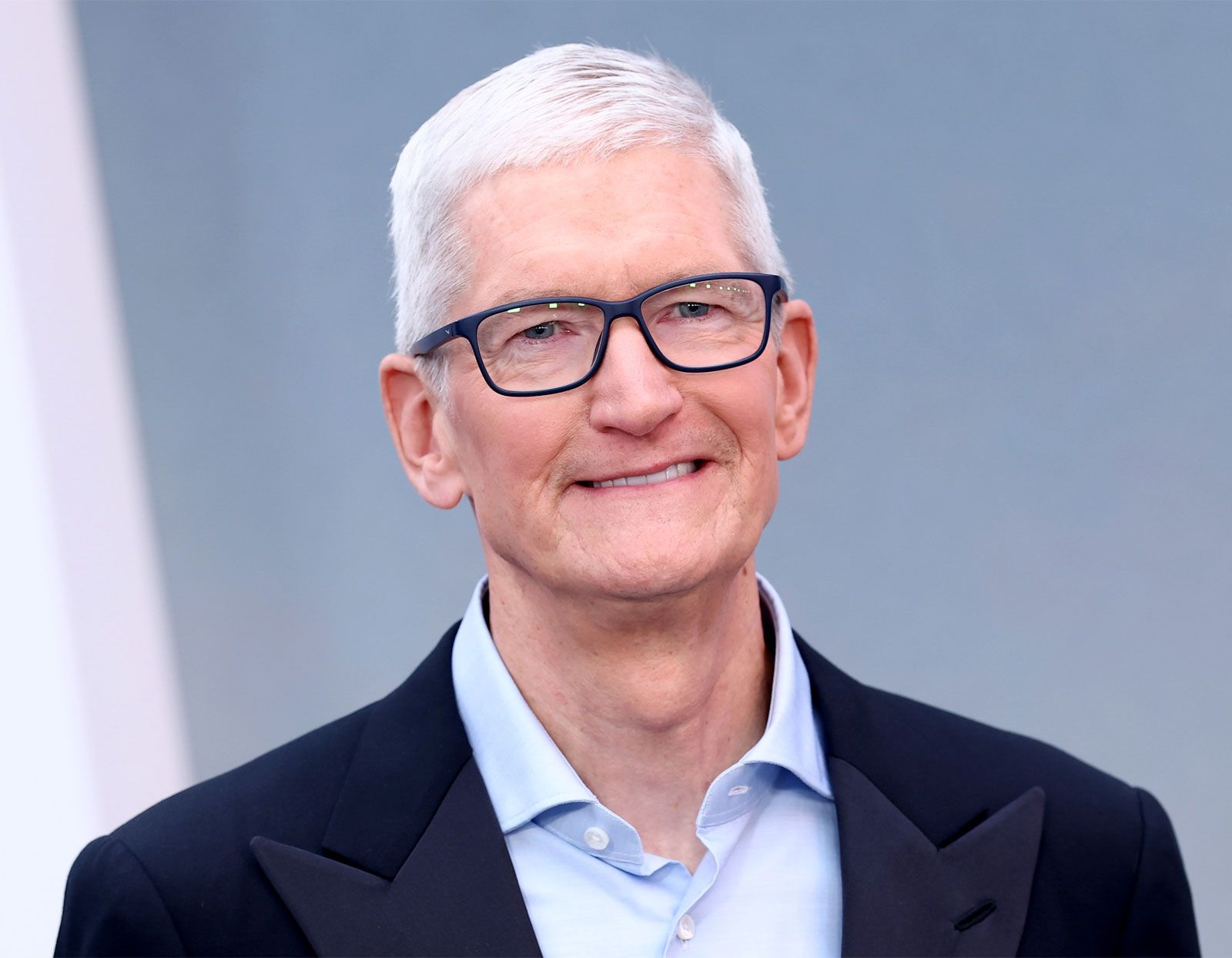
Tim Cook — Technology / Consumer Electronics
Tim Cook has served as CEO of Apple since August 2011, succeeding Steve Jobs, and has delivered by most financial measures the most successful CEO tenure in history, presiding over Apple's growth from approximately $350 billion to more than $3.5 trillion in market capitalisation. An Alabama native with degrees in industrial engineering and business, he joined Apple in 1998 and transformed its supply chain before becoming COO and then CEO. Under Cook, Apple launched the Apple Watch, AirPods, and Vision Pro, expanded its services business into a division generating over $100 billion annually, and navigated geopolitical tensions over manufacturing concentration in China. He has been among the more vocal major technology CEOs on social issues including LGBTQ rights, privacy, and environmental responsibility. In April 2026, Apple confirmed Cook will transition to Executive Chairman in September 2026, with John Ternus succeeding him as CEO, closing a leadership era that has been remarkable by any historical measure of corporate performance.
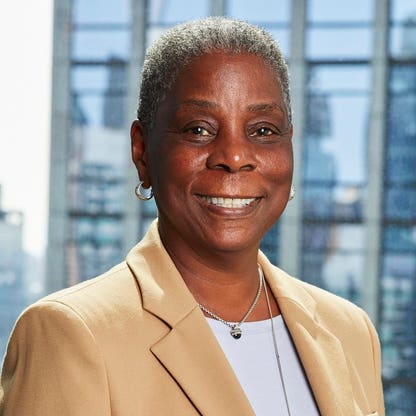
Ursula Burns — Technology / Industry
Ursula Burns served as CEO of Xerox from 2009 to 2016, becoming the first Black woman to lead a Fortune 500 company in the United States, a historic milestone in American corporate history. She joined Xerox as a mechanical engineering intern in 1980 and spent her entire career there, rising through manufacturing, product development, and executive roles before becoming CEO. Her tenure was defined by an ambitious attempt to transform the company from hardware manufacturer to business services and outsourcing company, overseeing the acquisition of Affiliated Computer Services and the subsequent split of Xerox into two public companies. Since leaving Xerox, Burns has been one of the most active voices in American corporate governance, serving on multiple major company boards and speaking consistently and directly about the importance of diversity in leadership, STEM education, and corporate obligations to the communities where large companies operate. In 2026, she remains one of the most respected and plainspoken figures in American business leadership.
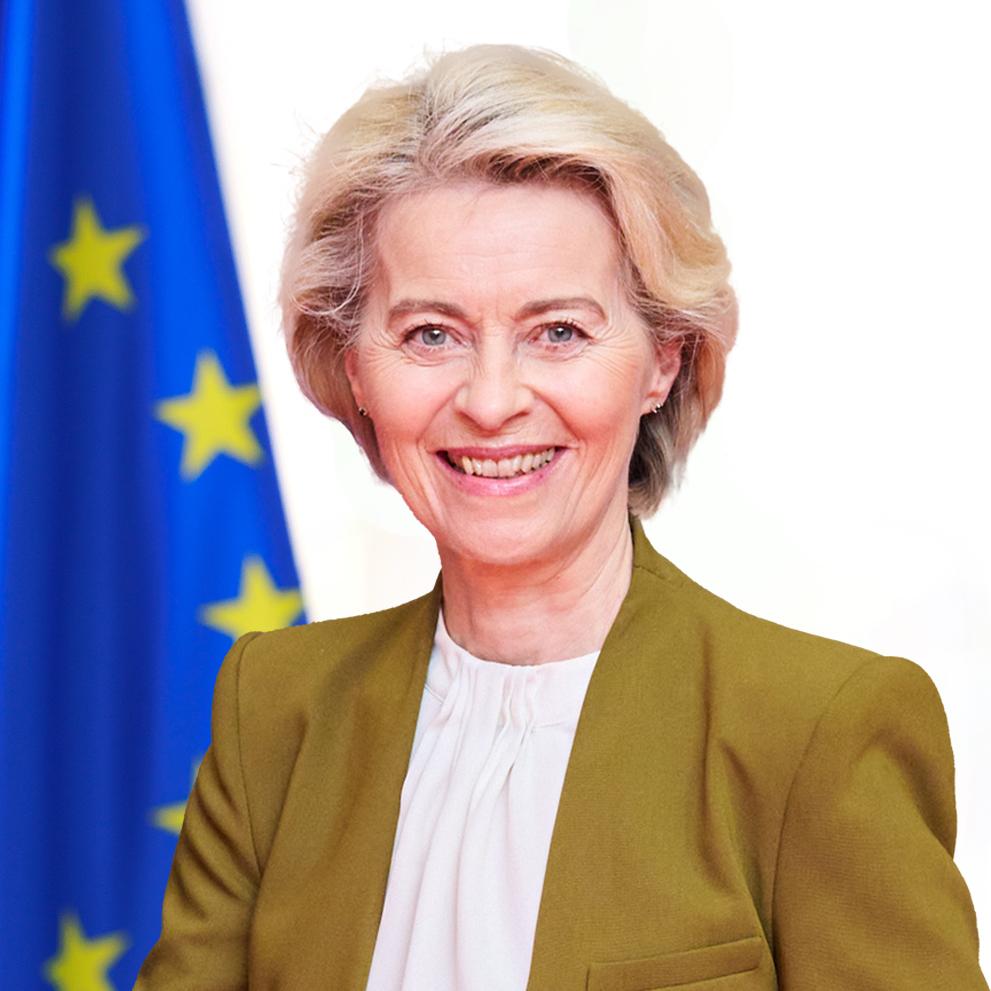
Ursula von der Leyen — Politics / Governance
Ursula von der Leyen has served as President of the European Commission since December 2019 and was re-elected for a second five-year term in 2024, the most consequential EU executive in a generation. A German physician and politician who served as Minister of Defence before her European appointment, she led the Commission through COVID-19, which prompted the EU's historic joint debt issuance for recovery funding, the war in Ukraine requiring rapid coordination on sanctions and military support, and managing the EU relationship with shifting American administrations. Von der Leyen made the European Green Deal, aiming for climate neutrality by 2050, a defining Commission project, alongside the EU AI Act. In 2026, she is one of the few leaders in the world with both the institutional mandate and personal authority to shape policy across a market of 450 million people, remaining a central figure in transatlantic relations and the ongoing project of European integration.
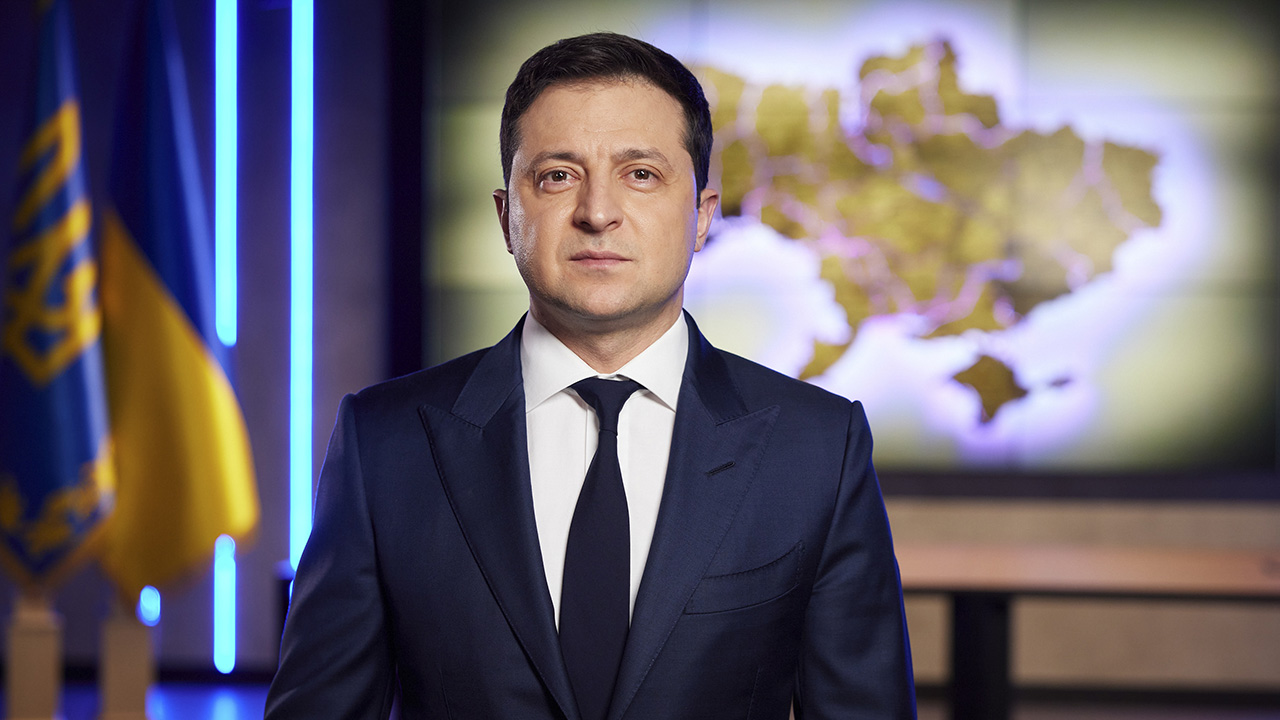
Volodymyr Zelenskyy — Politics / Government
Volodymyr Zelenskyy has served as President of Ukraine since 2019 and has led the country's resistance to Russia's full-scale invasion since February 2022, a period defining his presidency in ways unimaginable when he was elected as a former comedian and television actor. His decision to remain in Kyiv immediately following the invasion, captured in the phrase that he needed ammunition not a ride, crystallised a global response of support and became one of the most significant moments of political leadership in recent decades. He has maintained an extraordinary pace of international diplomacy while simultaneously overseeing Ukraine's military operations and managing domestic governance under sustained attack. His communication strategy combining formal addresses with direct video messaging has been widely studied as a case study in wartime communication leadership. In 2026, Zelenskyy navigates the most consequential negotiations Ukraine has faced, balancing security guarantees, territorial questions, and European integration ambitions amid enormous uncertainty.
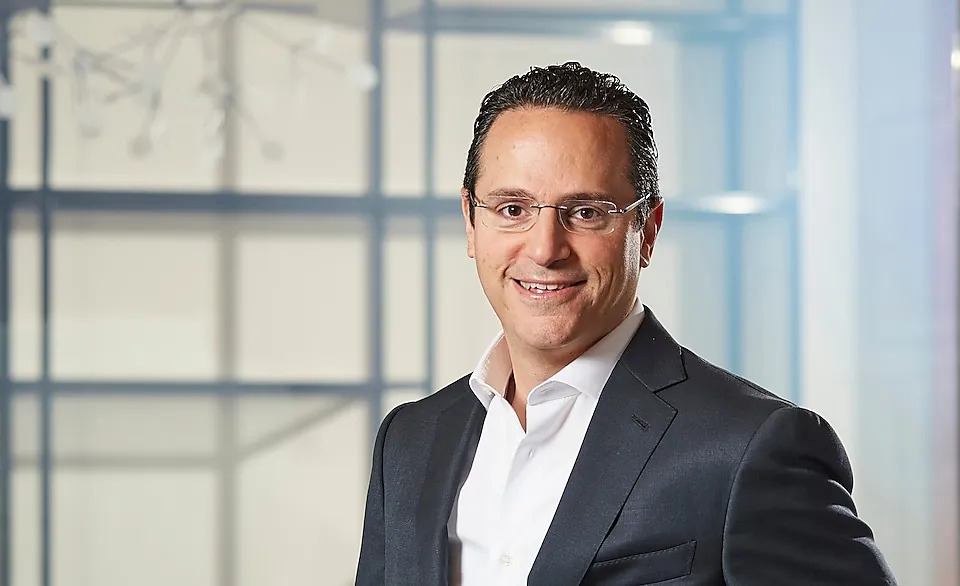
Wael Sawan — Energy / Oil and Gas
Wael Sawan became CEO of Shell in January 2023, inheriting leadership of one of the world's largest energy companies at a moment of extraordinary complexity: the accelerating energy transition, high oil and gas prices following Russia's invasion of Ukraine, pressure from climate activists and institutional investors, and legal challenges to Shell's emissions targets. A Lebanese-Canadian executive who spent his entire career at Shell across finance, strategy, and business leadership roles across multiple countries, Sawan has taken a more commercially assertive approach to the energy transition than his predecessor, arguing Shell must remain profitable in oil and gas even as it invests in low-carbon energy. His leadership has focused on balancing commercial performance with a measured approach to the energy transition. In 2026, Shell under Sawan navigates the tension between shareholder returns, regulatory pressure on emissions, and the long-term strategic question of what an energy major should look like in a genuinely decarbonising world.
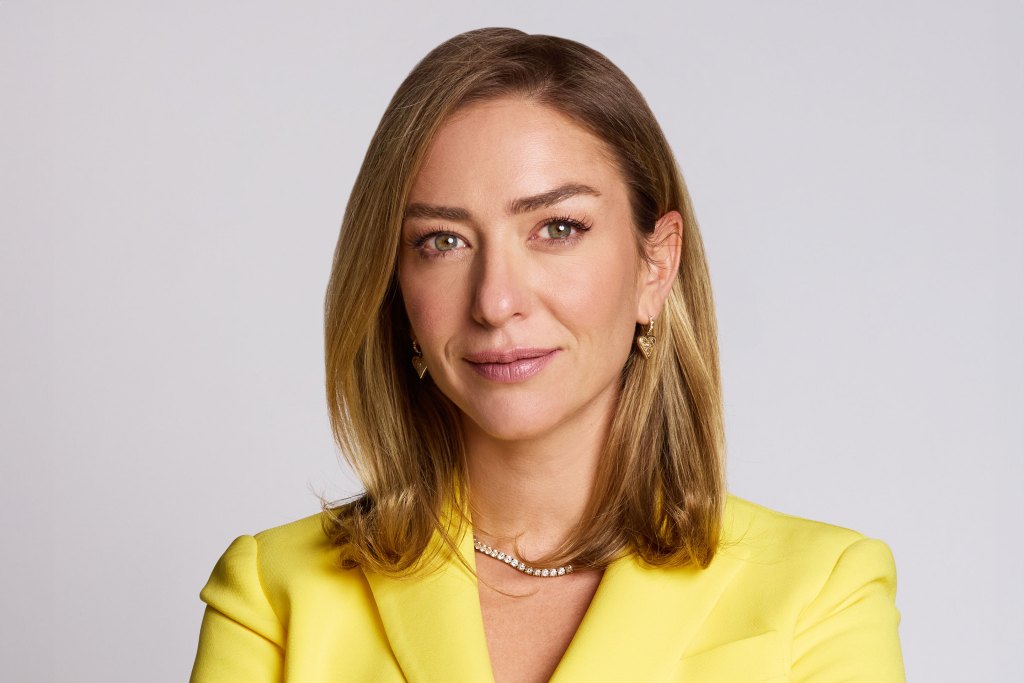
Whitney Wolfe Herd — Technology / Social Media
Whitney Wolfe Herd co-founded Bumble in 2014 with the founding proposition that women make the first move, distinguishing it from competing dating apps and proving both commercially successful and culturally influential, with Bumble growing to over 50 million registered users globally. Wolfe Herd took Bumble public in February 2021, becoming at thirty-one one of the youngest female founders to take a company public in the United States at a valuation exceeding $1 billion. She subsequently stepped down from the CEO role in 2023, transitioning to Executive Chair while remaining a significant shareholder and the brand's public face. A vocal advocate for women's safety online, she has spoken extensively about design choices platforms can make to reduce harassment and create more equitable digital environments. In 2026, she continues pursuing those themes through Bumble's product decisions and broader engagement, representing a generation of founders who have attempted to build social products reflecting explicit values around gender and safety rather than treating those considerations as secondary to growth metrics.
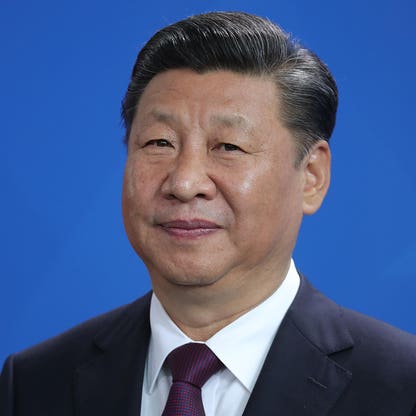
Xi Jinping — Politics / Government
Xi Jinping has served as General Secretary of the Chinese Communist Party since 2012 and as President of China since 2013, consolidating power to a degree not seen since Mao Zedong and positioning himself as the dominant figure in the most consequential geopolitical relationship of the 21st century. Under his leadership, China has pursued an increasingly assertive foreign policy, expanded military capabilities significantly, tightened political control domestically, and positioned itself as an alternative governance model for nations in the Global South. His Belt and Road Initiative has extended Chinese infrastructure investment and diplomatic influence across Asia, Africa, and Europe. His regulatory campaign against major technology platforms demonstrated the Party's assertion of political primacy over private capital. In 2026, his management of China's economic challenges, including property sector crisis and deflationary pressure, alongside the geopolitical dimensions of Taiwan, Hong Kong, and regional security, makes him arguably the single most consequential leader in global affairs.
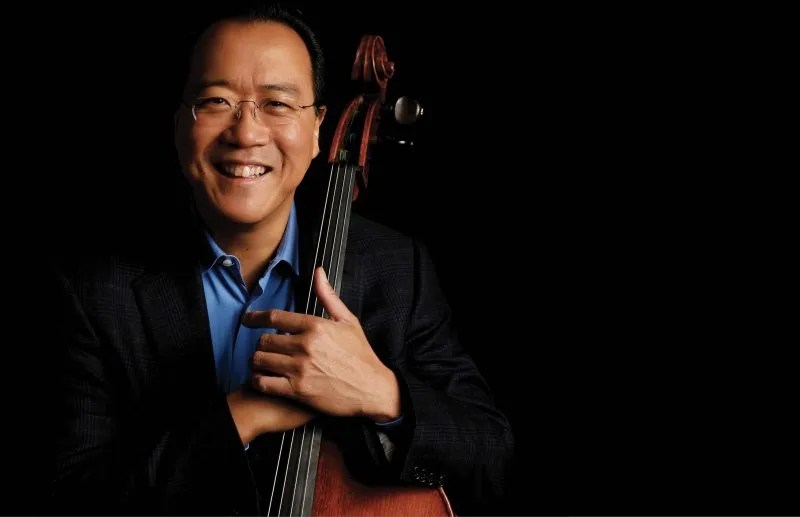
Yo-yo Ma — Culture / Arts
Yo-Yo Ma is widely regarded as the greatest living cellist and one of the most significant classical musicians of the twentieth and twenty-first centuries. Born in Paris to Chinese parents and raised in New York, he entered Juilliard at age four and performed for President Kennedy at age seven, beginning a public career spanning more than six decades. Ma has recorded over 120 albums across an extraordinary range of musical traditions, from Bach to bluegrass, from tango to Silk Road music, earning multiple Grammy Awards and building a reputation for musical curiosity and cultural boundary-crossing rare among classical performers. He founded the Silk Road Ensemble in 1998, a collective of musicians from ancient Silk Road trade route cultures. In 2026, Ma continues advocating publicly for the arts in human flourishing, arguing that cultural understanding, empathy, and creativity are not luxuries but essential human capacities. He is one of the rare artists whose significance transcends their discipline, engaging politics, education, and cross-cultural dialogue with equal commitment.
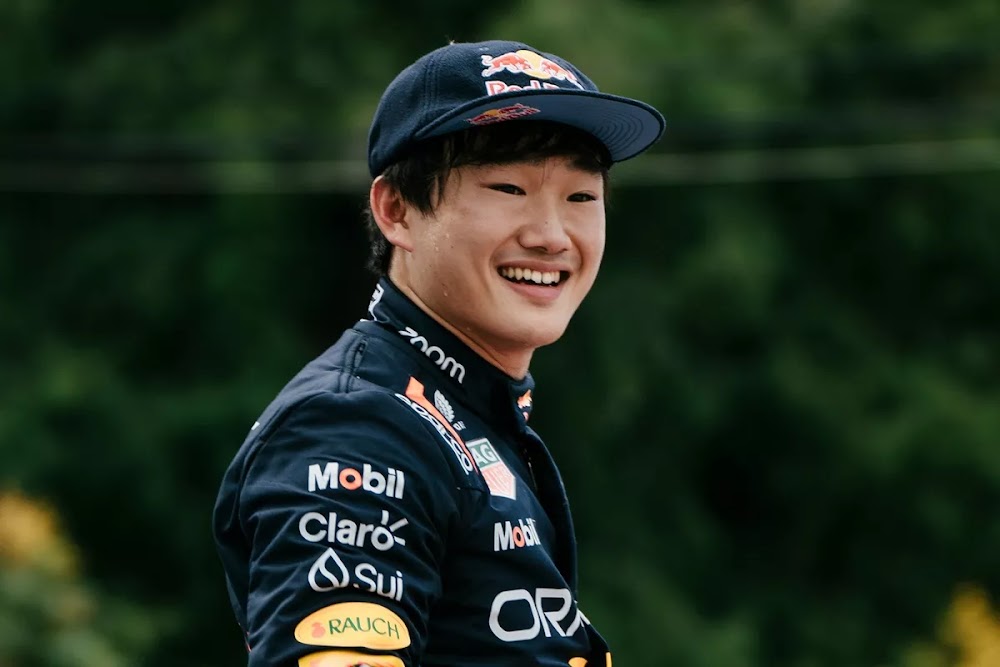
Yuki Tsunoda — Sport / Culture
Yuki Tsunoda is a Japanese Formula One driver who competes for Red Bull Racing and has become one of the most significant sporting ambassadors for Japanese motorsport in the modern Formula One era. Born in Sagamihara in 1999, he rose through European junior racing categories before making his Formula One debut in 2021, becoming the first Japanese driver in the sport's history to score points on debut. His progression from the junior Red Bull team to the main Red Bull Racing outfit reflects both his development and his standing in one of the sport's most competitive team environments. Known for emotional expressiveness in celebrations and radio communications with engineers during races, a quality making him one of the more distinctive and popular personalities in the sport globally. In 2026, Formula One's expanding audience across North America and Asia, driven significantly by Netflix's Drive to Survive series, makes its leading personalities significant cultural and commercial figures, with Tsunoda among its most recognisable and commercially relevant faces in the crucial Asian market.
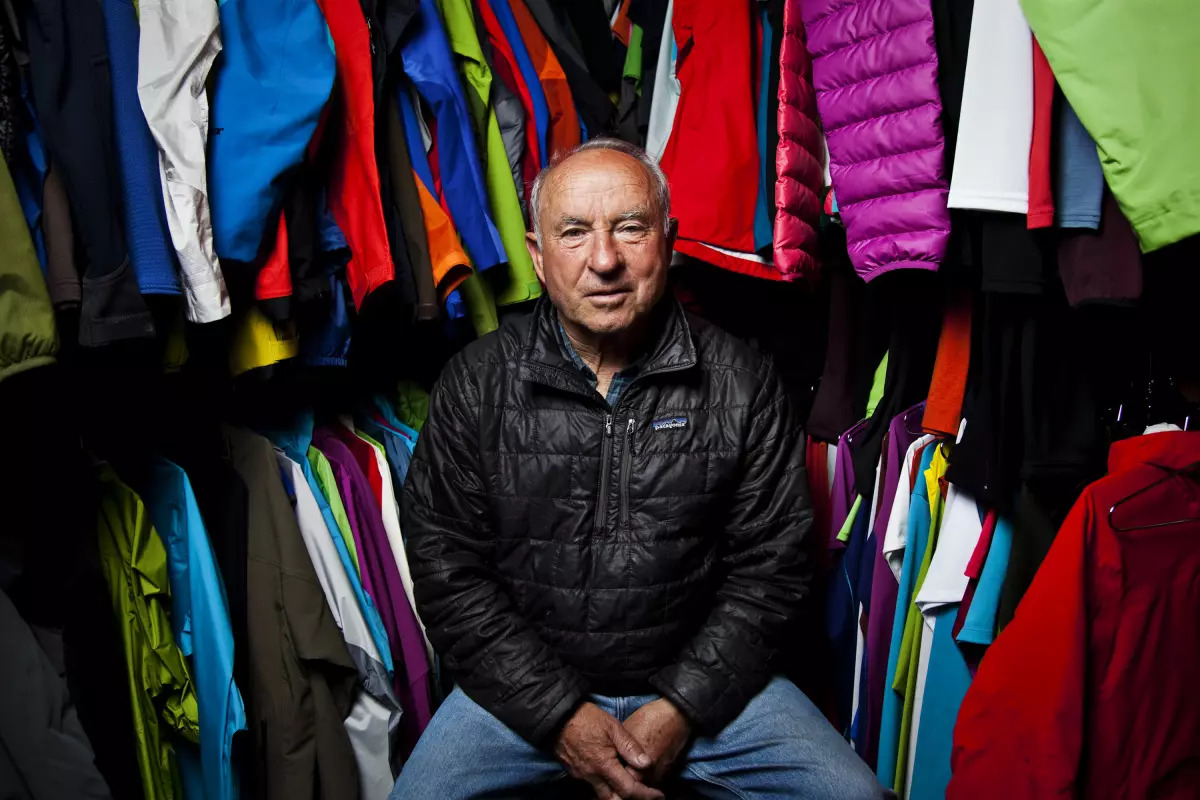
Yvon Chouinard — Sustainability / Business
Yvon Chouinard founded Patagonia in 1973 as an outdoor clothing company built around a philosophy that business should serve the environment rather than exploit it, spending fifty years making that philosophy concrete rather than decorative. In 2022, he made one of the most remarkable decisions in corporate ownership history, transferring the entirety of Patagonia's equity, valued at approximately $3 billion, to a specially created trust and a nonprofit dedicated to fighting climate change and protecting biodiversity. Chouinard and his family received nothing from the transaction. The decision was described as unprecedented in corporate philanthropy and provoked significant reflection across the business world about the nature of ownership, purpose, and wealth. Patagonia pioneered practices serving as templates for purpose-driven business: donating one percent of revenues to environmental causes, using recycled materials before commercial mainstream, and actively encouraging customers to repair rather than replace products. In 2026, his example is cited consistently in discussions of stakeholder capitalism, long-term corporate governance, and the relationship between commercial success and ethical obligation.
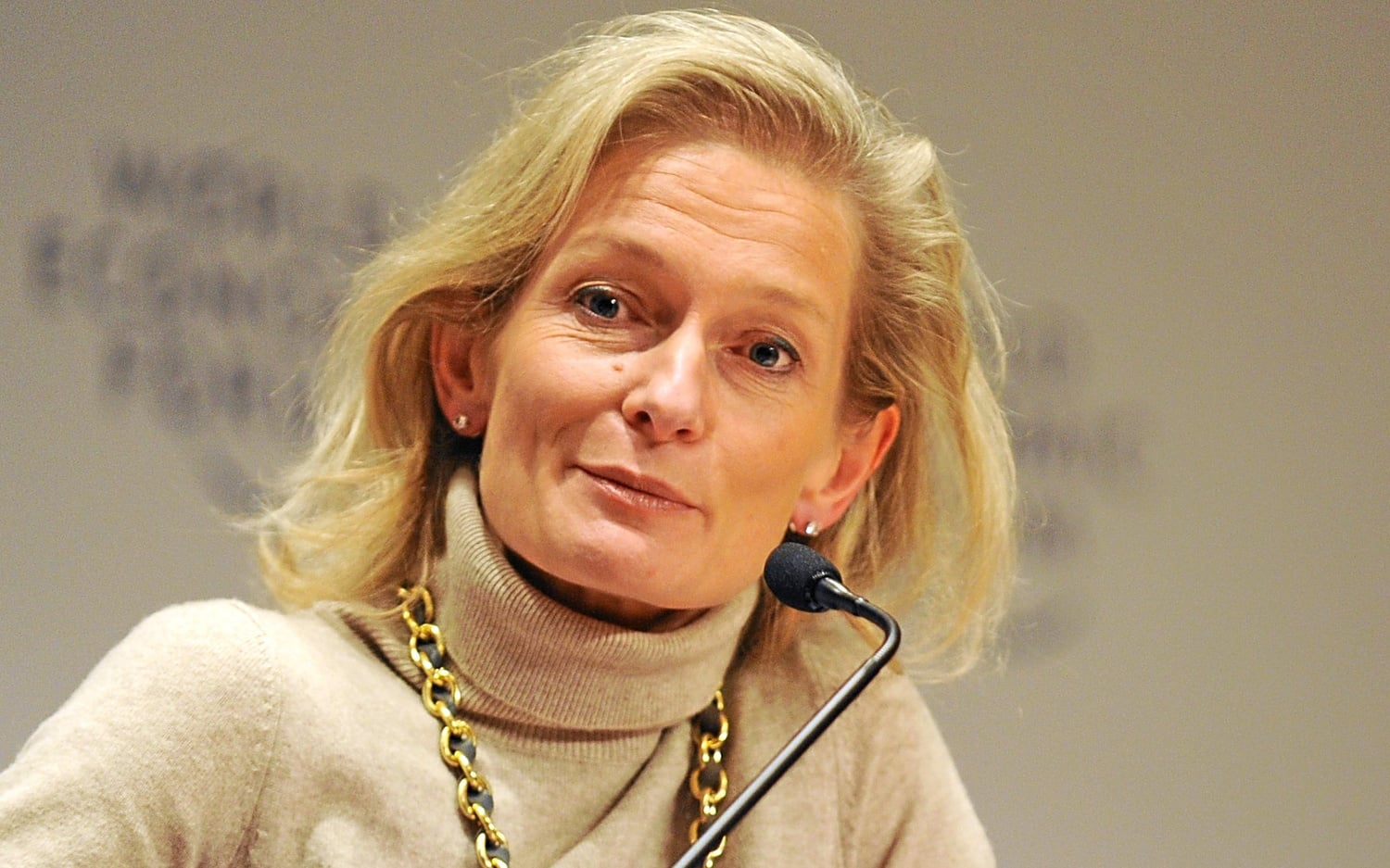
Zanny Minton Beddoes — Media / Journalism
Zanny Minton Beddoes has served as Editor-in-Chief of The Economist since 2015, the first woman to lead the publication in its 182-year history. A British economist and journalist who studied at Oxford and Harvard's Kennedy School before joining The Economist in 1994, she rose through economics reporting and editing roles before leading the publication. Under her editorship, The Economist has maintained its position as one of the most influential weekly publications globally, with readership spanning political leaders, business executives, academics, and policy professionals across more than 200 countries. She has steered the publication through the editorial challenges of political populism, geopolitical realignment, and technological disruption of media business models, maintaining commitment to liberal internationalism and evidence-based analysis. In 2026, she leads one of the few remaining global media organisations whose editorial voice commands consistent attention from the world's most powerful decision-makers, an institution whose influence is arguably more concentrated than its readership numbers alone would suggest.
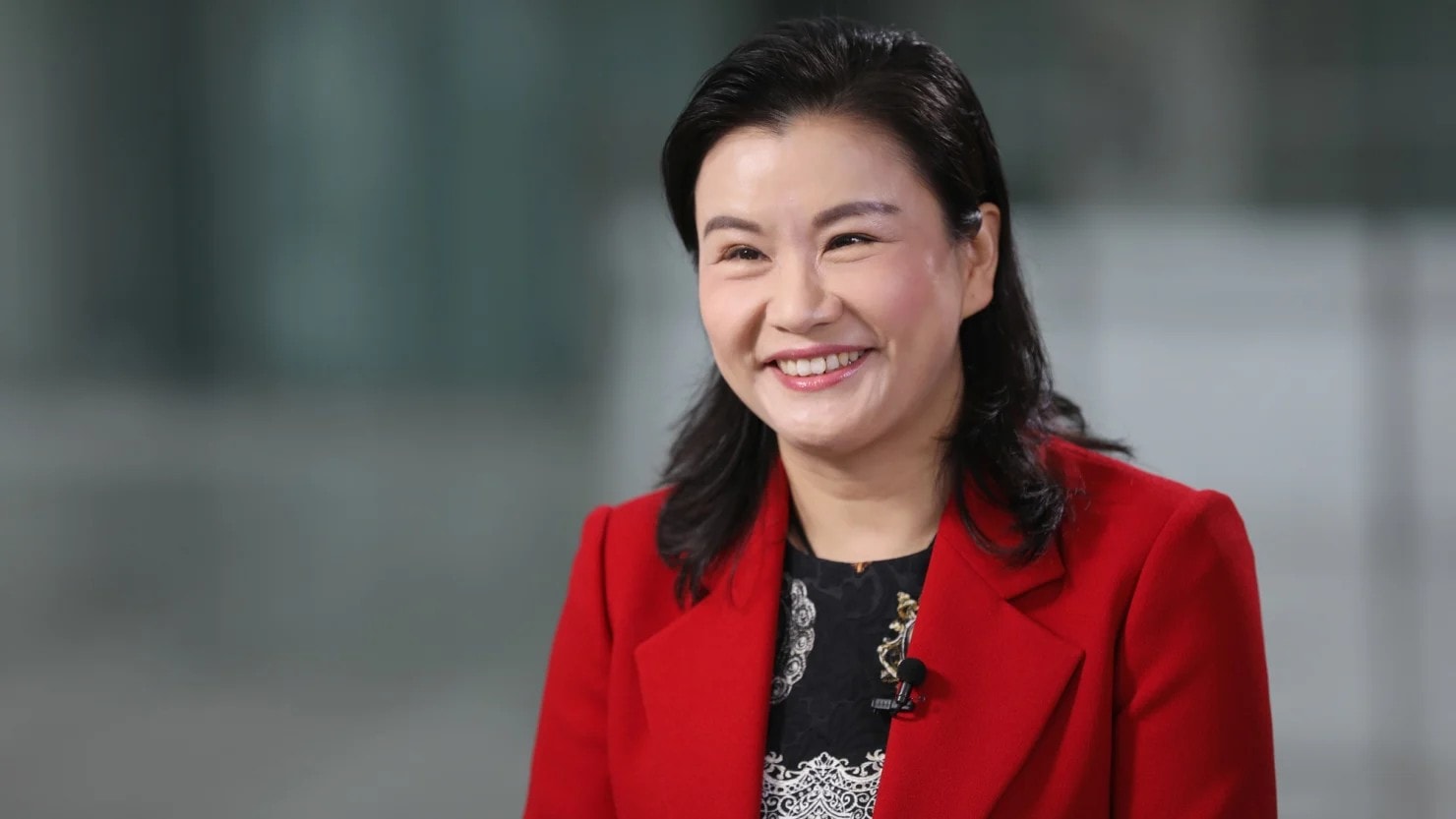
Zhou Qunfei — Manufacturing / Technology
Zhou Qunfei is the founder and CEO of Lens Technology, the world's largest manufacturer of smartphone glass screens, and is the wealthiest self-made woman in China. Born in rural Hunan province in 1970 and orphaned at a young age, she began working in factories at sixteen before founding her own glass processing workshop in 1993 with borrowed capital. That workshop grew into Lens Technology, whose precision glass covers are now used in smartphones produced by Apple, Samsung, Huawei, and virtually every major handset manufacturer globally. The company employs tens of thousands of workers across multiple manufacturing facilities in China. Her story is one of the most extraordinary entrepreneurial journeys in modern Chinese business: from a childhood in poverty without electricity to leading a company supplying critical components to the world's most valuable consumer electronics company. In 2026, Lens Technology's indispensable position in the global smartphone supply chain makes Zhou one of China's most significant manufacturing executives, her personal story a benchmark of what sustained entrepreneurial determination can achieve.
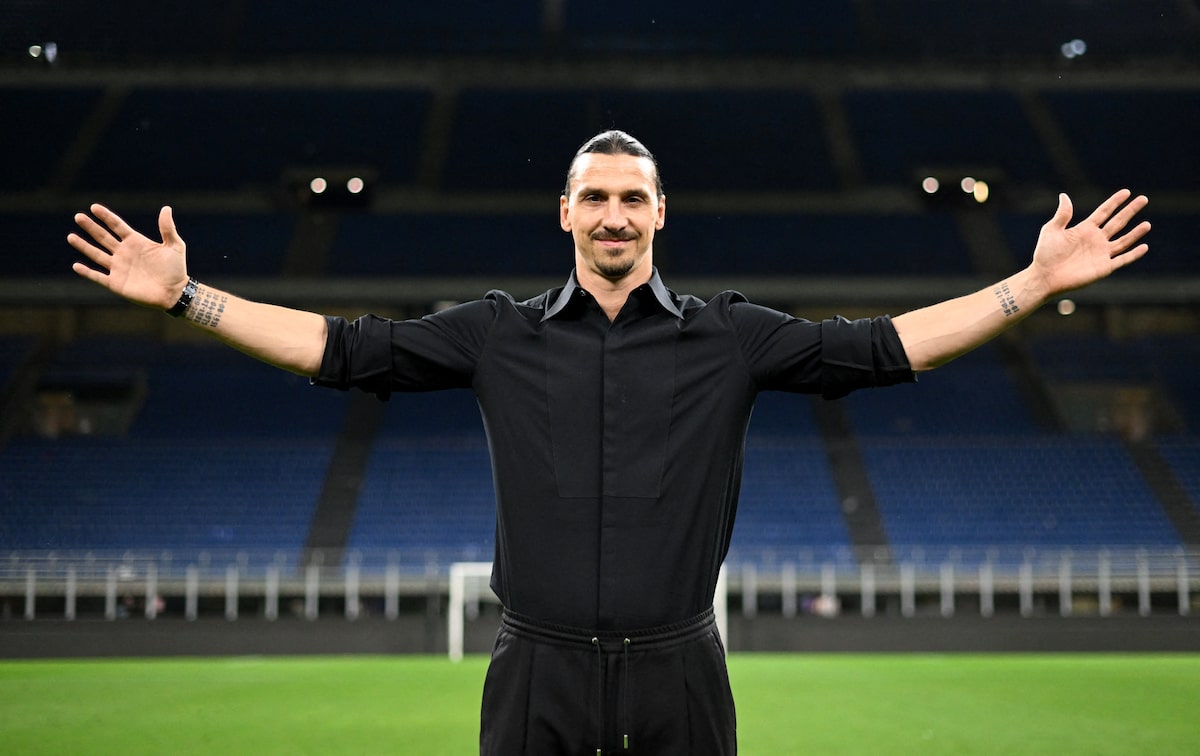
Zlatan Ibrahimovic — Sport / Business
Zlatan Ibrahimovic is widely regarded as one of the greatest footballers of his generation, scoring over 600 goals across a club career spanning Ajax, Juventus, Inter Milan, Barcelona, AC Milan, Paris Saint-Germain, Manchester United, LA Galaxy, and Hammarby, alongside a lengthy international career with Sweden. He retired from playing in 2023 and transitioned into a senior advisory role at AC Milan, working on player recruitment, academy development, and the club's broader strategic positioning. His career is a studied example of self-belief, personal reinvention, and longevity in a profession typically ending careers in the early thirties; he played at the highest level until forty-one through professional discipline and the ability to evolve his game as his athleticism changed. His memoir I Am Zlatan, published in multiple languages, has sold millions of copies and is read as a leadership and mindset text as much as a sports biography. In 2026, his advisory role at AC Milan and continued global brand visibility make him one of the more consequential former athletes in terms of ongoing institutional influence and commercial reach.