











There is a story the modern workplace tells itself about what great leadership looks like. It looks busy. It is always available. It says yes more than it says no. It carries the weight without complaint, and somehow finds a way to hold it all together.
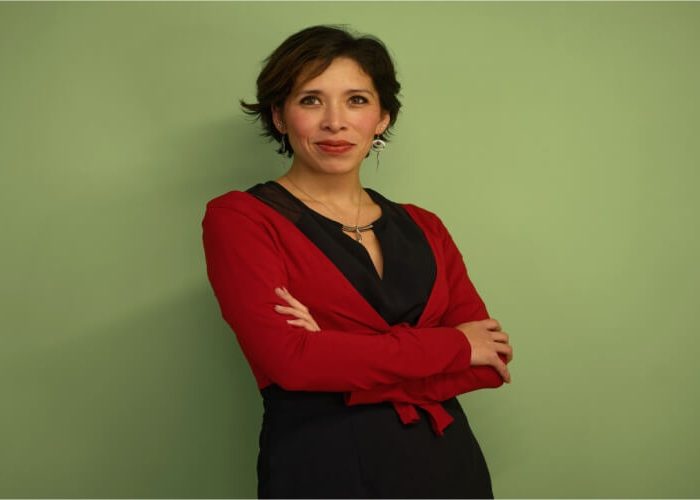
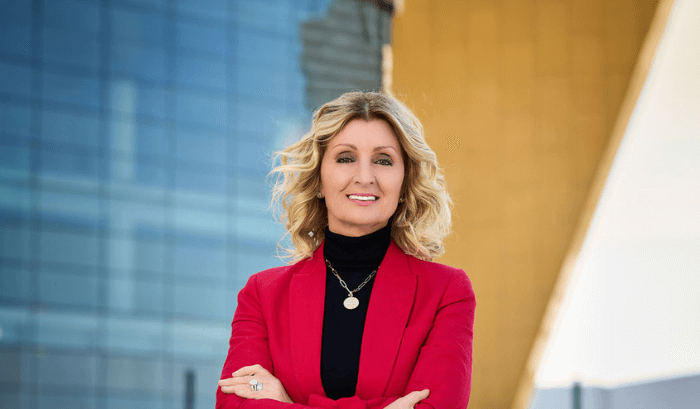
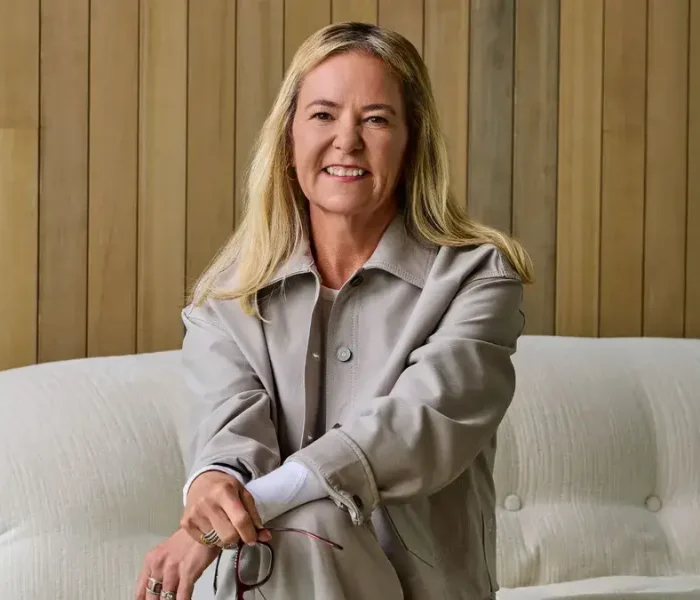
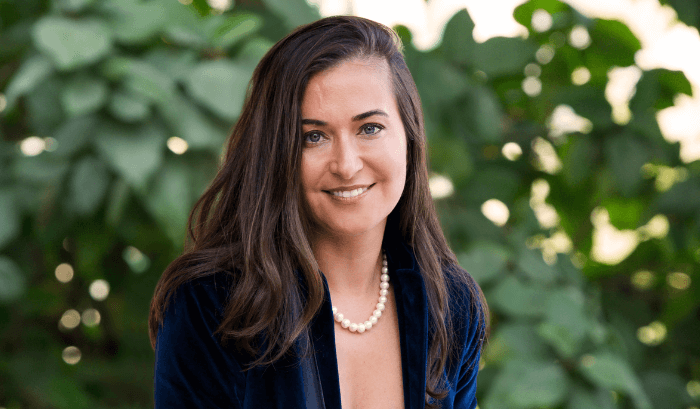
According to Shelley Bosworth, business leadership expert and executive coach, this belief is costing organisations far more than they realise.
Across the leaders and organisations she works with, Bosworth observes a consistent pattern: the people most at risk of burning out are not the ones who lack ability. They are the ones with too much of it. The high performers who have quietly become the default answer to every problem, and have started to mistake that for leadership.
“Frankly, it needs to stop,” she says. “The pressure to do everything is not a badge of honour. It is a performance trap. And it is one of the most insidious killers of genuine leadership performance I have ever witnessed.”
Bosworth identifies three quiet costs of the always-on leadership model:
Decision quality drops. When a leader is stretched across fifteen priorities, none of them receive their best thinking. The cognitive load of constant context-switching means that the decisions which most need a sharp, strategic mind are instead getting the remnants of an exhausted one. The leader is present, technically speaking, but not truly focused, and the team can feel the difference even when the leader cannot.
A trust problem emerges. Leaders who cannot delegate are, whether they intend to be or not, communicating something damaging to their teams: I do not trust you to do this. Every time a leader steps in to fix something that was not theirs to fix, every time they pick up the slack because handing it over feels like more effort than doing it themselves, they chip away at their team’s confidence and ownership. The result, Bosworth notes, is “learned helplessness dressed up as efficiency.”
Strategic thinking disappears. Underneath all of this, something quieter and more personal is happening. When leaders are so consumed by the doing, they lose access to the thinking. The strategic clarity, the creativity, the vision that the role actually requires, these do not come from a full calendar and an overflowing inbox. They come from space. From stillness. From a mind that is not permanently on red alert.
Bosworth is firm on this point. The solution, she says, is not another productivity system or a better morning routine.
“This is a mindset problem,” she explains. “The leaders I work with who are the most exhausted are not the ones with the most on their plates. They are the ones who have tied their identity to the doing. Their sense of value is contingent on how needed they are. Their worth is measured in their output.”
The fix, she argues, is deceptively simple: stop, reflect on what is not yours to carry, and delegate.
For many leaders, that prospect is terrifying, and Bosworth says that fear itself is the diagnosis. “It is because you have reached a point where, if you are not doing everything, you do not know who you are. It is an existential professional, and likely also personal identity crisis. And one that needs to be rectified.”
The encouraging news, she adds, is that the leader is both the problem and the solution. “If you are willing.”
For Bosworth, the work begins with a single question:
“What would you need to believe about yourself to be able to let go of the proverbial reins?”
The answers, she says, are always revealing. Because the real block is rarely about capability, neither the leader’s nor the team’s. It is about the story running underneath the surface: that slowing down will be read as a lack of commitment. That delegating means losing control. That if a leader stops being indispensable in every room, someone will finally notice they were not as essential as they thought.
“Imposter syndrome does not just make you doubt your abilities,” Bosworth observes. “It makes you work yourself into the ground trying to prove them.”
The picture Bosworth paints of genuine high-performance leadership is harder to sell, but, she argues, worth saying plainly. The best leaders she has worked with do less than people think. They are selective. They protect their focus ruthlessly. They build teams they genuinely trust, and then trust them to do what they were hired for. They know the difference between being involved and being essential, and have made peace with stepping back from the former in service of the latter.
“Leadership is not about capacity. It is about impact. And you cannot create a meaningful, lasting impact from a place of depletion.”
Her final challenge is to the leader who is currently running on empty, carrying everything, and telling themselves it is just a season.
“The season rarely ends on its own,” she says. “You have to be the one to decide it is over. The pressure to do everything will not lift until you do. And your leadership, your team, and frankly your life, deserve better than whatever is left at the end of an overstretched day.”
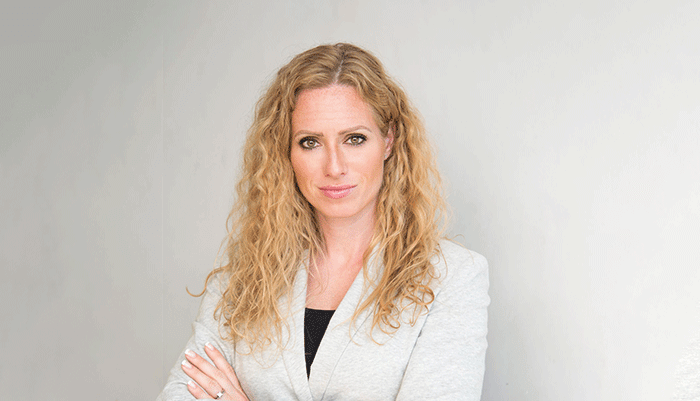
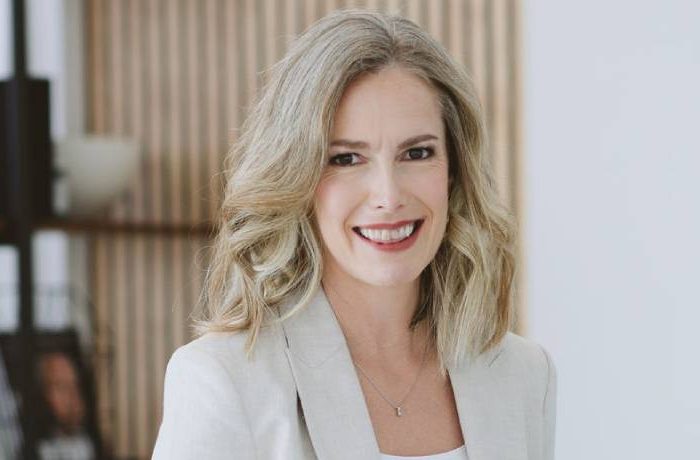
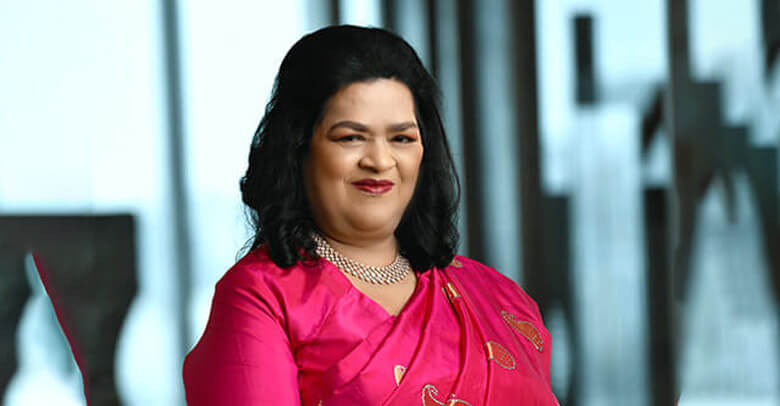
About the Author: Shelley Bosworth is a business leadership expert and executive coach who works with senior leaders and executive teams on performance, identity, and sustainable high-impact leadership.
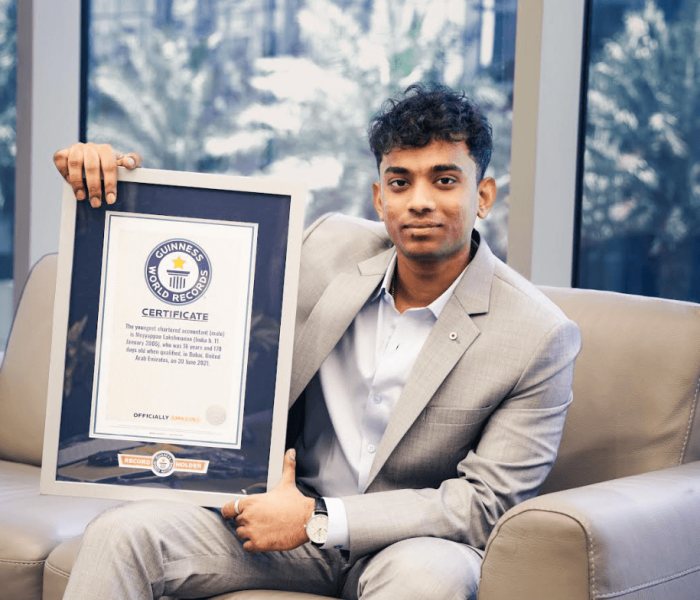
Guinness World Records has named Lakshmanan Meyyappan the world’s youngest Chartered Accountant. The Senior Research Analyst at Century Financial achieved the distinction at 16 years and 141 days....
It rarely starts in a boardroom. More often, it begins in conversations, a leader choosing to listen a little more closely, a team being given the space to speak up, a decision being made with people, not...
The woman who helped grow Nike fivefold over 26 years is stepping into Lululemon’s corner office at a moment that feels almost scripted: a $11 billion athleisure giant in need of reinvention, and a...
Praveen Gupta, Chief Operating Officer at STS Group, shares how empathy, technology, and culture drive lasting business excellence. Q. You’ve built your career in operational leadership. How has your...
Sakif Shamim, Managing Director of Labaid Cancer Hospital & Super Speciality Centre and Deputy Managing Director of Labaid Group, believes that in volatile markets leadership is measured not by speed,...
In industries where impact is often unseen, Pauline Loo, Senior Vice President, Human Resource, Nippon Sanso Holdings Singapore, shares how Nippon Sanso helps employees stay connected to purpose, fosters...
Few institutions shape the global economy quite like the United States Federal Reserve. Its decisions on interest rates ripple across markets from New York to Nairobi, influencing everything from mortgage...
As the world races to decarbonise without dimming the lights, one technology long left in the wings has stepped back into the spotlight, and one executive is stage-managing its return. Dan Sumner, the...
On January 1, 2026, Gregory Edward Abel became CEO of Berkshire Hathaway, the first leadership change at the conglomerate since Warren Buffett took control in 1965. It was a transition 60 years in the...