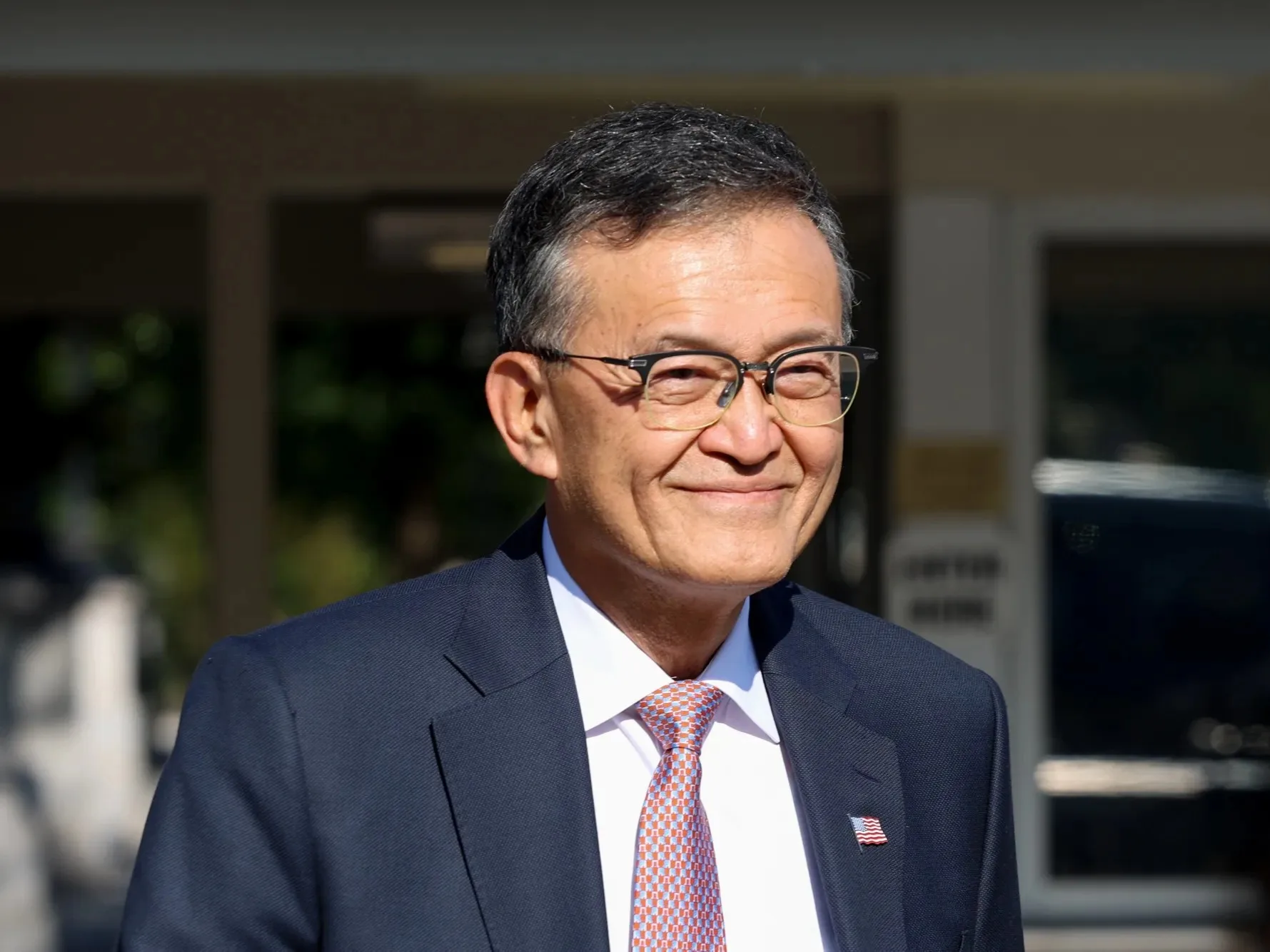
Intel CEO Lip-Bu Tan says the company's restructuring is approximately 80% complete, following significant leadership changes as the chipmaker works to strengthen its manufacturing capabilities and position in artificial intelligence.
Intel CEO Lip-Bu Tan has revealed that the company’s restructuring is approximately 80% complete, marking a significant milestone in his efforts to reshape the American semiconductor manufacturer.
Speaking in an interview with Nikkei, Tan outlined the progress made since assuming leadership in March 2025, including substantial changes to Intel’s senior management team.
The transformation is intended to simplify the organisation, improve operational execution and strengthen its ability to compete in advanced semiconductor manufacturing and artificial intelligence.
Leadership Changes Drive Transformation
Since becoming CEO, Tan has undertaken a broad restructuring of Intel’s leadership, replacing much of its senior management.
Among the executives brought into the organisation is Seok-Hee Lee, the former CEO of South Korean semiconductor manufacturer SK hynix.
The leadership changes form part of Tan’s efforts to introduce fresh expertise and strengthen decision-making across the company.
His approach reflects a wider emphasis on operational discipline and accountability as Intel seeks to improve its competitive position.
While Tan described the restructuring as 80% complete, he did not provide a detailed public breakdown of the remaining measures or specify a final completion date.
Strengthening Semiconductor Manufacturing
A central priority of Intel’s transformation is improving its semiconductor manufacturing business.
The company is working to rebuild its position in advanced chip production, where Taiwan Semiconductor Manufacturing Company (TSMC) remains a major competitor.
Tan has acknowledged that restoring manufacturing competitiveness will require sustained investment and continued improvements in execution.
The strategy also involves identifying opportunities in advanced packaging and specialised semiconductor technologies as demand for AI computing continues to evolve.
Strategic Investments Support Intel’s Direction
Intel’s transformation has attracted investment from major technology companies.
Nvidia and SoftBank have committed investments of approximately US5billionandUS2 billion, respectively, reflecting their interest in Intel’s future development.
These investments provide additional financial support as the company advances its restructuring and technology priorities.
However, strengthening manufacturing capabilities and building a sustainable position in the AI semiconductor market remain longer-term objectives.
The Next Phase of Intel’s Turnaround
Tan’s announcement signals progress in the organisational phase of Intel’s transformation, although important challenges remain in technology development and manufacturing execution.
For business leaders, Intel’s experience illustrates the importance of aligning leadership structures, financial resources and long-term strategic priorities during major organisational change.
As the company moves towards completing its restructuring, attention will increasingly turn to how effectively its revised organisation can deliver improvements in product development, manufacturing performance and competitiveness.
Sources: Notebookcheck; Nikkei Asia interview with Lip-Bu Tan; Intel corporate disclosures