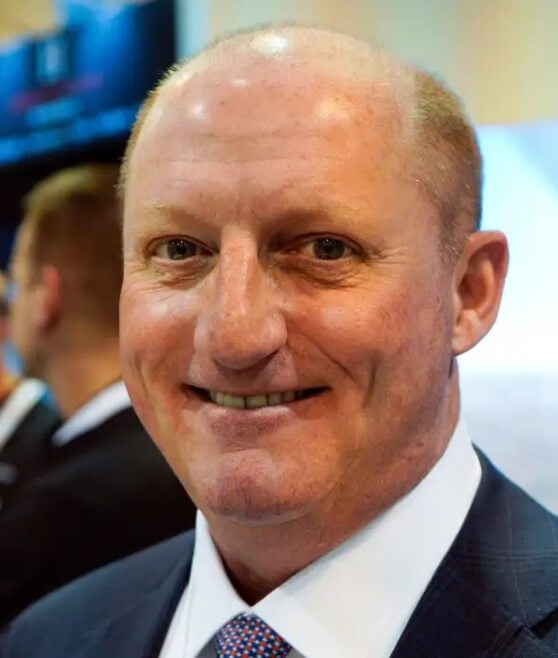
On January 1, 2026, Gregory Edward Abel became CEO of Berkshire Hathaway, the first leadership change at the conglomerate since Warren Buffett took control in 1965. It was a transition 60 years in the making, and one that Abel had been quietly preparing for since long before it was officially his to prepare for.
Born in Edmonton, Alberta in 1962, Abel came to business through accounting, not investing. He trained at PricewaterhouseCoopers, moved into the US energy sector at CalEnergy, and joined what would become Berkshire Hathaway Energy in 1992. By 2008, he was its CEO. Over the following decade, he transformed a regional utility into one of North America’s largest energy enterprises, acquiring NV Energy for $5.6 billion, expanding into Canadian transmission infrastructure, and investing aggressively in wind and solar. Revenues at the division grew more than tenfold under his watch.
In 2018, Buffett elevated Abel to Vice Chairman for Non-Insurance Operations, placing him over the majority of Berkshire’s sprawling portfolio, including BNSF Railway, Precision Castparts, See’s Candies, and dozens more, collectively generating over $150 billion in annual revenues. His appointment as CEO was confirmed unanimously by the board in May 2025 and took effect on New Year’s Day.
Abel’s business philosophy, articulated in his first shareholder letter in February 2026, is framed in twelve words: “Your capital is commingled with ours, but it does not belong to us. Our role is stewardship.” It is a statement of continuity rather than transformation; he has pledged to maintain Berkshire’s decentralised structure, its conservative approach to capital allocation, and its long-held aversion to paying dividends so long as retained earnings compound more effectively. On the company’s record $397 billion cash pile, he has been direct: it is held in reserve to act decisively when markets dislocate, not a signal of indecision.
His leadership style differs from Buffett’s in texture, not in principle. Where Buffett led through storytelling and studied distance from operations, Abel is hands-on, detail-oriented, and operationally rigorous. Subsidiary CEOs report that he asks harder questions than his predecessor while preserving the autonomy that made Berkshire attractive to exceptional managers in the first place.
At his first annual meeting as CEO in May 2026, Buffett, now chairman, told shareholders from the audience: Abel is doing everything he did, and doing it better. That endorsement, from the man who built the institution, carries its own kind of authority. The question Abel now faces is not whether he can maintain what Buffett built, early evidence suggests he can, but whether he can grow it. And, on that, only time will decide.
Meet Greg Abel, the Man Who Inherited Warren Buffett’s World
Share: