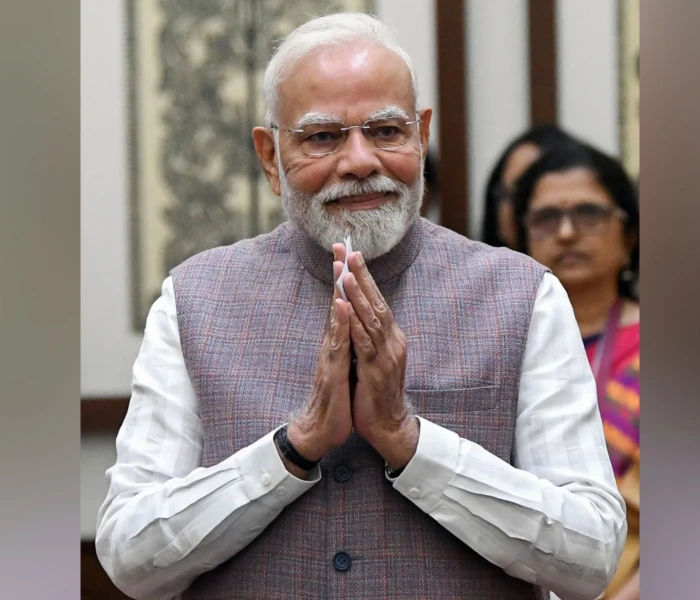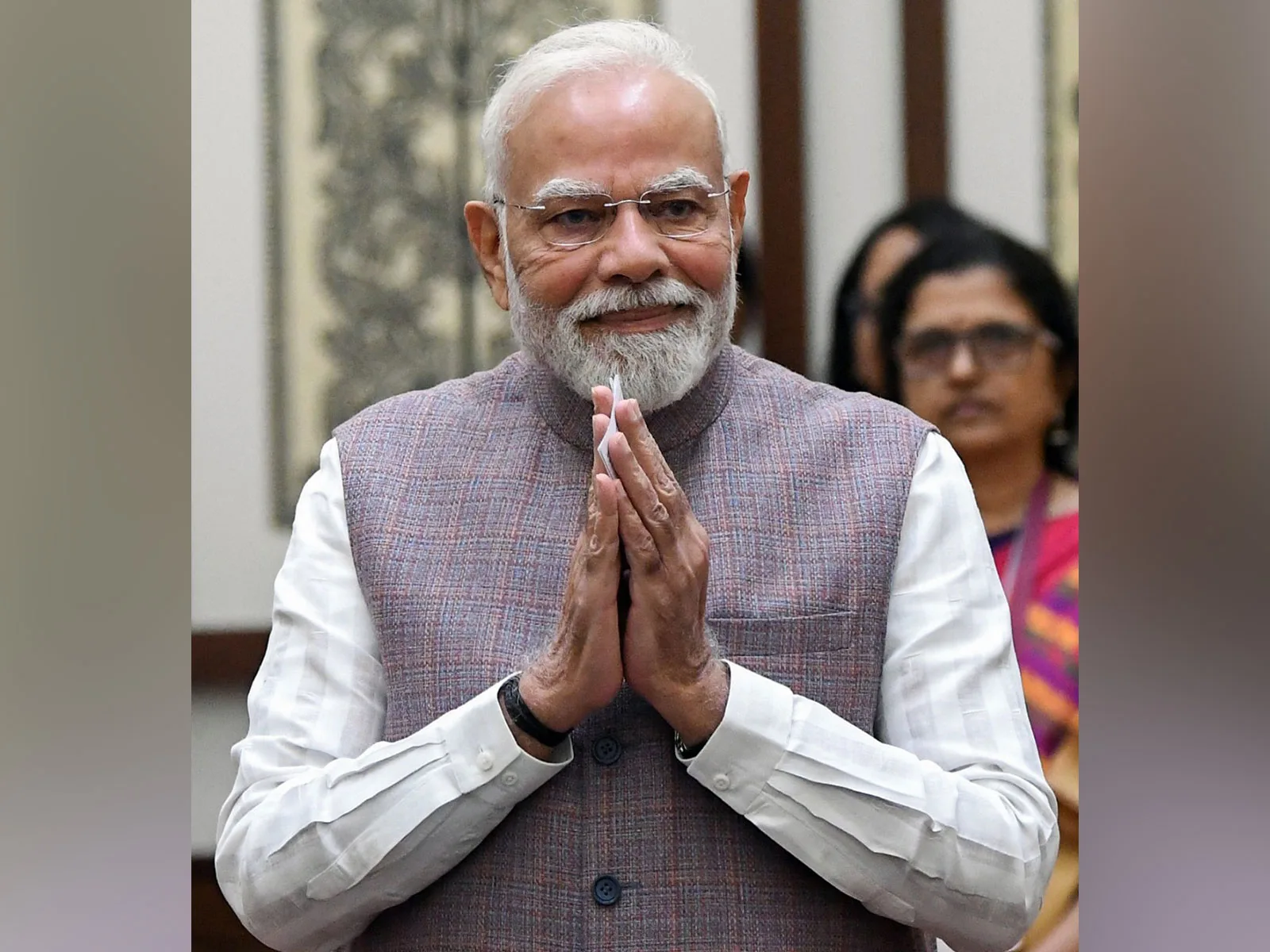
At the Emerging Science, Technology and Innovation Conclave 2026, Prime Minister Narendra Modi called for India to develop original technologies, strengthen scientific research and deliver solutions to global challenges.
Prime Minister Narendra Modi has called on India’s scientific community to move beyond adopting technologies developed elsewhere and take a leading role in creating innovations that shape the future.
Inaugurating the Emerging Science, Technology and Innovation Conclave (ESTIC) 2026 at Bharat Mandapam in New Delhi on 27 October, Modi outlined his vision for strengthening India’s position in global science and technology.
Addressing researchers, policymakers, industry leaders and startup founders, he emphasised the importance of original research, technological self-reliance and developing solutions capable of addressing challenges beyond India’s borders.
Moving From Technology Adoption to Innovation
Modi contrasted India’s earlier dependence on technologies developed overseas with its growing ambition to create original solutions and influence global technological development.
He pointed to India’s achievements in space exploration, indigenous vaccine development and digital infrastructure as examples of the country’s expanding scientific capabilities.
The Prime Minister also highlighted developments in nuclear energy, semiconductor manufacturing and artificial intelligence, identifying these sectors as important to India’s long-term technological ambitions.
His remarks placed scientific research and innovation at the centre of the government’s vision for Viksit Bharat, or Developed India.
Strengthening India’s Position in Critical Technologies
Modi called for sustained investment and institutional preparation across emerging technological fields, including quantum computing, biotechnology, advanced materials, robotics, space technology and clean energy.
He highlighted progress in India’s nuclear energy programme, including the achievement of first criticality by the indigenous 500-megawatt Prototype Fast Breeder Reactor.
The Prime Minister also discussed developments in India’s space sector, referring to satellite docking capabilities and growing participation from domestic space technology startups.
He identified technological self-reliance as an important objective, particularly in sectors where dependence on imported technology or resources could create strategic vulnerabilities.
However, he also emphasised that India’s scientific advances should contribute to addressing international challenges rather than serving domestic requirements alone.
AI Must Support Independent Scientific Thinking
Artificial intelligence featured prominently in Modi’s address, particularly its implications for scientific research and decision-making.
He acknowledged that AI can improve productivity by completing routine tasks more efficiently, allowing researchers to devote additional time to complex scientific problems.
However, he cautioned against allowing AI-generated information to replace independent judgement, experimentation and critical analysis.
The Prime Minister stressed that scientists must remain responsible for verifying information and testing the reliability of AI-generated results.
He also highlighted emerging security concerns involving artificial intelligence, synthetic biology and autonomous systems.
Modi called for stronger cybersecurity capabilities, including AI-based and quantum security solutions, to protect critical infrastructure, financial networks and national systems.
A Three-Year Challenge for Researchers and Innovators
Moving beyond broad technological ambitions, Modi urged researchers, industry leaders, startup founders and students to establish measurable innovation targets.
He encouraged participants to identify a technology, prototype, pilot project or product they could contribute towards developing over the next three years.
The appeal reflected his emphasis on translating scientific research into practical applications and commercially relevant innovations.
The three-day conclave, held from 27 to 29 October, brings together scientists, academics, policymakers and technology companies to discuss India’s research priorities across 12 thematic areas.
According to the Ministry of Science and Technology, more than 5,000 delegates participated on the inaugural day. The event also features deep-tech startups, scientific exhibitions and international research collaboration initiatives.
Building a Generation of Technology Leaders
Modi concluded by emphasising the importance of preparing young scientists and innovators to lead developments in emerging technologies.
His address outlined an approach combining scientific research, domestic technological capabilities, industry participation and international collaboration.
The central challenge will be translating these ambitions into sustained research outcomes, commercially viable technologies and measurable advances across priority sectors.
For India’s scientific institutions and technology businesses, the conclave provides a platform to examine how research investment, innovation partnerships and skilled talent can contribute to the country’s long-term technological development.
Sources
- Prime Minister’s Office — PM Modi Inaugurates Emerging Science, Technology and Innovation Conclave 2026
- Press Information Bureau — Official Statement, 27 October 2026
- Ministry of Science and Technology — ESTIC 2026 Inaugural Day
- Organiser — India Must Lead World in Creating Future Technologies
- The New Indian Express