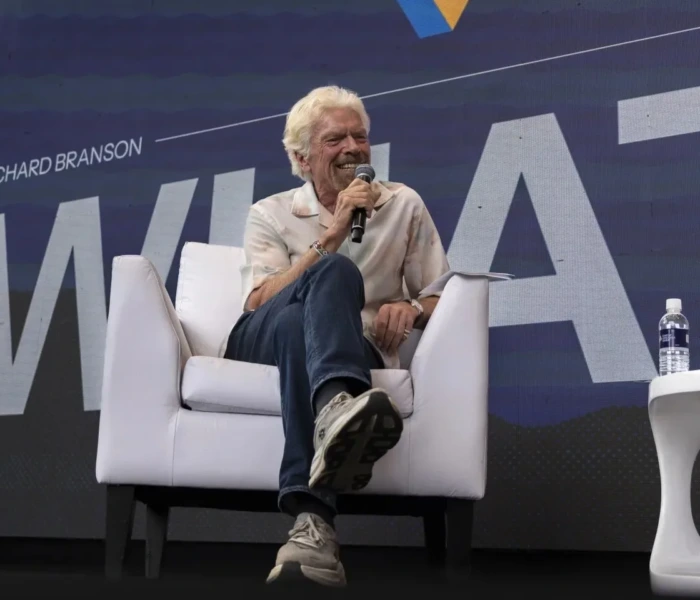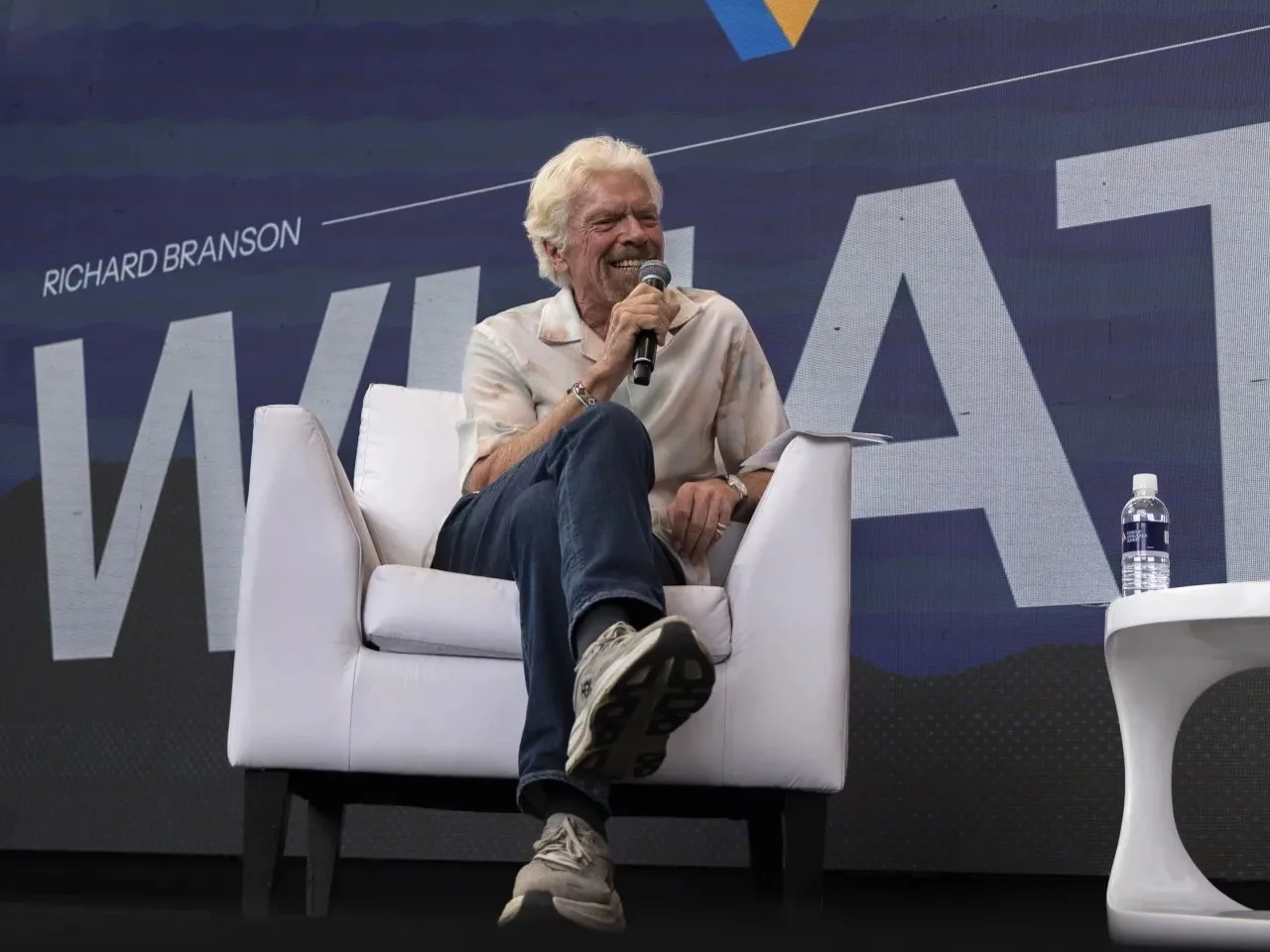
Virgin Group founder Richard Branson believes Venezuela could attract foreign investment following elections, but says legal certainty, transparency and stronger judicial protections remain essential for investor confidence.
British billionaire and Virgin Group founder Richard Branson has said Venezuela could attract greater foreign investment after holding elections, provided the country establishes stronger legal protections and a more predictable business environment.
Speaking at an event attended by entrepreneurs and investment representatives in Caracas on 21 October 2026, Branson highlighted the importance of political stability, transparency and judicial certainty in rebuilding investor confidence.
His remarks came as Venezuela seeks to increase capital inflows into sectors including oil and gas, following significant political changes earlier in the year.
Elections Could Influence Investor Confidence
Branson said Venezuela has substantial investment potential, but international investors remain cautious about committing capital without greater certainty about the country’s political and legal direction.
He suggested that elections and the establishment of the rule of law could create conditions for renewed investment.
However, he did not identify a specific date when investment activity might increase or offer a forecast for the amount of capital the country could attract.
Venezuela’s interim president, Delcy Rodríguez, and US President Donald Trump have both indicated that elections will take place, although neither has announced a timetable.
The absence of a confirmed election schedule remains an important source of uncertainty for businesses assessing the country’s future.
Legal Security Remains a Major Concern
Branson emphasised that investment decisions depend on more than the availability of commercial opportunities.
He identified transparent institutions, reliable judicial procedures and legal protection for capital as essential requirements for attracting investors.
These considerations are particularly relevant for international companies making long-term commitments in markets where political developments can influence business conditions.
Venezuela has introduced legislative reforms intended to encourage investment, but concerns about the legal system and political uncertainty continue to affect investor sentiment.
Such concerns are particularly significant outside the energy sector, where companies may be reluctant to enter the market without greater confidence in the regulatory environment.
Venezuela Seeks New Capital Inflows
Venezuela possesses substantial natural resources, including major oil reserves, making the energy industry an important potential destination for foreign capital.
However, resource availability alone does not guarantee investment.
International companies must also assess financing conditions, contract enforcement, operational risks and the security of their assets.
Branson’s comments reflect the view that improving these conditions could help Venezuela convert its economic potential into investment activity.
The entrepreneur attended the Caracas event alongside business representatives and government officials, including Foreign Minister Félix Plasencia and Industry Minister Luis Villegas.
Political Transition Shapes Economic Outlook
Venezuela has been undergoing a political transition since former president Nicolás Maduro was captured during a US operation in January 2026.
Rodríguez subsequently assumed the interim presidency and has pledged to hold elections.
The country’s political direction and the development of its legal institutions will therefore be closely watched by prospective investors.
Although reforms have been introduced, uncertainty surrounding future governance continues to influence perceptions of investment risk.
Branson indicated that developments over the coming 18 months could be important, without specifying when elections might occur.
Investment Opportunities Depend on Reform
Branson’s assessment offers a conditional outlook for Venezuela’s investment prospects rather than a guarantee of an imminent recovery.
The country may present opportunities for international businesses, particularly in energy and infrastructure-related sectors, but attracting sustained investment will require credible institutional changes.
For global investors, the central question remains whether political developments will produce the transparency, legal protections and stability necessary to support long-term commercial commitments.
Branson’s remarks reinforce a broader principle of international investment: economic opportunity can attract interest, but confidence in institutions is essential to turning that interest into committed capital.
Sources: Reuters, The Straits Times, WSAU