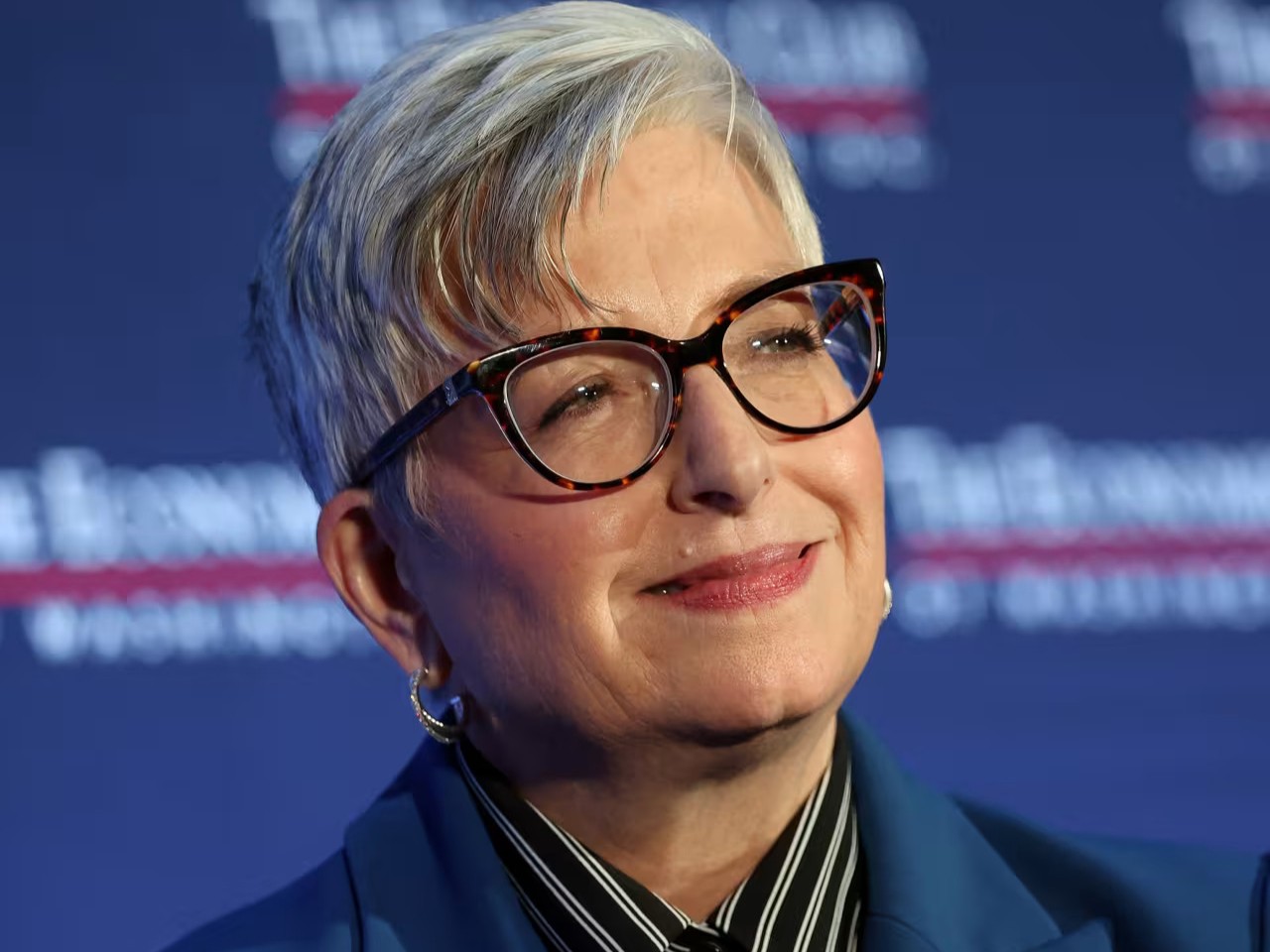
UPS CEO Carol Tomé has introduced a new global operating model alongside major executive changes, appointing Nando Cesarone, Matt Guffey and Wilfredo Ramos to expanded leadership roles while creating a new global commercial strategy position.
UPS CEO Carol Tomé is reshaping the company’s executive leadership around a new global operating model, redistributing responsibility across operations, domestic business and international markets as the logistics group looks to manage its worldwide network more cohesively.
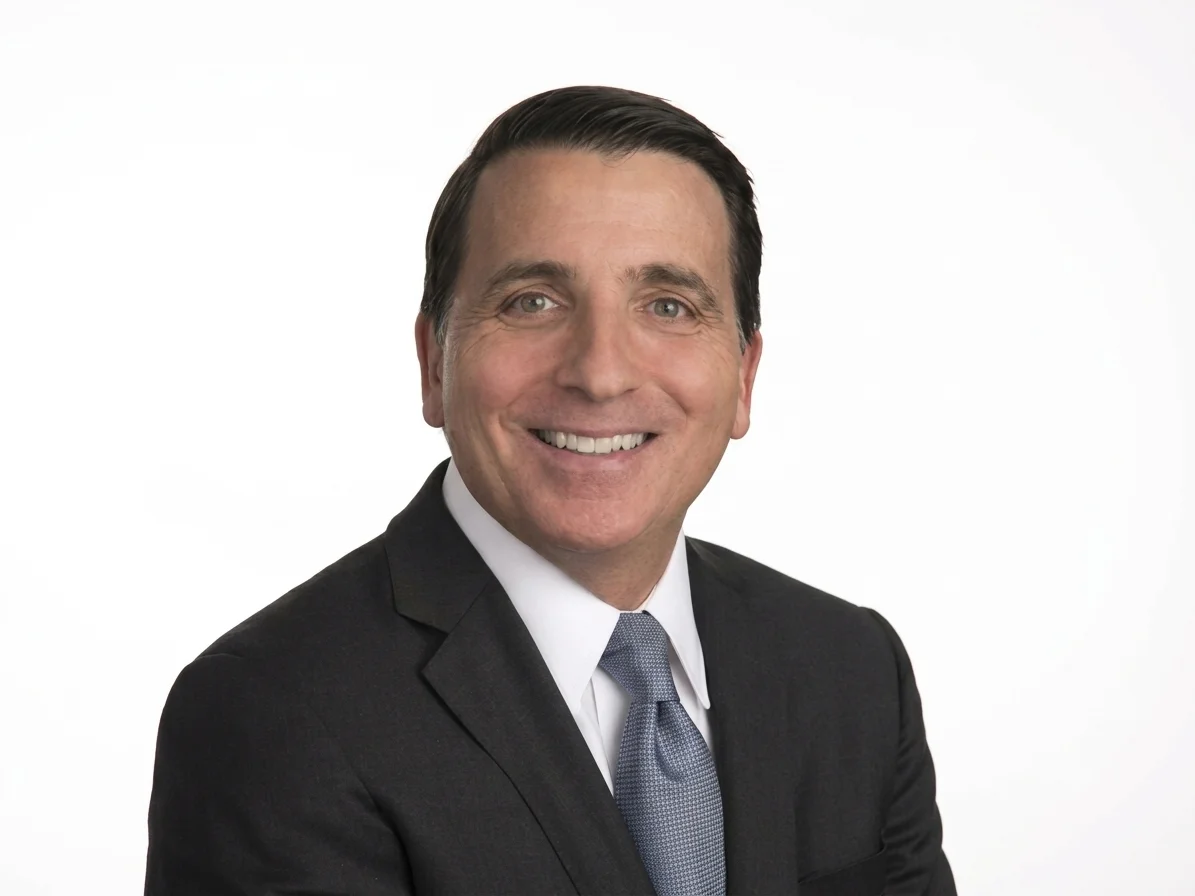
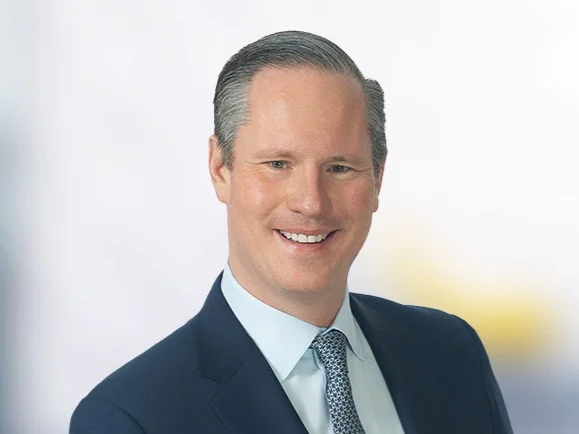
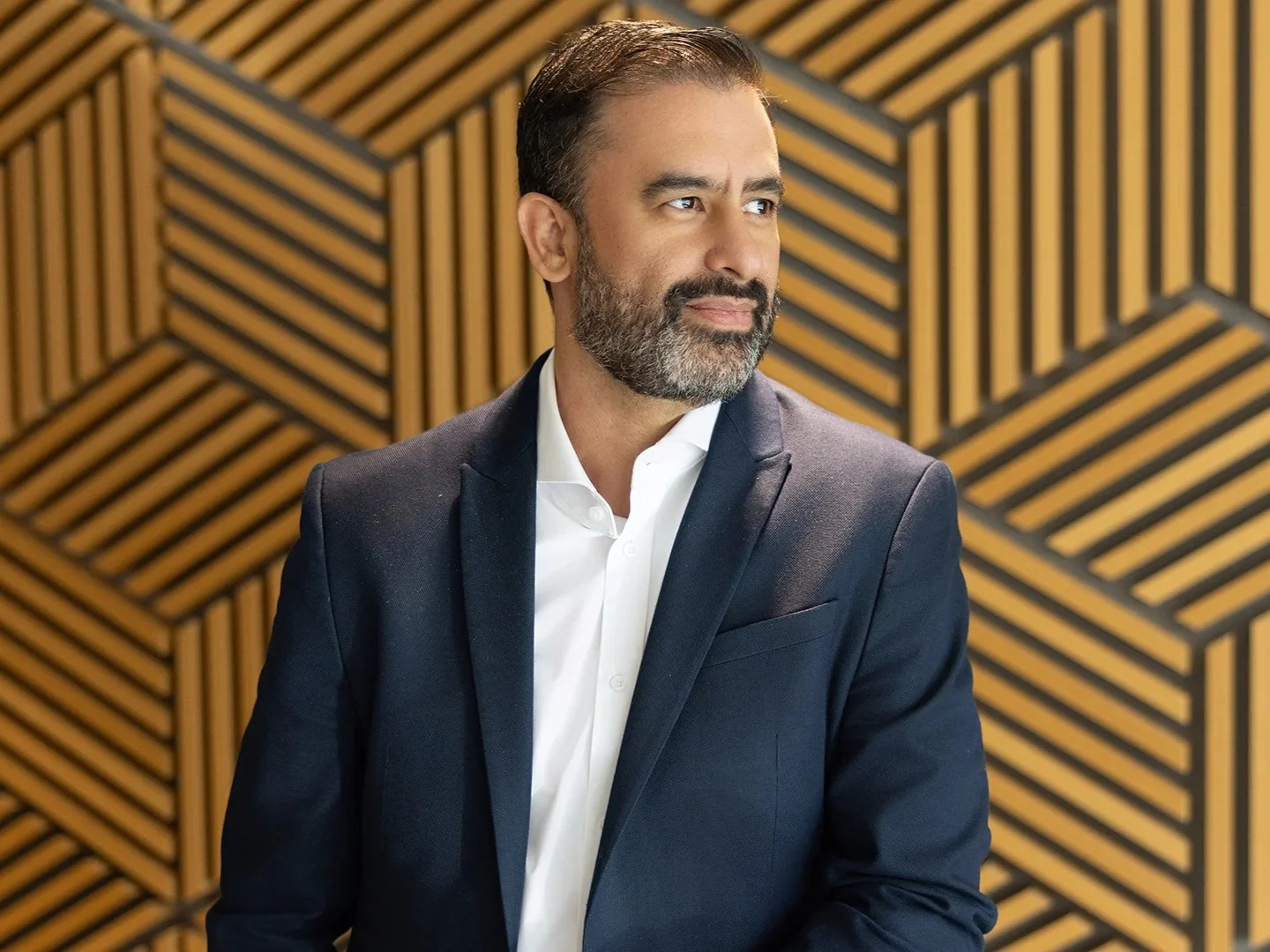
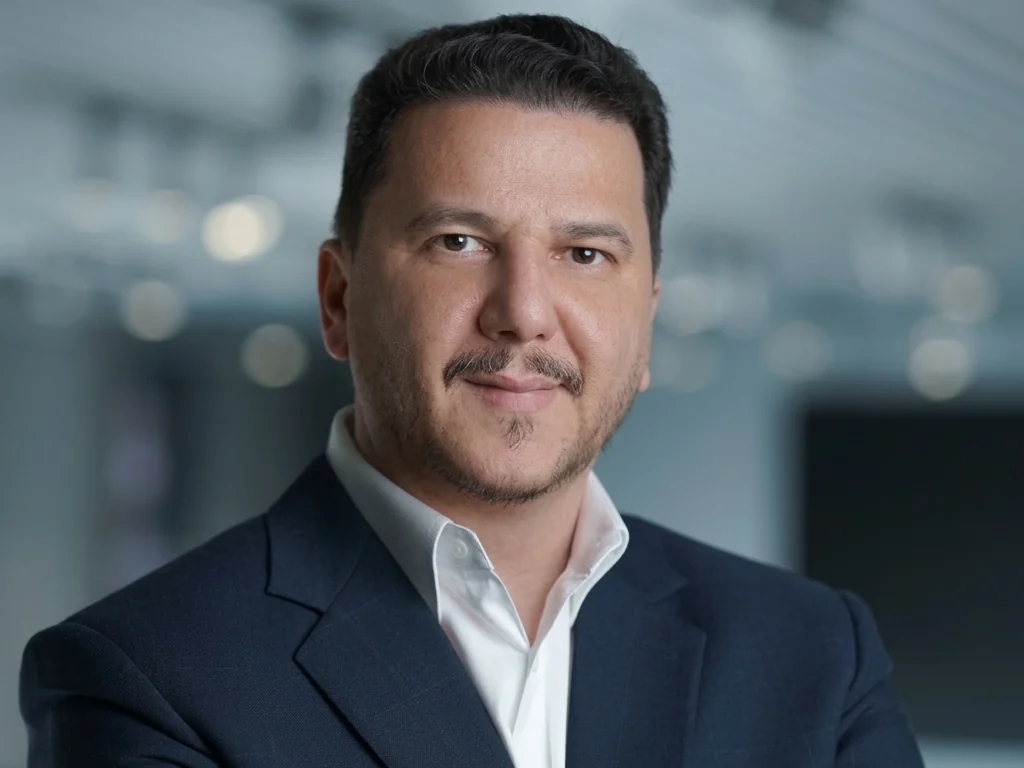
Effective September 1, 2026, Nando Cesarone becomes Executive Vice President and Chief Global Operations Officer, Matt Guffey becomes Executive Vice President and Chief U.S. Domestic Officer, and Wilfredo Ramos takes over as Executive Vice President and Chief International, Healthcare and Supply Chain Solutions Officer.
UPS is also creating an entirely new executive position; Chief Global Commercial Strategy Officer, with an external search underway to identify its first leader.
Together, the changes represent more than a series of executive appointments. They reorganise how responsibility is distributed at the top of UPS as the company moves towards greater global standardisation while retaining flexibility across individual markets.
“At UPS, we intend to leverage the full power of our global network,” Tomé said in announcing the structure. She said the combination of global standardisation and local market responsiveness is intended to create greater efficiency, strengthen customer experience and support growth.
A Global Operations Role for Nando Cesarone
At the centre of the new structure is Nando Cesarone, who takes on the newly configured role of Chief Global Operations Officer.
Cesarone will oversee UPS’s global air network and gateways, surface transportation, building and engineering operations, Intelligent Network of the Future initiatives, automotive operations and sustainability functions.
The appointment gives a single senior executive oversight of several of the physical and operational systems underpinning UPS’s worldwide network.
Cesarone brings an unusually broad perspective to that responsibility.
He began his UPS career as a preloader in 1990 while studying at York University and later became a delivery driver. Over more than three decades with the company, he has gone on to lead operations across multiple regions.
Before leading UPS’s U.S. business, Cesarone served as President of UPS International, overseeing operations across more than 220 countries and territories outside the United States. He has also served as President of UPS Europe and President of its Asia Pacific region.
His progression from an entry-level operational role to responsibility for the company’s global operating network gives the appointment a notable leadership dimension: deep institutional knowledge is being paired with extensive international operating experience.
Matt Guffey Takes Charge of U.S. Domestic Operations
Matt Guffey, meanwhile, has been appointed Chief U.S. Domestic Officer.
He will oversee UPS’s U.S. businesses, including Small Package, Roadie, Happy Returns, The UPS Store and Mail Innovations.
Guffey joined UPS in 2000 and has worked across marketing, sales, operations and strategy in the United States and Europe.
Most recently, as Chief Commercial and Strategy Officer, his responsibilities included corporate strategy, transformation, marketing, U.S. sales, communications and the company’s on-demand network.
His new role moves him closer to direct operating responsibility for UPS’s core domestic businesses, while elements of his former commercial and strategy portfolio will sit within the newly created global commercial leadership position.
Wilfredo Ramos Steps Into International Leadership
The third major appointment follows the retirement of Kate Gutmann, Executive Vice President and President of International, Healthcare and Supply Chain Solutions.
Gutmann is stepping away from her current position after nearly 37 years with UPS. She will continue serving as a strategic adviser through March 2027, supporting continuity during the transition.
She will be succeeded by Wilfredo Ramos, a UPS veteran of more than 20 years who currently leads the company’s Asia Pacific and Brokerage businesses.
Ramos has held leadership positions across multiple regions and business units during his career with UPS. In his expanded position, he will oversee the international, healthcare and supply chain solutions portfolio.
His promotion means all three of the executives taking on the major operating roles have significant experience within UPS, giving Tomé’s new leadership structure a strong element of internal succession.
A New Seat at the Leadership Table
One position, however, remains open.
UPS is creating the role of Executive Vice President and Chief Global Commercial Strategy Officer, who will be responsible for global strategy, marketing and communications, product management and pricing.
The creation of the role is significant because it separates global commercial strategy from several operational responsibilities, giving those functions their own representation on the executive leadership team.
Once appointed, the executive will report directly to Tomé alongside Cesarone, Guffey and Ramos, as well as Chief Financial Officer Brian Dykes, Chief Human Resources Officer Darrell Ford, Chief Digital and Technology Officer Bala Subramanian and Chief Legal and Compliance Officer Norm Brothers.
The restructuring comes as UPS shifts its focus towards its next stage following the completion of its Amazon volume glide-down and network reconfiguration initiatives in June 2026.
The company’s stated ambition is to evolve from operating as an international organisation towards what it describes as a truly global enterprise, standardising critical operating processes across geographies while preserving the ability to respond to individual markets.
That makes the leadership redesign particularly important.
Organisational transformations ultimately depend on more than changing reporting lines. They require clarity over who owns global priorities, where local decision-making remains important and how different parts of a large organisation work together.
Tomé’s new model attempts to address those questions by creating clearer global ownership of operations, separating U.S. domestic leadership and consolidating international, healthcare and supply chain responsibility under another executive.
For a company operating across more than 200 countries and territories, the challenge will be turning that redesigned leadership structure into the balance Tomé is seeking: global consistency without losing local responsiveness.
Sources: UPS official announcement; UPS regulatory filing; UPS Leadership