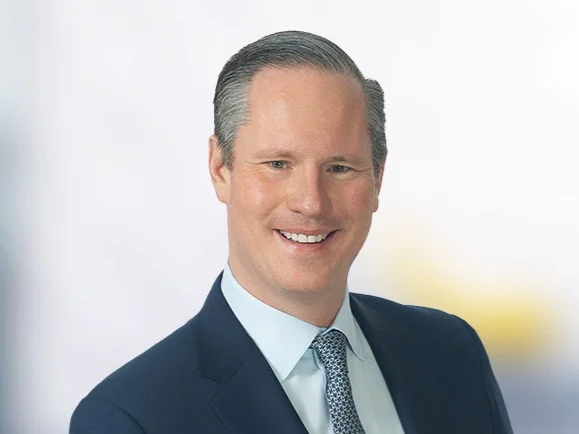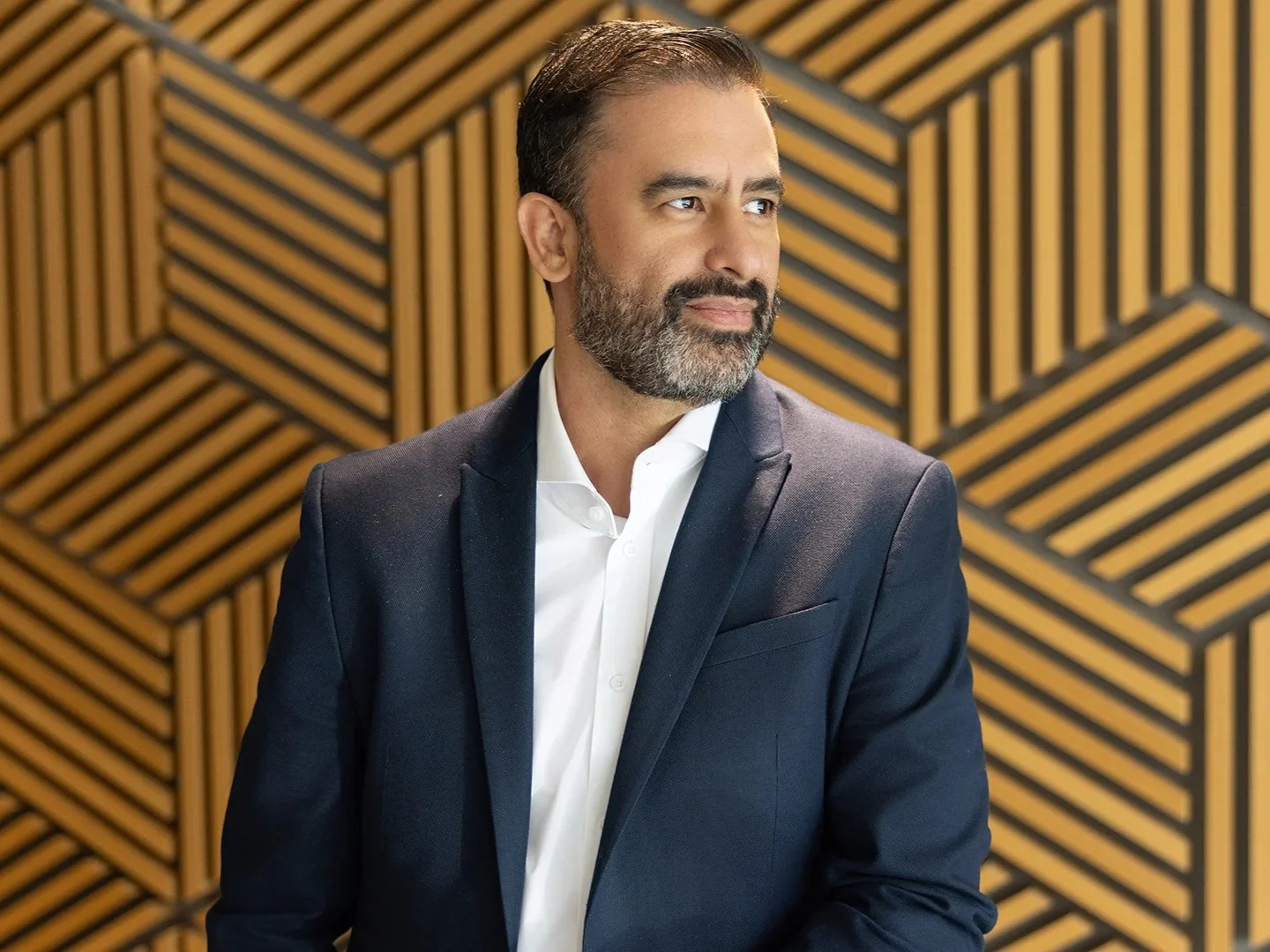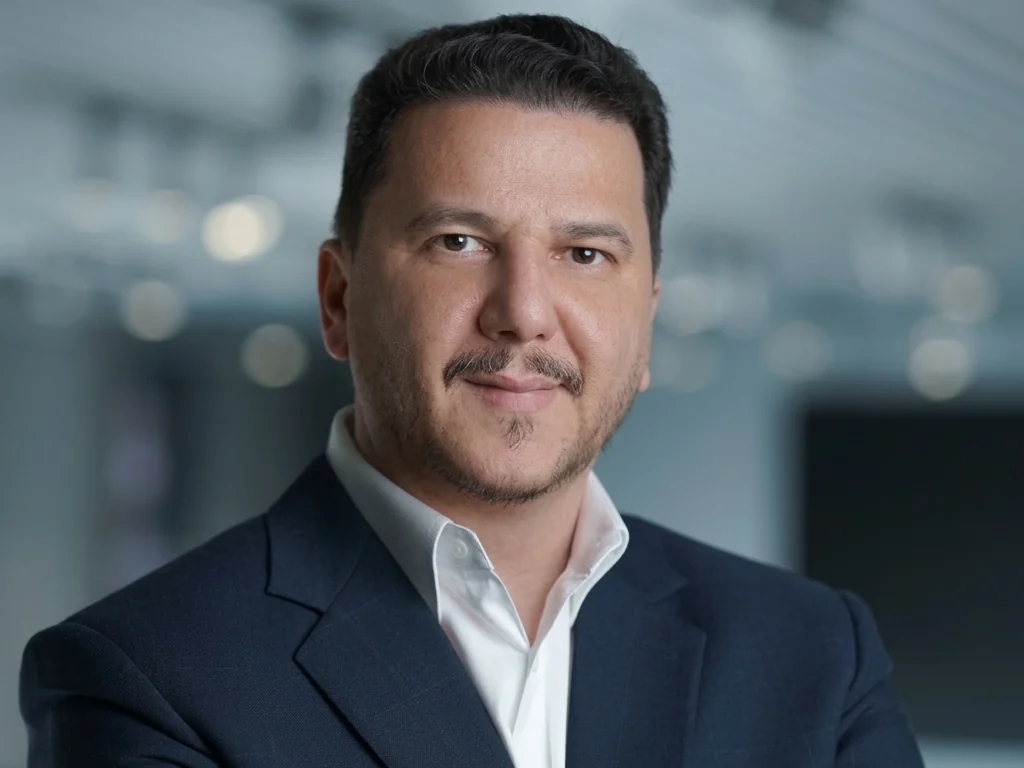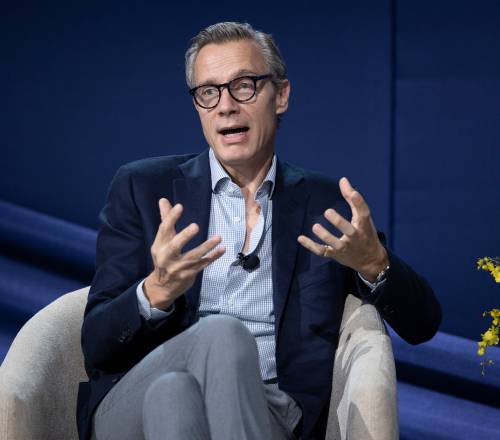
In January 2026, Saks Global underwent a significant leadership change. Richard Baker, who had led the company’s $2.7 billion acquisition of Neiman Marcus Group, stepped down as Executive Chairman and CEO. Geoffroy van Raemdonck, the former CEO of Neiman Marcus Group, returned to the organisation to take on the role.
Six months on, the company has restructured through bankruptcy and re-emerged under a new name.
A MERGER UNDER FINANCIAL PRESSURE
Saks Global was formed in 2024 when Baker led the acquisition of Neiman Marcus Group and Bergdorf Goodman, bringing the two luxury retail names together under one company. The combined business carried significant debt at a time when global luxury sales were slowing, which created pressure on vendor payments and inventory levels. By the quarter ended August 2025, revenue had declined 13 percent.
Baker had taken the CEO title on 2 January 2026, succeeding Marc Metrick, who had led the company since its formation. Baker’s tenure in the CEO role lasted less than two weeks before van Raemdonck stepped in.
THE RETURN OF VAN RAEMDONCK
Van Raemdonck was a familiar figure to the board. He had served as CEO of Neiman Marcus Group from 2018 to 2024, leading the retailer through a pandemic-era Chapter 11 restructuring and returning it to profitability within four months, before departing following the Saks acquisition. He also brings experience from senior roles at Louis Vuitton and Ralph Lauren.
Paul Aronzon, a member of Saks Global’s board, described the appointment as a step toward stability. “Geoffroy has a proven track record driving transformative growth at Neiman Marcus Group and other brands, building trusted relationships within these organizations and throughout the industry. His leadership will help advance the Company’s focus on stability and long-term value creation.”
BANKRUPTCY AND A $1.75 BILLION FINANCING PACKAGE
On the same day van Raemdonck’s appointment was announced, Saks Global filed for Chapter 11 protection in the US Bankruptcy Court for the Southern District of Texas. The company secured a $1.75 billion financing package, comprising $1.5 billion from an ad hoc group of senior secured bondholders and approximately $240 million in incremental liquidity from its asset-based lenders.
Van Raemdonck brought several former Neiman Marcus colleagues onto the leadership team, including Brandy Richardson as CFO, Darcy Penick as President and Chief Commercial Officer, and Lana Todorovich as Chief of Global Brand Partnerships.
A key early priority was rebuilding relationships with vendors, several of whom had paused shipments amid delayed payments. Within weeks, van Raemdonck reported that more than 380 brands had resumed shipping, releasing approximately $1.2 billion in retail receipts, with inventory flow continuing to improve.
FROM SAKS GLOBAL TO EXEMPLAR
The restructuring process concluded with strong creditor support for a Chapter 11 plan that reduced the company’s debt by nearly 75 percent and transferred ownership to its senior lenders, Pentwater Capital Management and Bracebridge Capital. As part of its emergence from bankruptcy, the company adopted a new name, becoming Exemplar Luxury Group, with van Raemdonck joining a newly reconstituted seven-member board alongside independent directors Dave Kimbell, former CEO of Ulta Beauty, and Philippe Schaus, former global CEO of Moët Hennessy.
Looking ahead, van Raemdonck has spoken about sharpening the distinct identities of the company’s three flagship banners: Saks, Neiman Marcus, and Bergdorf Goodman, while making use of shared infrastructure across the group. “When I think about investing in the future, investing in technology and talent, these investments are now made across three banners, and that’s much more efficient,” he said.
BUILDING ON PAST EXPERIENCE
This is the second time in his career that van Raemdonck has taken on the task of helping a major American luxury retailer navigate a period of significant financial restructuring. At Neiman Marcus, his approach centred on what he described as “leading with love,” an emphasis on emotional connection with customers alongside operational discipline.
Six months into this new chapter, early signs including resumed vendor shipments, a substantially reduced debt load, and a strengthened board suggest the rebuild is progressing.
Sources: Saks Global; Forbes; Retail Dive; Business of Fashion; Fortune; WWD; The Fashion Law; Business Chief; The Globe and Mail.
“`