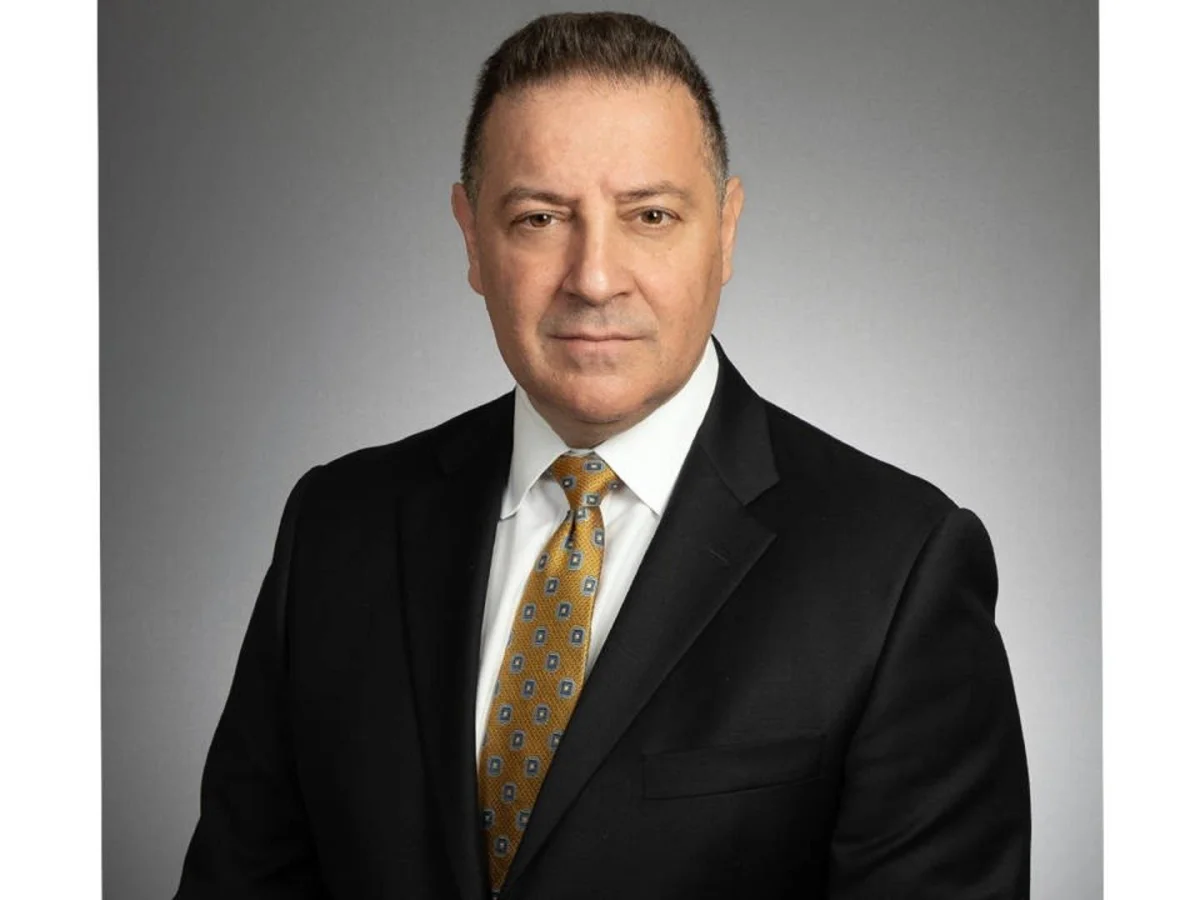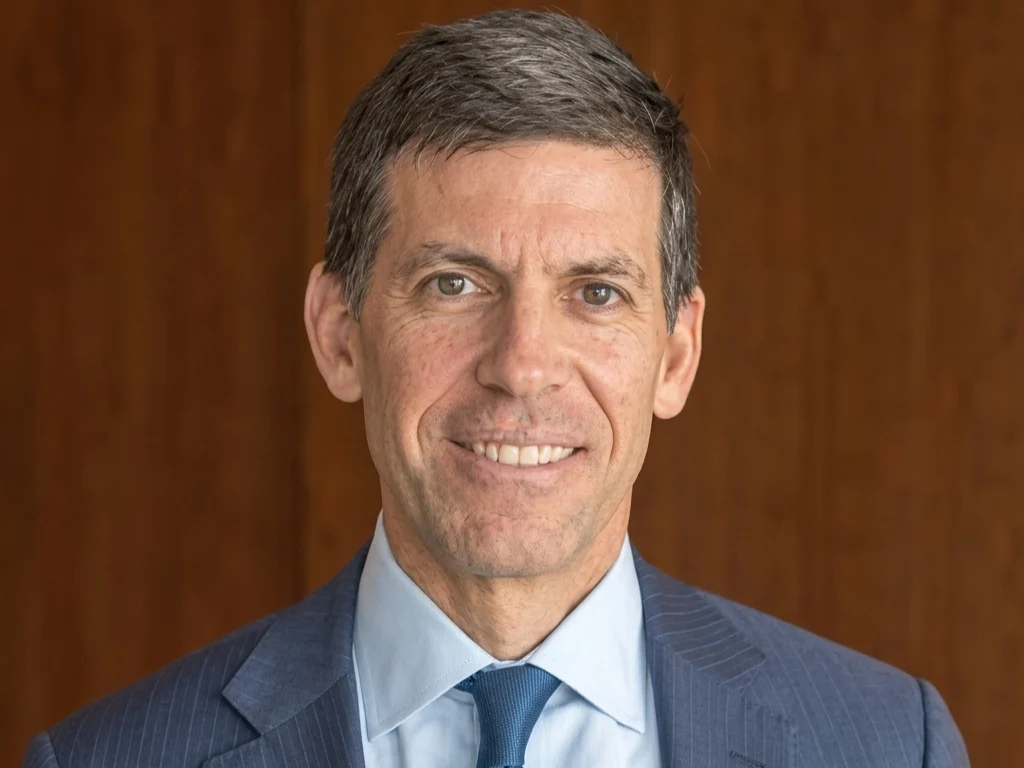
Goldman Sachs President and COO John Waldron is again at the centre of succession discussions surrounding CEO David Solomon, although the bank stresses that no definitive timeline has been established for a leadership transition.
Few succession conversations on Wall Street have been watched as closely — or for as long — as the question of who eventually follows David Solomon at Goldman Sachs.
Once again, attention is centring on John Waldron, Goldman’s President and Chief Operating Officer.
The firm’s board has discussed a potential succession plan under which Waldron could eventually take over as CEO, according to reporting by The Wall Street Journal. Reuters subsequently reported that Goldman has emphasised there is no definitive timeline for Solomon to step down.
That distinction matters.
This is not an announced CEO appointment. But it does bring renewed attention to an executive who has spent years becoming increasingly central to Goldman’s leadership structure.
Why Waldron?
Waldron has been with Goldman Sachs for more than 25 years and currently holds three influential positions: President, Chief Operating Officer and member of the Board of Directors.
Before becoming President and COO in 2018, he served as co-head of Goldman’s Investment Banking Division.
Today, his remit extends across execution priorities, operating efficiency, client engagement and the firm’s broader strategy. He also co-chairs Goldman’s Firmwide Enterprise Risk Committee.
His position within the succession conversation strengthened further in 2025.
Waldron joined Goldman’s board that February and received an $80 million retention award, after having attracted interest from outside firms.
The moves reinforced something that had already been apparent inside and outside the bank: Waldron occupies an unusually prominent position directly below Solomon.
The Question Is Increasingly About Timing
Solomon has led Goldman Sachs since 2018, overseeing a period that included an unsuccessful push into consumer banking followed by a renewed concentration on the firm’s traditional strengths in investment banking, trading and asset and wealth management.
According to the Wall Street Journal, one scenario discussed would see Waldron become CEO in late 2027 or 2028, with Solomon potentially moving into an executive chairman role for a period afterwards. Goldman, however, has explicitly said that no definitive timeline has been set.
For leadership observers, that makes the present moment less about an immediate changing of the guard and more about how major institutions prepare for one.
Succession at a firm such as Goldman affects more than two executives. Any eventual transition could influence responsibilities across the senior leadership team and determine which executives move into the roles immediately below the CEO.
Preparing Without Announcing
Waldron’s trajectory offers an interesting example of long-term succession planning.
He has accumulated experience across dealmaking, client relationships, operations, strategy, risk management and board governance; progressively broadening his responsibilities beyond the investment-banking career on which he initially built his reputation.
Yet Goldman has stopped short of announcing the transition that many observers have anticipated.
That leaves two realities existing simultaneously: Solomon remains Goldman’s CEO with no announced departure date, while Waldron continues to occupy the clearest position in the conversation about what leadership could eventually look like after him.
For now, the succession spotlight is firmly on Waldron.
The actual succession, however, remains a decision for another day.
Sources: Goldman Sachs; Reuters; The Wall Street Journal; Financial Times