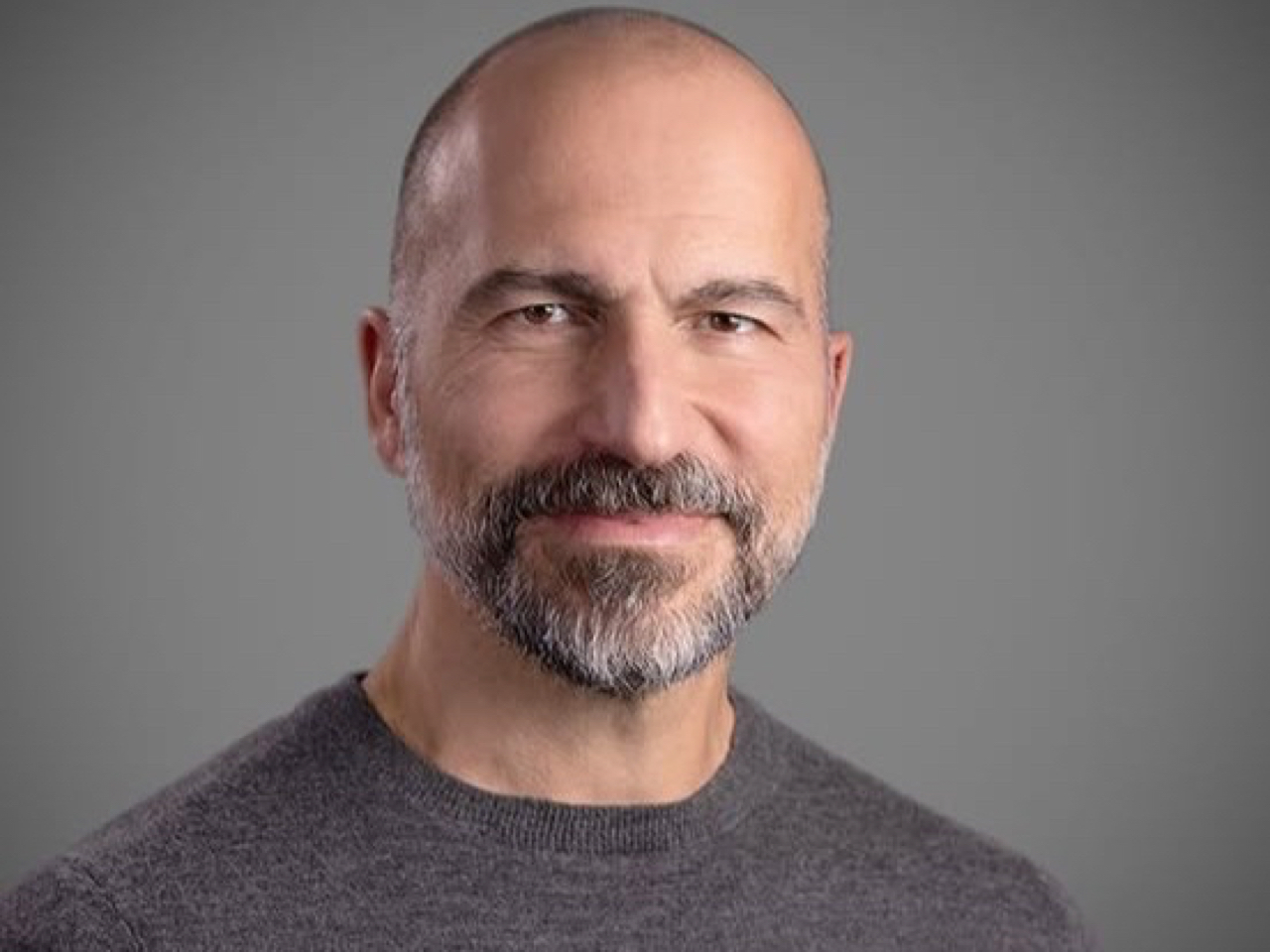
Uber CEO Dara Khosrowshahi is reshaping the company's organisational structure, simplifying management layers and redirecting resources towards strategic growth areas, including its expanding autonomous mobility ambitions.
As Uber looks towards its next phase of growth, CEO Dara Khosrowshahi is reshaping the organisation around a simpler structure, faster decision-making and greater investment in emerging opportunities.
The company is cutting approximately 10% of its workforce, or around 3,300 roles, as part of a broader restructuring intended to simplify management and redirect resources towards areas it considers important for future growth.
Rather than viewing the changes in isolation, the restructuring offers a glimpse into how Khosrowshahi is positioning Uber as the company grows beyond its traditional ride-hailing foundations.
Simplifying a Global Organisation
Uber has expanded considerably across mobility, food delivery and other services. Operating at that scale can also create additional layers of management and coordination.
The latest restructuring is designed to simplify that structure.
By reducing organisational layers and consolidating responsibilities, Uber is seeking to create clearer ownership across teams and enable decisions to move through the business more efficiently.
For Khosrowshahi, the leadership challenge is increasingly about ensuring that the organisation itself can keep pace with Uber’s expanding ambitions.
The changes therefore represent more than a workforce adjustment. They reflect a broader effort to determine where people, capital and management attention can create the greatest long-term value.
Autonomous Mobility Moves Higher on the Agenda
One of the clearest areas of future investment is autonomous transportation.
Uber is separately planning to invest more than $10 billion in autonomous-vehicle technology, underscoring the importance the company places on the emerging sector.
Its strategy is particularly notable because Uber is approaching autonomy differently from its earlier efforts to develop self-driving technology internally. Today, the company is increasingly positioning its platform as a bridge between autonomous-vehicle developers and the large mobility network it has already established.
That could give Uber a distinctive role as autonomous vehicles move further into commercial transportation.
Instead of relying on a single technology provider, the company can work with autonomous-driving partners while contributing the demand, marketplace infrastructure and customer network required to bring those vehicles into everyday mobility.
Redirecting Resources Towards Opportunity
The restructuring consequently comes at an important point in Uber’s development.
Mobility and delivery remain central to the business, but autonomous vehicles could introduce an entirely new dimension to how its platform operates. Preparing for that opportunity requires investment not only in technology, but also in partnerships, infrastructure and commercial deployment.
Khosrowshahi’s organisational changes indicate an effort to create room for those priorities.
Simplifying the company can allow leadership to concentrate resources on areas with stronger strategic relevance while giving individual teams clearer responsibility for execution.
For a global technology company, that balance between scale and agility can become increasingly important as new opportunities emerge.
Khosrowshahi Positions Uber for Its Next Chapter
Khosrowshahi has already overseen a significant evolution at Uber, expanding the business beyond ride-hailing and strengthening its position across delivery and broader mobility services.
Autonomous transportation could represent another important chapter.
The latest restructuring suggests that preparing for it will involve changes not only to Uber’s technology strategy, but also to the way the company itself is organised.
Reducing management complexity, concentrating resources and committing substantial investment towards autonomous mobility all point towards the same leadership priority: building an Uber capable of moving faster as transportation technology evolves.
For Khosrowshahi, the task now is to ensure that a company built at global scale retains the agility required for its next stage of development.
Sources: Uber; Uber Investor Relations; Reuters.