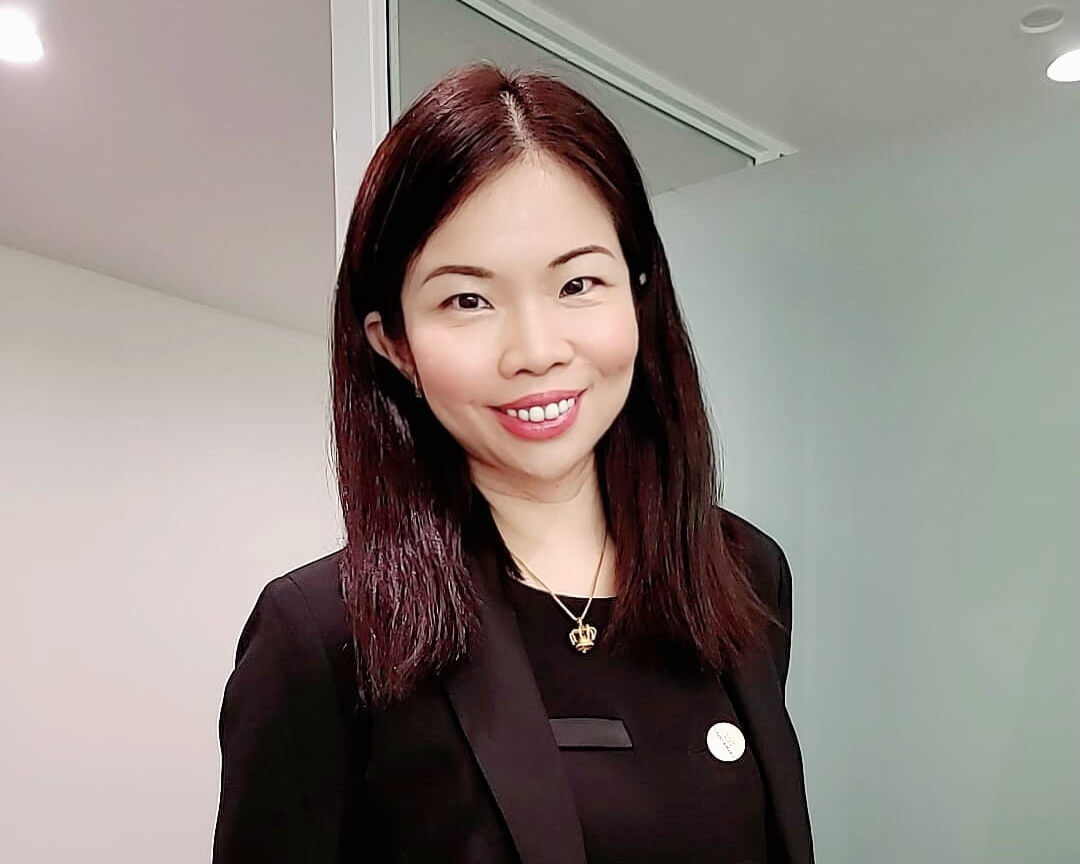
In industries where impact is often unseen, Pauline Loo, Senior Vice President, Human Resource, Nippon Sanso Holdings Singapore, shares how Nippon Sanso helps employees stay connected to purpose, fosters collaboration across regions, and builds a culture grounded in trust and continuous improvement.
Q. What does it take to help employees feel connected to impact in industries that largely operate behind the scenes?
At Nippon Sanso, this question sits at the heart of how Nippon Sanso builds its culture. As Loo shares, “Our work may happen behind the scenes, but we help employees understand the tangible impact they make across industries and communities.”
At Nippon Sanso, everyday tasks are consistently connected to a broader purpose by spotlighting how its industrial gases business supports sectors such as semiconductors, healthcare, renewable energy, and food safety.
Through platforms like the Konnichiwa newsletter and CEO town halls, employees are continually reminded of the deeper significance, the “why,” behind their roles. This connection is further deepened through customer and site exposure, giving employees the opportunity to witness how their contributions support mission-critical operations. Leadership storytelling through C-Suite-led webinars brings this broader impact closer, while purpose-driven recognition highlights how individual and team efforts benefit communities.
“By keeping our principles unified but our execution adaptable, we strengthen our identity as one Nippon Sanso and honor the diverse strengths each country bring,” says Loo.
Q. In a business where safety, precision, and reliability are essential, how do you create space for innovation?
For Nippon Sanso, the answer lies in balance. “Safety, precision, and reliability are non-negotiable, yet long-term excellence also depends on continuous innovation,” Loo shares. This balance comes from integrating strong operational excellence frameworks with an innovative mindset. Well‑defined safety principles and standards, as well as comprehensive safety training create the stability employees need to confidently suggest improvements.
Initiatives such as the Productivity Movement, cross-functional teamwork, and digital transformation projects ensure that continuous improvement becomes part of everyday work. Employees are encouraged to contribute ideas, whether small enhancements or larger breakthroughs, while maintaining operational discipline.
Equally important is the focus on psychological safety. Through the “We Care: Grow Our Managers” webinars, employees are encouraged to speak up, question assumptions, and raise concerns openly. In this kind of environment, discipline becomes an enabler of innovation rather than a constraint.
Q. With operations spread across multiple countries, how do you create a shared culture without losing local identity?
Loo emphasizes that the key lies in alignment, not uniformity. “Building a shared culture is not about standardizing everything. It is more about harmonizing what truly matters while honoring local practices,” she explains. The foundation is a clear identity grounded in purpose, values, and a strong commitment to safety, integrity, and customer focus.
At the same time, flexibility is vital. Each country is empowered to interpret these shared values in ways that resonate locally, ensuring cultural relevance across diverse markets. Cross‑border collaboration, supported by regional talent mobility programs and knowledge‑sharing platforms like the Annual Learning Festival and Learning Management System, allow culture to grow organically through shared experiences.
This approach ensures that while practices may vary, the core principles remain unified, creating one cohesive team across regions.
Q. How do you ensure that values such as being proactive, innovative, and collaborative are not just stated, but experienced daily?
For Nippon Sanso, it all centres on integration. Values are built directly into leadership expectations, operating systems, and performance measures. Leaders visibly embody what it means to be Proactive, Innovative, and Collaborative, by staying ahead of issues, inviting new thinking, and engaging openly with colleagues across functions.
Success is measured by how work is done, not just what is delivered. Employees experience these values in action through cross‑functional collaborations and continuous improvement efforts, making them part of everyday practice.
Q. As industries evolve towards sustainability and digital transformation, how is HR preparing employees for what comes next?
Loo describes HR’s role as both strategic and forward-looking. “We start by identifying future critical capabilities and integrating them into workforce planning and development,” she shares. Leadership and talent programmes focus on building systems thinking and adaptability, equipping employees to navigate change.
Through initiatives such as Flexi Work Design, regional webinars, and the People Connect Learning Management System, employees gain exposure to areas like automation, data analytics, and sustainable practices. At the same time, HR actively fosters a growth mindset, encouraging employees to learn, experiment, and adapt with confidence. This shift reflects a broader evolution in HR itself.
Our work may be behind the scenes, but the impact it creates across industries and communities is very real.
Q. Can HR move from being a support function to a strategic partner?
At Nippon Sanso, that transition is already underway. “HR has evolved from a traditional administrative function into a strategic partner shaping business direction,” Loo explains. A unified regional talent management framework now enables the Nippon Sanso to identify and develop high-potential leaders early, while deploying talent across markets to support growth.
Capability-building programmes are closely aligned with business priorities, ensuring that leadership development contributes directly to organisational success. Alongside this, initiatives such as job redesign and structured talent and leadership development programmes continue to strengthen workforce readiness across the region.
Q. And finally, what would someone notice on their first day at Nippon Sanso?
According to Loo, it is the sense of connection. “New employees quickly see how deeply we prioritise safety, teamwork, and mutual support,” she says. Collaboration is visible across teams, with colleagues readily sharing knowledge and offering support.
At the same time, a culture of continuous improvement encourages employees to contribute ideas and challenge assumptions. Leaders remain approachable, feedback is valued, and there is a shared sense of pride in Nippon Sanso.
In the end, what stands out is not just what Nippon Sanso does, but how its people experience it. As part of something larger, meaningful, and deeply connected.