When an institution faces an unprecedented crisis, conventional leadership often searches for conventional solutions. The German Football Association (DFB), however, chose a bolder path following Die Mannschaft’s historic round-of-32 exit to Paraguay at the 2026 FIFA World Cup. In securing Jürgen Klopp as head coach through 2030, the DFB not only landed world football’s most coveted free agent but also provided the corporate world with a real-time case study in decisive negotiation, strategic patience, and the value of a career pivot.
For modern executives navigating their own high-pressure environments, Klopp’s appointment yields several critical leadership lessons:
THE POWER OF THE STRATEGIC PAUSE
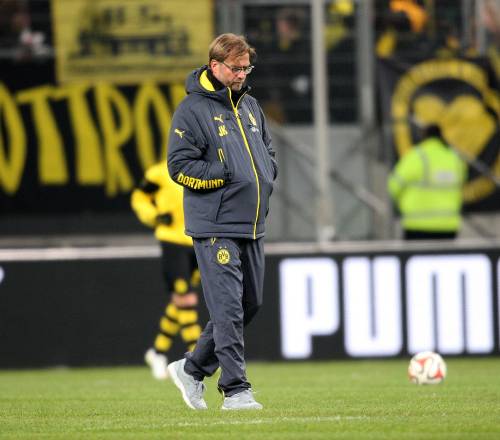
In 2024, citing that he was “running out of energy,” Klopp stepped away from a highly successful nine-year tenure at Liverpool. Rather than immediately jumping into another high-stress managerial role, he transitioned into an executive position as Head of Global Soccer for the Red Bull Group.
This move from the touchline to the boardroom provided him with a fresh vantage point and the necessary time to recover. Today, as he prepares to take the Germany job, Klopp noted he feels “more than recharged.” The takeaway for leaders is profound: stepping back is not stepping down. A strategic pause or a lateral industry move can prevent burnout and prepare you for an even greater challenge.
NEGOTIATING WITH FORESIGHT
Klopp’s transition back to coaching was not a matter of luck; it was a matter of design. When he negotiated his executive contract with Red Bull, he insisted on a highly specific release clause that could only be triggered by the Germany national team position. He understood his ultimate career aspirations and contractually protected his path toward them. Leaders navigating complex career trajectories must similarly engineer their commitments with a clear eye on their ultimate “North Star.”
DECISIVE ACTION IN THE WAKE OF FAILURE
The DFB’s response to an organizational disaster is a textbook example of agile crisis management. Following Germany’s shock World Cup exit and Julian Nagelsmann’s subsequent resignation, the federation did not wallow in a prolonged, public search process. DFB President Bernd Neuendorf and Vice-President Hans-Joachim Watzke immediately flew to New York to hold in-depth discussions with Klopp, successfully negotiating the key terms of his contract over a single weekend. They turned a moment of national sporting embarrassment into a massive strategic victory in a matter of days.
Looking toward the 2030 World Cup, which will be co-hosted by Morocco, Spain, and Portugal, Klopp faces the monumental task of rebuilding one of international football’s most storied institutions. He now has a full four-year cycle to implement a cultural and tactical turnaround. But as his recent career moves prove, success often belongs to those who know exactly when to rest, when to plan, and when to return.
Sources: DFB Official Communications, Sky Sports Germany